




who invented tin cans
author: Chen
2025-06-16

Who Invented Tin Cans? Unveiling the History Behind a Revolutionary Invention
Have you ever opened a tin can of coffee beans, tea, or your favorite candy and wondered about its origin? Tin cans, those ubiquitous metal containers that line grocery store shelves, have a fascinating history that dates back centuries. In this blog post, we'll explore the story of who invented tin cans and how this revolutionary invention transformed the way we store and preserve food.



The Need for Food Preservation
Before the invention of tin cans, food preservation was a significant challenge. Fresh produce spoiled quickly, and preserving food for long journeys or during times of scarcity was a constant struggle. Traditional methods such as drying, smoking, and pickling were used, but they had limitations. There was a pressing need for a more reliable and efficient way to preserve food for extended periods.
The Birth of the Tin Can
The credit for inventing the tin can goes to a Frenchman named Nicolas Appert. In the late 18th century, Appert, a confectioner and chef, began experimenting with ways to preserve food. He discovered that by sealing food in glass jars and heating them, he could prevent spoilage. His method, known as appertization, was a significant breakthrough in food preservation.
However, glass jars were fragile and not suitable for long-distance transportation. This led to the search for a more durable container. In 1810, Peter Durand, a British merchant, obtained a patent for a new method of food preservation using tin-coated iron cans. Durand's invention was based on Appert's principles but used a more robust and portable container.
The Evolution of Tin Cans
The early tin cans were heavy, difficult to open, and required specialized tools. They were also expensive to produce, which limited their widespread use. However, over time, advancements in manufacturing technology made tin cans more affordable and easier to use.
In 1858, Ezra Warner patented the first can opener, which made it easier to access the contents of tin cans. This innovation further popularized the use of tin cans for food storage and preservation.
The Advantages of Tin Cans
Tin cans offer several advantages over other food storage methods. Here are some of the key benefits:
Long Shelf Life
One of the primary advantages of tin cans is their long shelf life. The airtight seal of tin cans prevents the growth of bacteria, mold, and other microorganisms, ensuring that the food inside remains fresh and safe to eat for an extended period. This makes tin cans ideal for storing food for emergencies, camping trips, or long journeys.
Protection from External Factors
Tin cans provide excellent protection from external factors such as light, oxygen, and moisture. These factors can cause food to spoil, lose its nutritional value, or change its flavor. By shielding the food from these elements, tin cans help maintain its quality and freshness.
Durability and Portability
Tin cans are durable and can withstand rough handling, making them suitable for transportation and storage. They are also lightweight and easy to carry, which is convenient for outdoor activities or when traveling.
Versatility
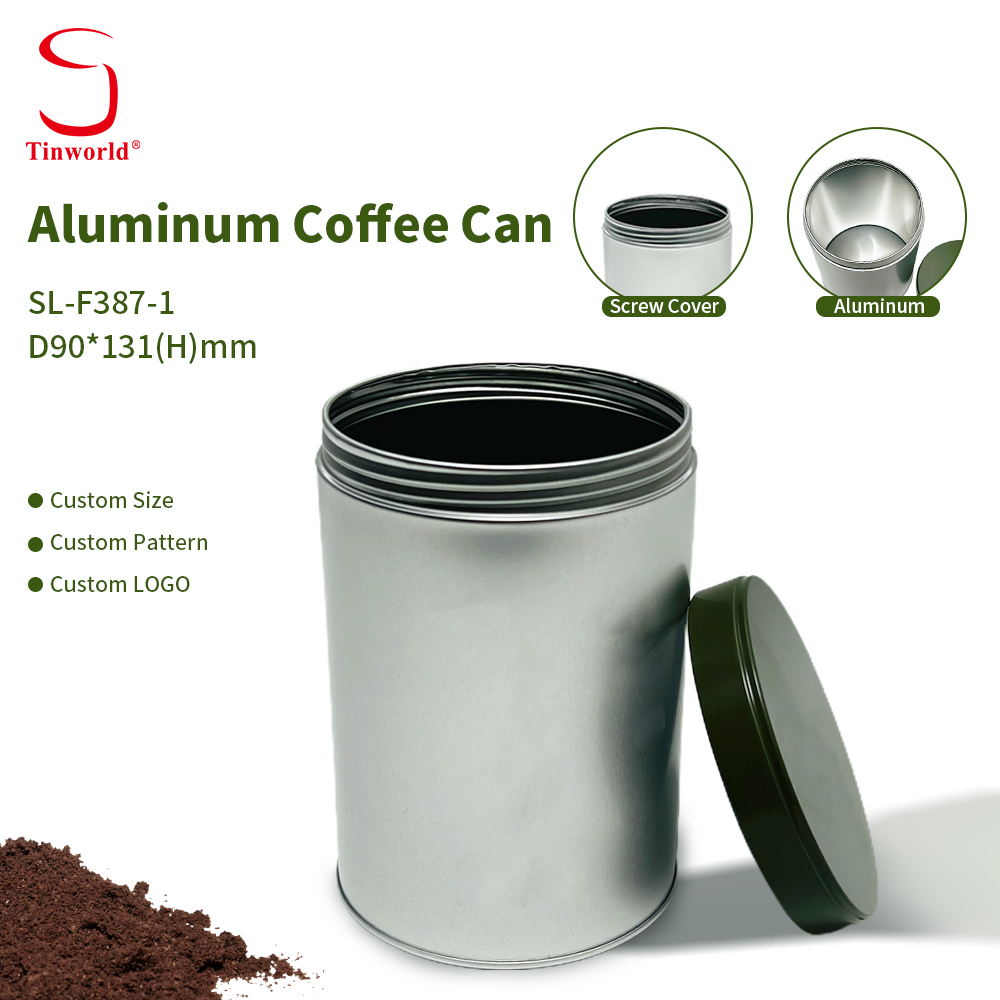
Tin cans can be used to store a wide variety of food products, including tea, coffee, candy, nuts and so on. They are also commonly used for storing non-food items such as paint, chemicals, and household products.
Conclusion
The invention of tin cans was a significant milestone in the history of food preservation. From Nicolas Appert's experiments with glass jars to Peter Durand's innovation of tin-coated iron cans, the evolution of tin cans has transformed the way we store and consume food. Today, tin cans are an essential part of our daily lives, providing a convenient, reliable, and sustainable way to preserve food. So, the next time you reach for a tin can, take a moment to appreciate the fascinating history behind this revolutionary invention.
what is metal tin
Where can i buy tin cans
Related Article
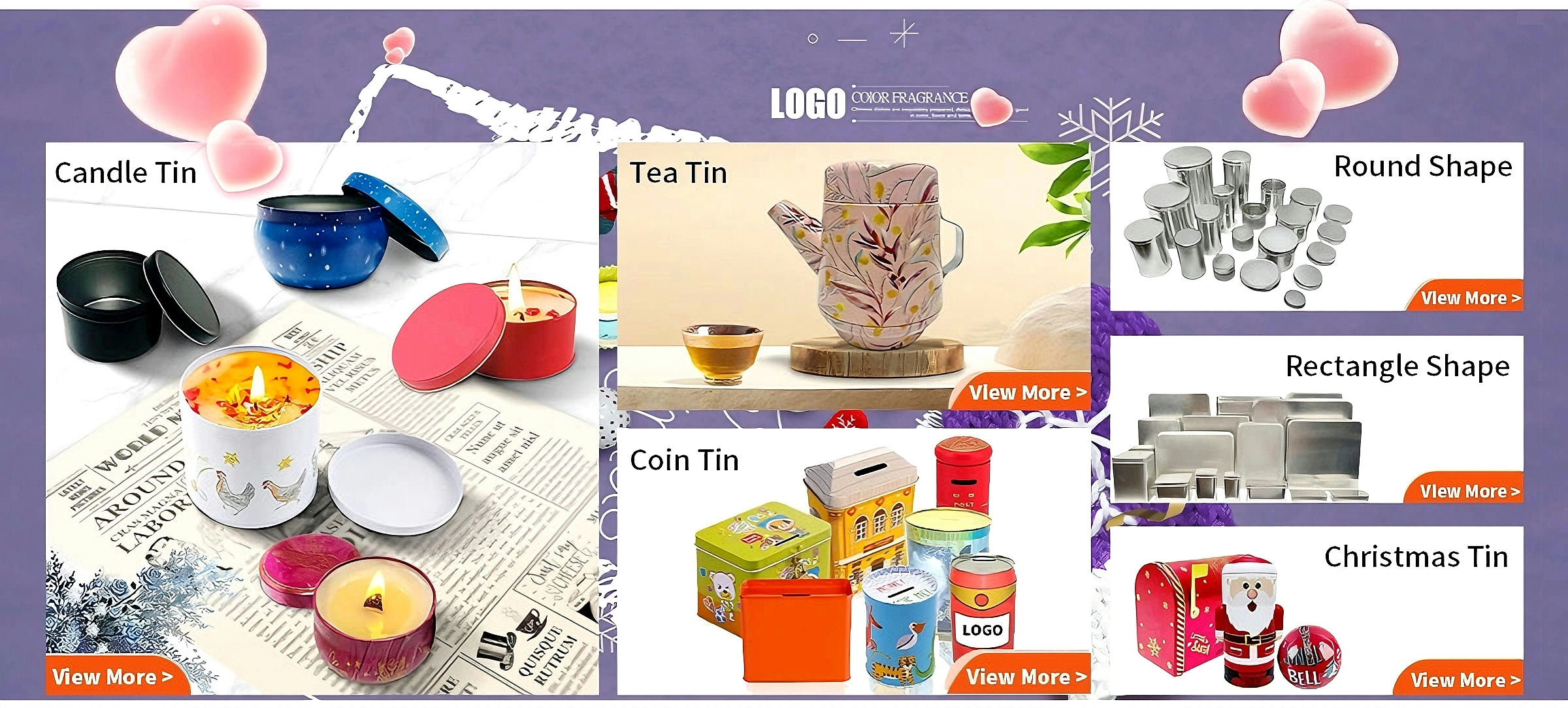
Tin metal is a popular choice for storage containers, decorative pieces, and vintage collectibles—think tin boxes for cookies, metal tins for candles. While tin is durable and resistant to rust, it can still accumulate dirt, tarnish. The good news is cleaning and your beloved tin boxes/metal tins is simple with gentle supplies you likely already have at home. Below is a clear, step-by-step guide to restore your tin items to their shiny best.
how to clean tin metal

In a world where we grab canned cookie, beans, and candy from supermarket shelves without a second thought, it’s easy to take the convenience of tin cans for granted. But have you ever wondered when this revolutionary food preservation method first began? Let’s dive into the history of tin cans and explore how they transformed the way we store and consume food.
when was food put into tin cans
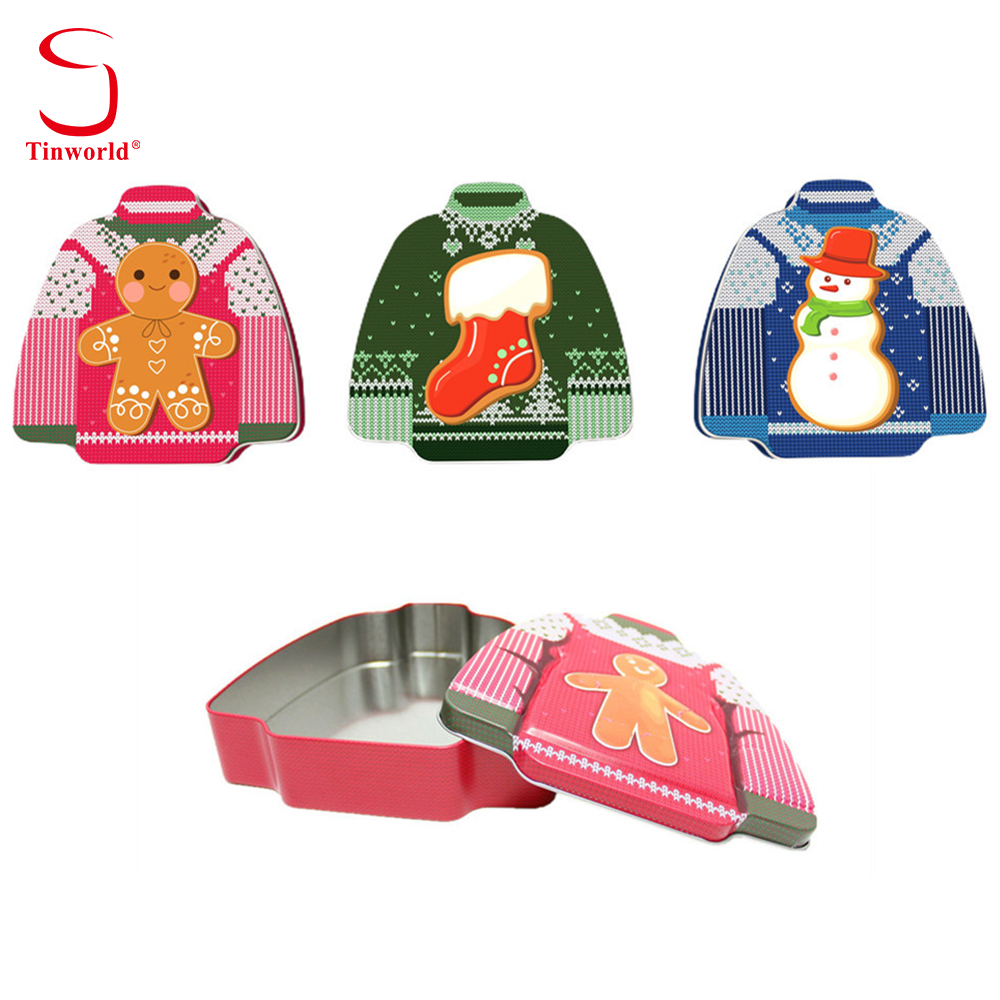
Whether you’re gifting homemade cookies for a holiday, birthday, or just to spread some joy, a beautifully wrapped cookie tin adds a special touch to your thoughtful gesture. In this guide, we’ll walk you through everything you need to know to achieve a polished, professional look.
how to wrap a cookie tin
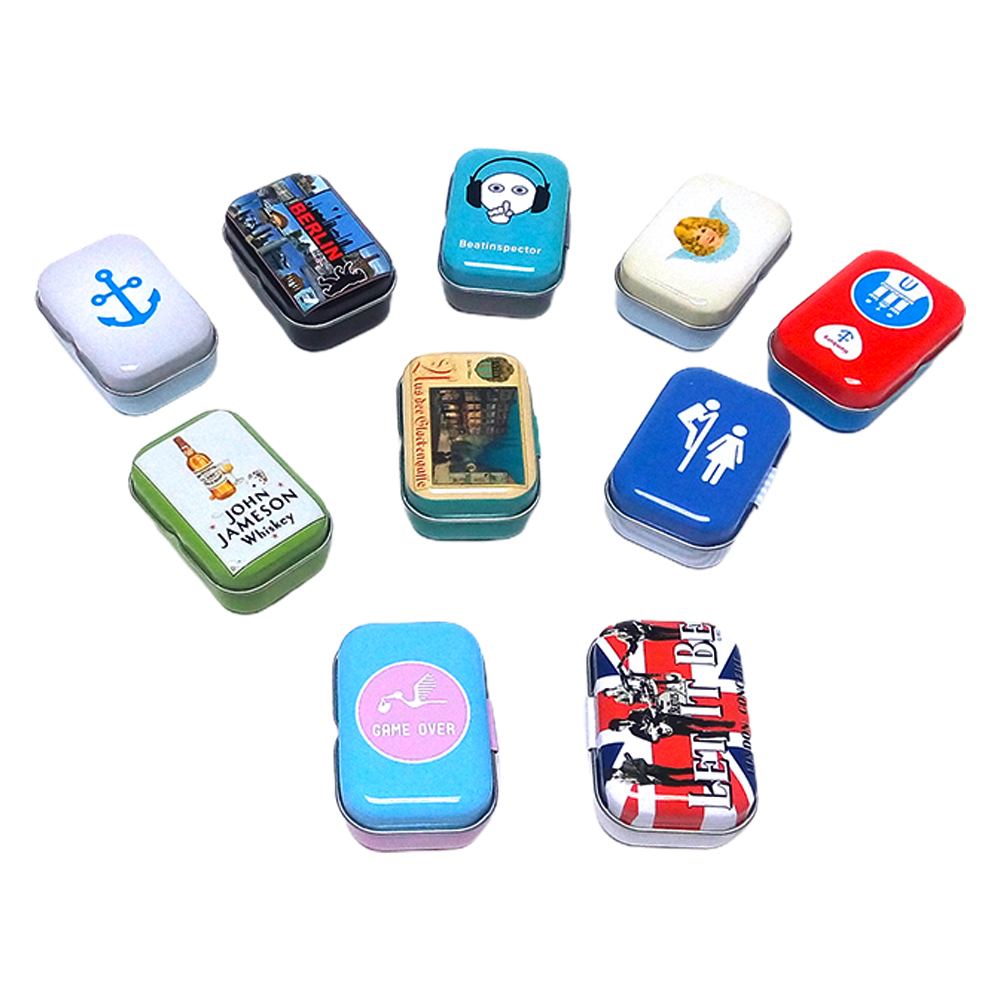
In our daily lives, tin cans are ubiquitous—holding everything from canned coffee bean and tea, and even some food. As environmental awareness grows, many of us wonder: is this common packaging material recyclable? The short answer is yes, tin cans are highly recyclable, and their recycling process offers significant environmental and practical benefits. Let’s dive deeper into the world of tin can recycling, exploring why it matters, how it works, and the advantages of this versatile packaging.
is tin can recyclable