





how to clean tin metal
author: Chen
2026-01-20
How to Clean Tin Metal: A Step-by-Step Guide for Tin Boxes & Metal Tins
Tin metal is a popular choice for storage containers, decorative pieces, and vintage collectibles—think tin boxes for cookies, metal tins for candles, or antique tin canisters. While tin is durable and resistant to rust (unlike iron or steel), it can still accumulate dirt, tarnish, fingerprints, or even food residue over time. The good news is cleaning tin metal (and your beloved tin boxes/metal tins) is simple with gentle supplies you likely already have at home. Below is a clear, step-by-step guide to restore your tin items to their shiny best, plus tips to keep them in top shape.
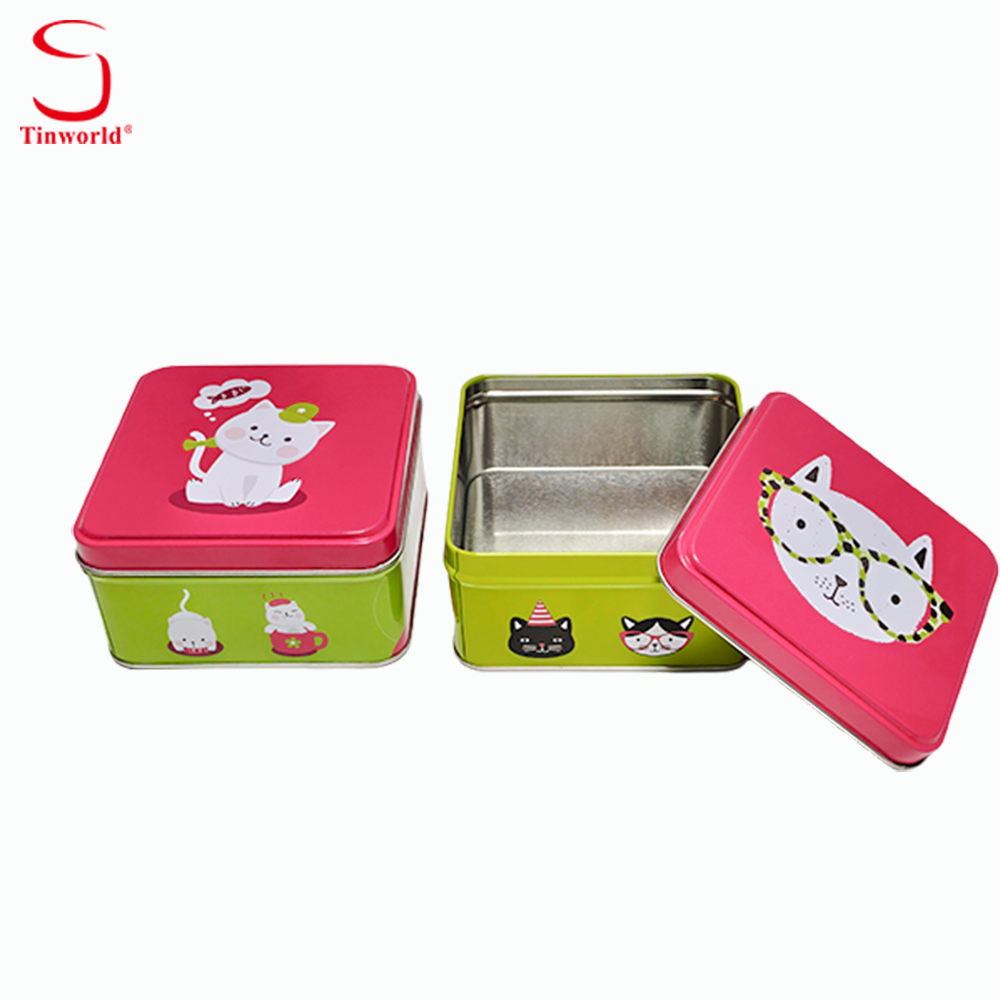
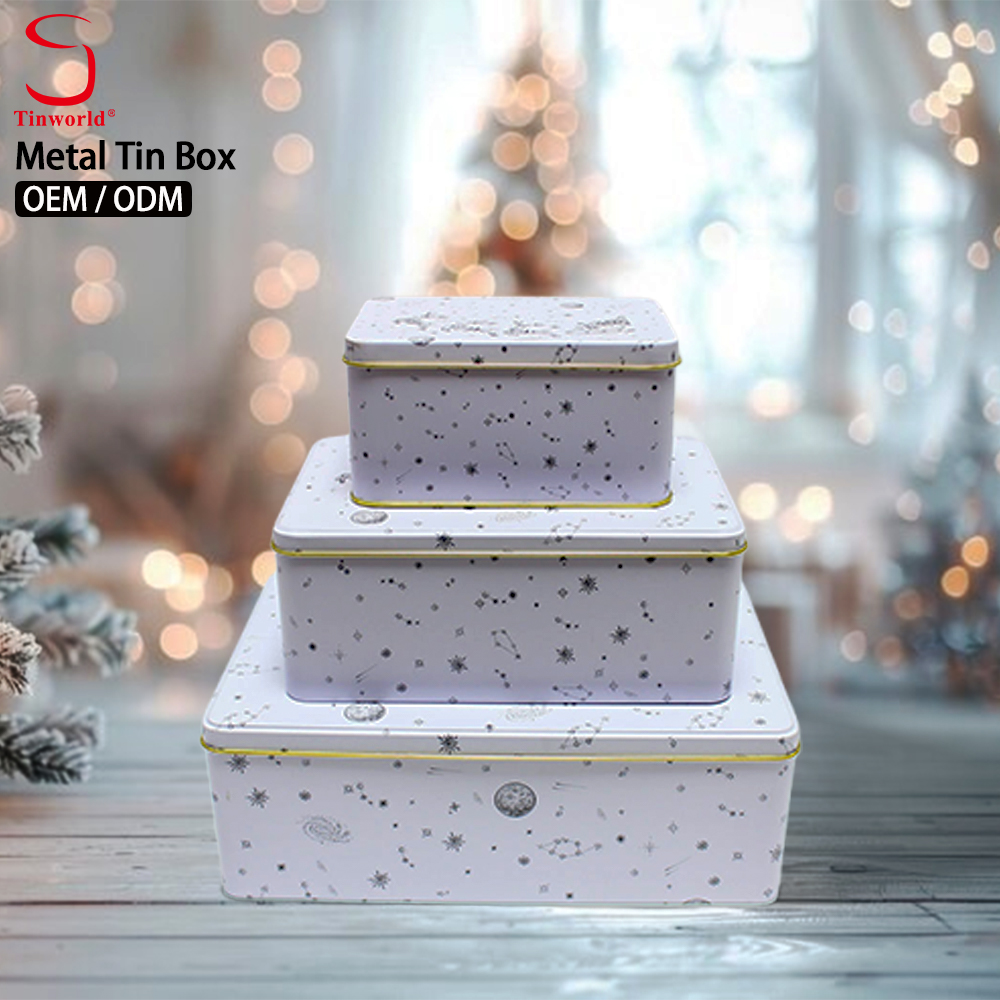
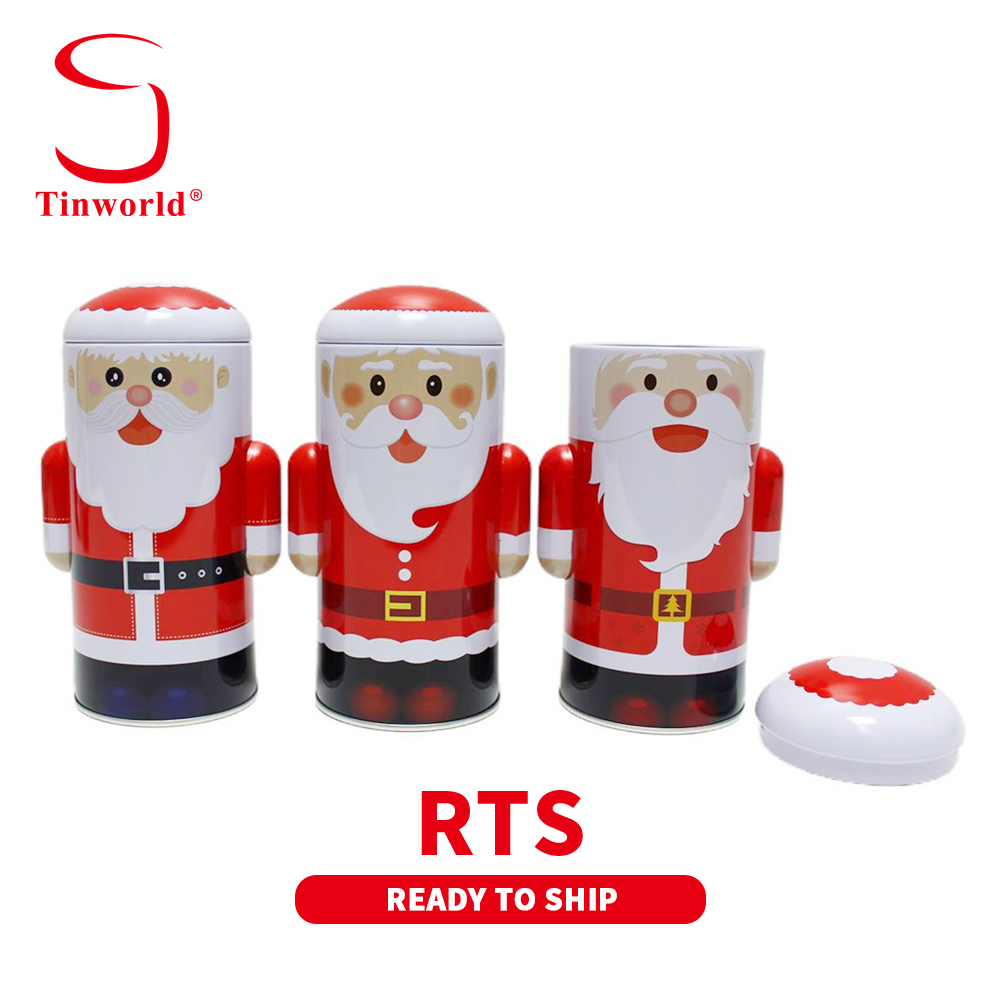

1. Gather Your Supplies (Gentle Is Key)
Tin is a soft metal, so harsh abrasives (like steel wool or scouring pads) or strong chemicals (bleach, ammonia, or heavy-duty cleaners) can scratch, discolor, or damage the surface—especially for decorative tin boxes or vintage metal tins. Stick to these mild, safe supplies:
-
Warm water
-
Mild dish soap (free of harsh detergents or fragrances)
-
Soft microfiber cloth or cotton rag
-
Soft-bristled brush (toothbrush works for small crevices in tin boxes)
-
White vinegar (for tarnish or tough stains)
-
Baking soda (for gentle scrubbing, use sparingly)
-
Dry towel or paper towels
-
Food-grade mineral oil (for conditioning after cleaning, optional)
2. Step-by-Step Cleaning Process for Tin Boxes & Metal Tins
Follow these steps to clean different types of tin items, from everyday storage tin boxes to delicate metal tins.
Step 1: Empty and Dust the Tin Item
First, remove all contents from your tin box or metal tin. Use a dry microfiber cloth or a soft brush to wipe away loose dust, crumbs, or debris—pay special attention to corners, hinges (if your tin box has them), and decorative crevices where dirt likes to hide. This prevents rubbing dirt into the tin surface during wet cleaning, which could cause scratches.
Step 2: Wash with Mild Soap and Warm Water
Fill a basin with warm (not hot) water and add a small amount of mild dish soap. Stir until suds form. Dip your soft cloth into the soapy water, wring out excess moisture (you don’t want the tin to sit in water for too long), and gently wipe the entire surface of the tin box or metal tin. For stubborn food residue (e.g., in a cookie tin) or grime in tight spots, use a soft-bristled toothbrush to scrub gently—avoid pressing too hard.
Rinse the cloth thoroughly and wipe the tin again with clean water to remove soap residue. Soap left behind can leave a cloudy film on the tin.
Step 3: Tackle Tarnish or Tough Stains
If your tin metal has developed a dull tarnish or has tough stains (like water spots or rust spots—yes, tin can develop surface rust if exposed to moisture), use one of these gentle solutions:
-
Vinegar Solution: Mix equal parts white vinegar and warm water. Dip a cloth in the solution and rub the tarnished area gently. Let it sit for 5-10 minutes (don’t leave it on too long, as vinegar is acidic), then wipe clean with a damp cloth.
-
Baking Soda Paste: For slightly more stubborn stains, make a paste with baking soda and a small amount of water (until it forms a thick consistency). Apply the paste to the stain with a cloth and rub gently in circular motions. Rinse immediately with clean water to avoid scratching.
Step 4: Dry Thoroughly
Tin can absorb moisture if left wet, which can lead to tarnish or surface damage over time. Use a dry towel or paper towels to wipe the tin box or metal tin completely—pay extra attention to seams, edges, and any areas where water might pool. For best results, let the tin air-dry in a well-ventilated area for 10-15 minutes before using or storing.
3. Post-Cleaning Care & Maintenance Tips
To keep your tin boxes and metal tins looking their best for years, follow these simple maintenance tips:
-
Condition with Mineral Oil: After cleaning and drying, apply a tiny amount of food-grade mineral oil to a soft cloth and rub it lightly over the tin surface. This adds a protective layer, prevents tarnish, and restores shine—perfect for vintage tin boxes or decorative metal tins.
-
Avoid Moisture: Store tin items in a dry, cool place. Don’t leave tin boxes in humid areas (like bathrooms) or near water sources. If using a tin box for food, make sure the food is completely dry before storing to prevent moisture buildup.
-
Handle with Clean Hands: Fingerprints can leave oils on tin, which attract dirt and tarnish. Wash your hands before handling valuable tin items, or use gloves if cleaning vintage pieces.
-
Clean Regularly: A quick wipe with a dry cloth every few weeks can prevent dirt and tarnish from building up, making deep cleaning less frequent.
Final Notes
Whether you’re cleaning a cherished family cookie tin, a vintage metal tin collection, or everyday storage tin boxes, the key is to be gentle. Harsh products will ruin the tin’s finish, but with mild soap, vinegar, and a little elbow grease, you can keep your tin metal items looking shiny and new. With proper care, your tin boxes and metal tins can last for generations!
when was food put into tin cans
Related Article

In a world where we grab canned cookie, beans, and candy from supermarket shelves without a second thought, it’s easy to take the convenience of tin cans for granted. But have you ever wondered when this revolutionary food preservation method first began? Let’s dive into the history of tin cans and explore how they transformed the way we store and consume food.
when was food put into tin cans
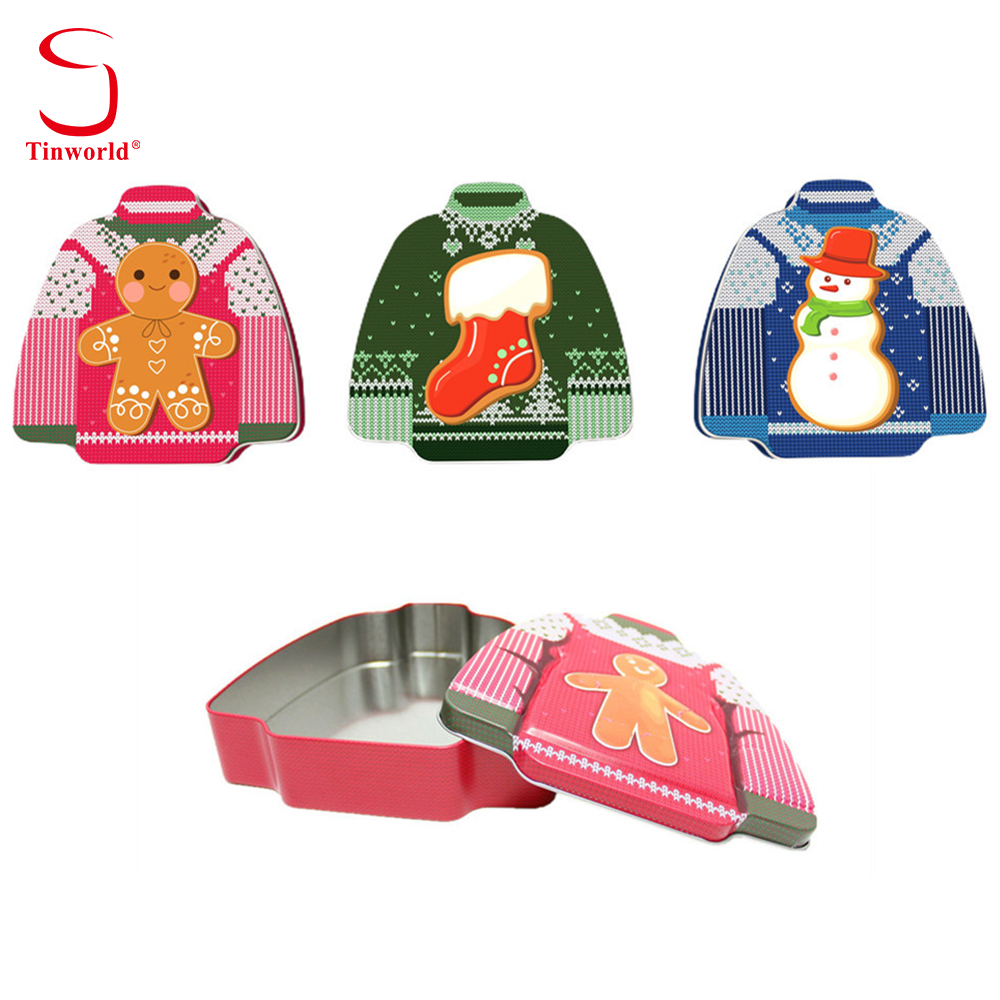
Whether you’re gifting homemade cookies for a holiday, birthday, or just to spread some joy, a beautifully wrapped cookie tin adds a special touch to your thoughtful gesture. In this guide, we’ll walk you through everything you need to know to achieve a polished, professional look.
how to wrap a cookie tin
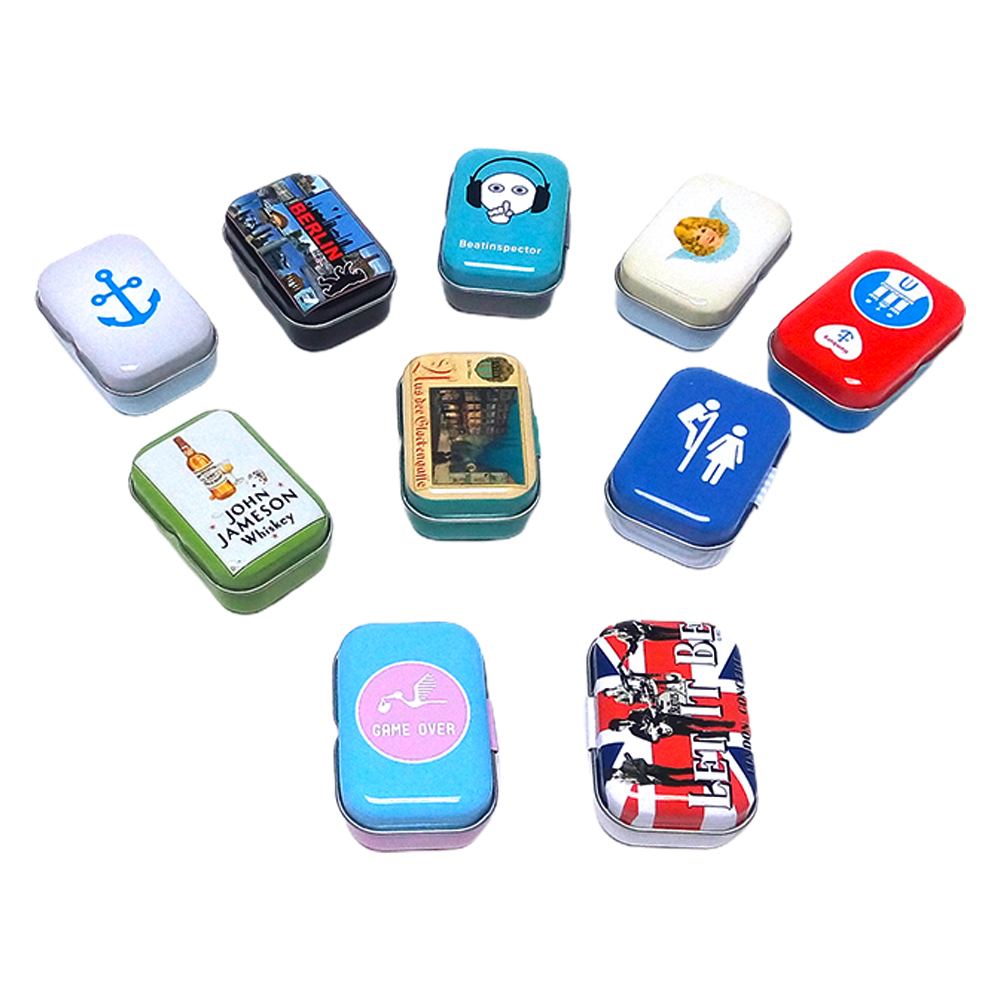
In our daily lives, tin cans are ubiquitous—holding everything from canned coffee bean and tea, and even some food. As environmental awareness grows, many of us wonder: is this common packaging material recyclable? The short answer is yes, tin cans are highly recyclable, and their recycling process offers significant environmental and practical benefits. Let’s dive deeper into the world of tin can recycling, exploring why it matters, how it works, and the advantages of this versatile packaging.
is tin can recyclable
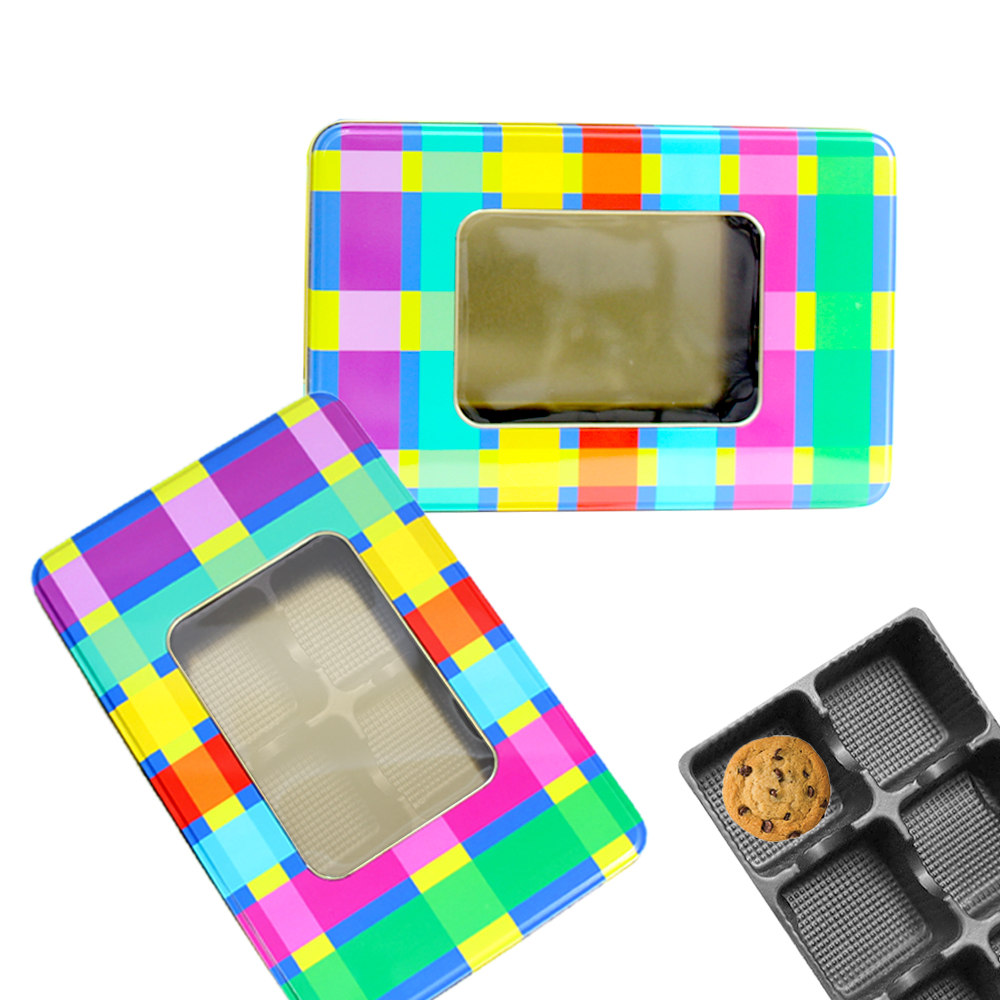
If you’ve ever baked a batch of cookies and wondered how to make them last beyond a day or two, you’ve probably considered storing them in a cookie tin. Those shiny, decorative containers are a staple in many kitchens, but do they actually live up to their reputation for keeping cookies fresh? Let’s dive into the science and practicality of using tin cans for cookie storage.
do cookie tins keep cookies fresh