




when was food put into tin cans
author: Chen
2025-08-18

When Was Food First Put Into Tin Cans? A Journey Through Preservation History


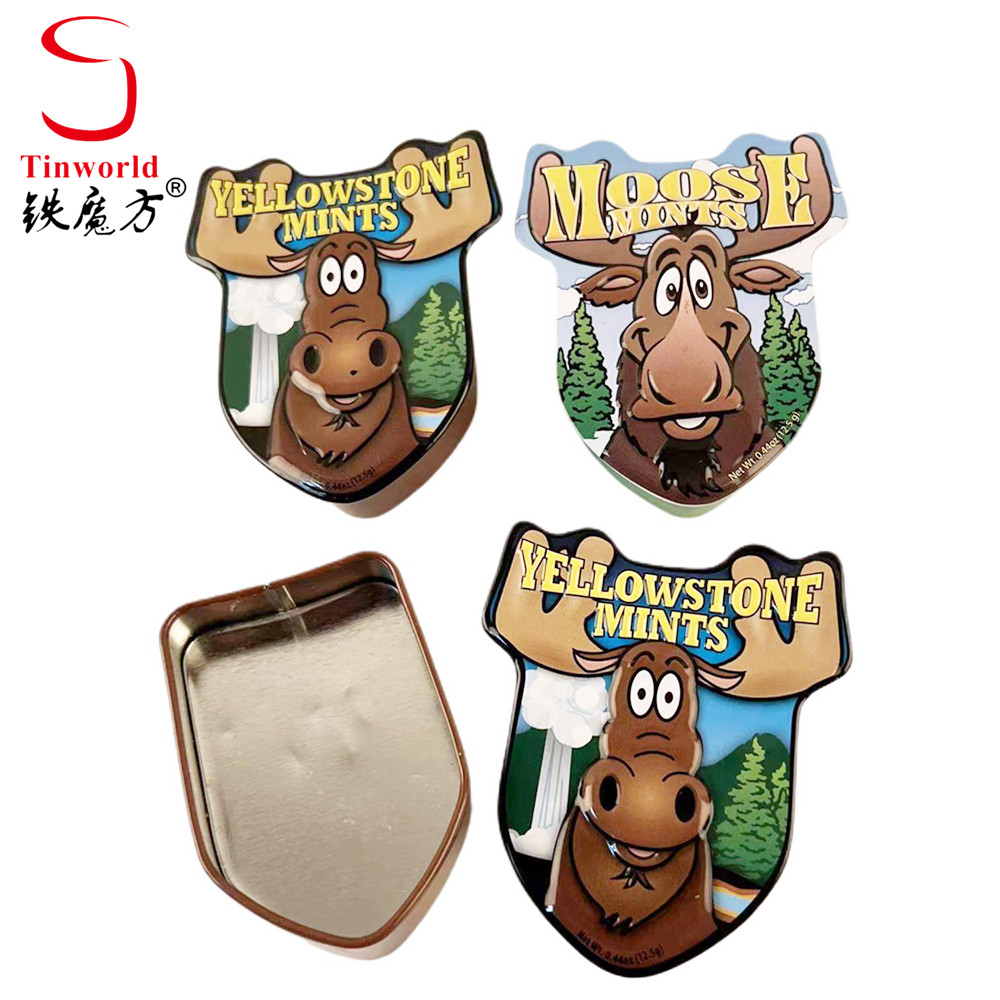

In a world where we grab canned cookie, beans, and candy from supermarket shelves without a second thought, it’s easy to take the convenience of tin cans for granted. But have you ever wondered when this revolutionary food preservation method first began? Let’s dive into the history of tin cans and explore how they transformed the way we store and consume food.
The Birth of the Tin Can: A Response to a Military Need
The story of food in tin cans starts in the early 19th century, driven by a critical challenge: how to feed soldiers and sailors on long expeditions without food spoiling. In 1795, Napoleon Bonaparte’s French government offered a cash prize to anyone who could develop a practical method for preserving food. This incentive sparked a wave of innovation, and it was two French inventors who would make the breakthrough.
Nicolas Appert: The "Father of Canning"
Nicolas Appert, a confectioner and chef, spent over a decade experimenting with food preservation. He discovered that sealing food in glass jars and heating them thoroughly could keep the contents fresh for months. In 1809, he won Napoleon’s prize for his method, which became known as “appertisation.” While Appert used glass jars, his work laid the foundation for modern canning.
Peter Durand: The Tin Can Innovator
Just a year later, in 1810, an English merchant named Peter Durand patented a new variation of Appert’s idea. Instead of glass jars, Durand proposed using tin-plated iron cans to store food. This was a game-changer: tin-plated cans were lighter, more durable, and less likely to break than glass, making them ideal for transportation—especially for the military and naval voyages. Durand’s patent marked the official birth of the tin can as we know it.
Early Days: From Experiment to Everyday Use
While Durand’s patent was filed in 1810, it took some time for tin cans to become widely used. The first commercial production of canned food began in England in 1812, with factories producing canned meats, vegetables, and soups. These early tin cans were heavy and required a hammer and chisel to open—a far cry from today’s easy-to-open designs!
By the mid-19th century, tin cans had become a staple in households, military rations, and even on long-distance journeys like polar expeditions. In 1858, Ezra J. Warner invented the first can opener, making tin cans more accessible to the general public. This invention, combined with improvements in canning technology, helped tin cans gain popularity across Europe and North America.
The Advantages of Tin Cans: Why They Changed Food Preservation
Tin cans revolutionized food preservation for several key reasons:
- Long Shelf Life: Tin cans seal food tightly, preventing air and bacteria from entering. This allows food to stay fresh for months or even years, reducing waste and ensuring a reliable food supply.
- Durability: Unlike glass jars, tin cans are less likely to break during transportation, making them ideal for shipping food across long distances.
- Nutrient Retention: The canning process locks in nutrients, ensuring that canned food remains a nutritious option even after long storage.
- Convenience: Tin cans are easy to store and require no refrigeration until opened, making them a convenient choice for camping, emergencies, or everyday meals.
Conclusion: A Timeless Invention
From their humble beginnings in the early 19th century to their place in modern kitchens, tin cans have stood the test of time. What started as a solution to feed soldiers has become an essential part of our daily lives, offering convenience, durability, and a reliable way to preserve food. The next time you open a can of soup or vegetables, take a moment to appreciate the innovation and history behind this simple yet revolutionary invention!
how to clean tin metal
how to wrap a cookie tin
Related Article
Tin metal is a popular choice for storage containers, decorative pieces, and vintage collectibles—think tin boxes for cookies, metal tins for candles. While tin is durable and resistant to rust, it can still accumulate dirt, tarnish. The good news is cleaning and your beloved tin boxes/metal tins is simple with gentle supplies you likely already have at home. Below is a clear, step-by-step guide to restore your tin items to their shiny best.
how to clean tin metal
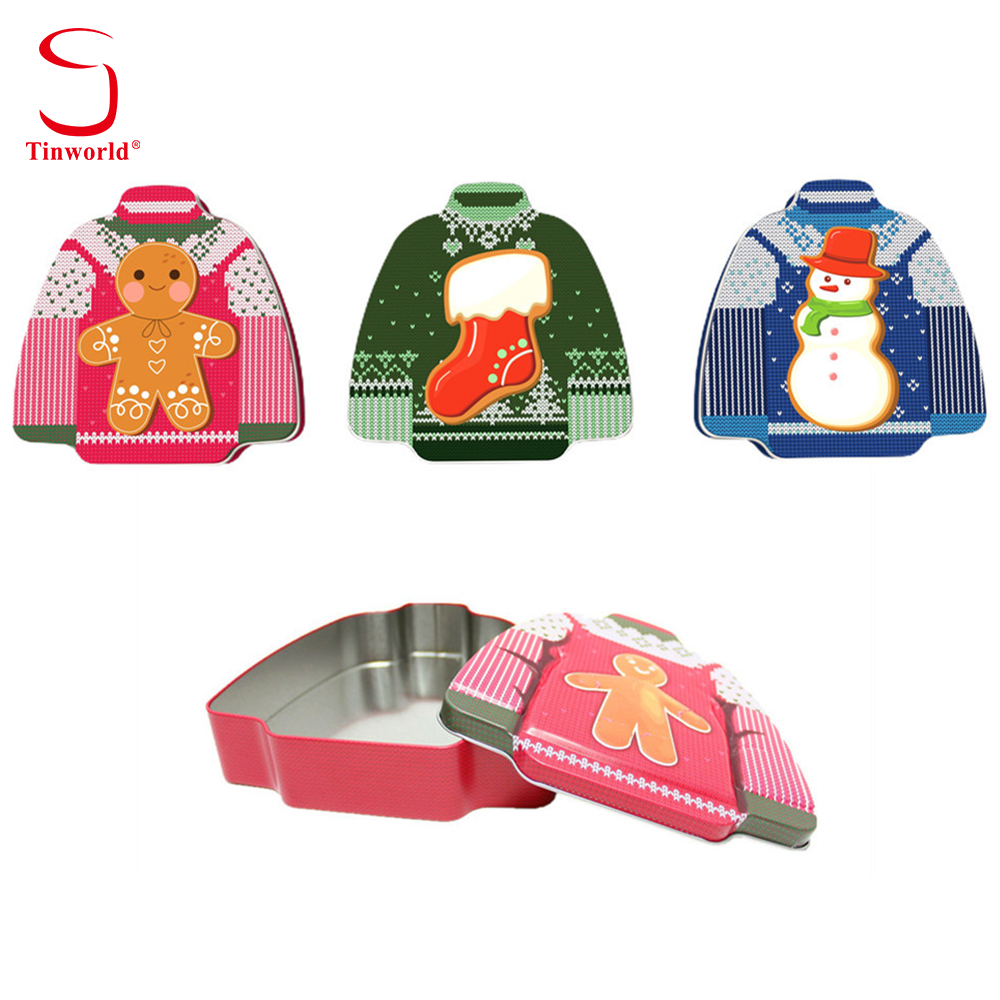
Whether you’re gifting homemade cookies for a holiday, birthday, or just to spread some joy, a beautifully wrapped cookie tin adds a special touch to your thoughtful gesture. In this guide, we’ll walk you through everything you need to know to achieve a polished, professional look.
how to wrap a cookie tin
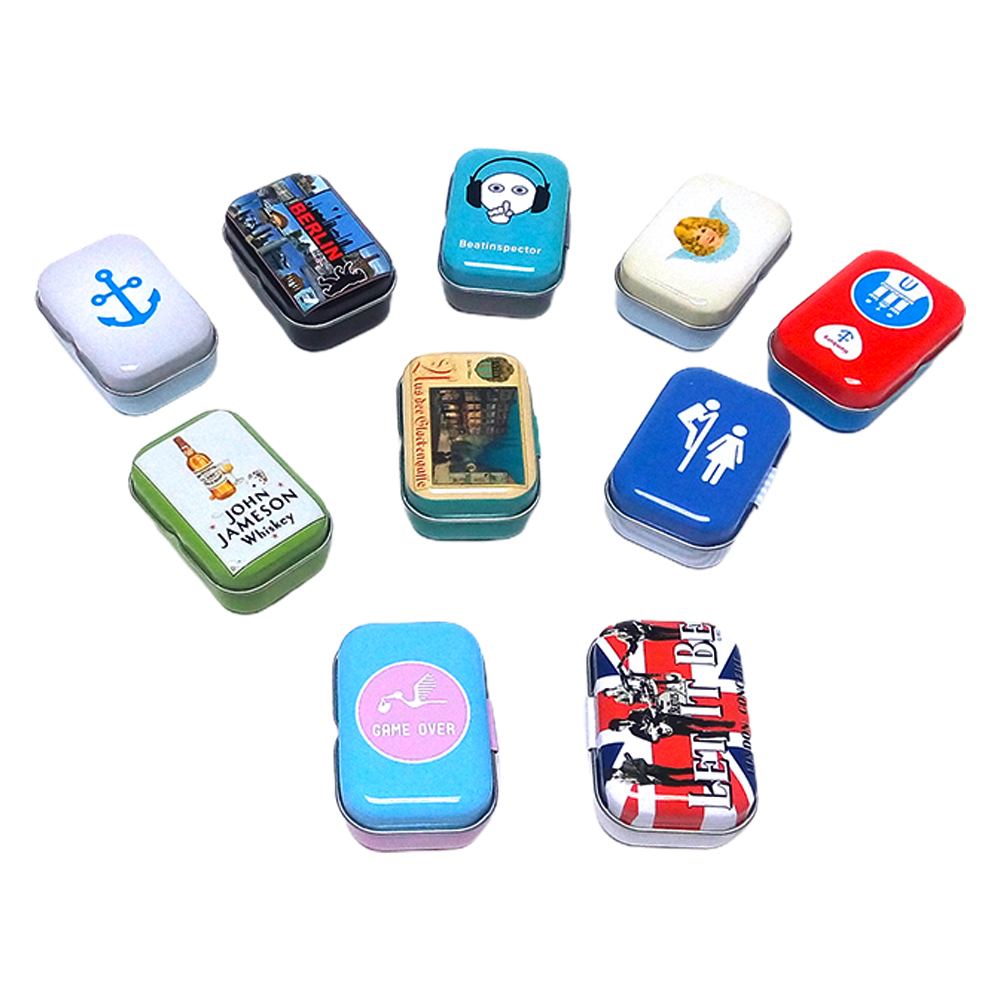
In our daily lives, tin cans are ubiquitous—holding everything from canned coffee bean and tea, and even some food. As environmental awareness grows, many of us wonder: is this common packaging material recyclable? The short answer is yes, tin cans are highly recyclable, and their recycling process offers significant environmental and practical benefits. Let’s dive deeper into the world of tin can recycling, exploring why it matters, how it works, and the advantages of this versatile packaging.
is tin can recyclable
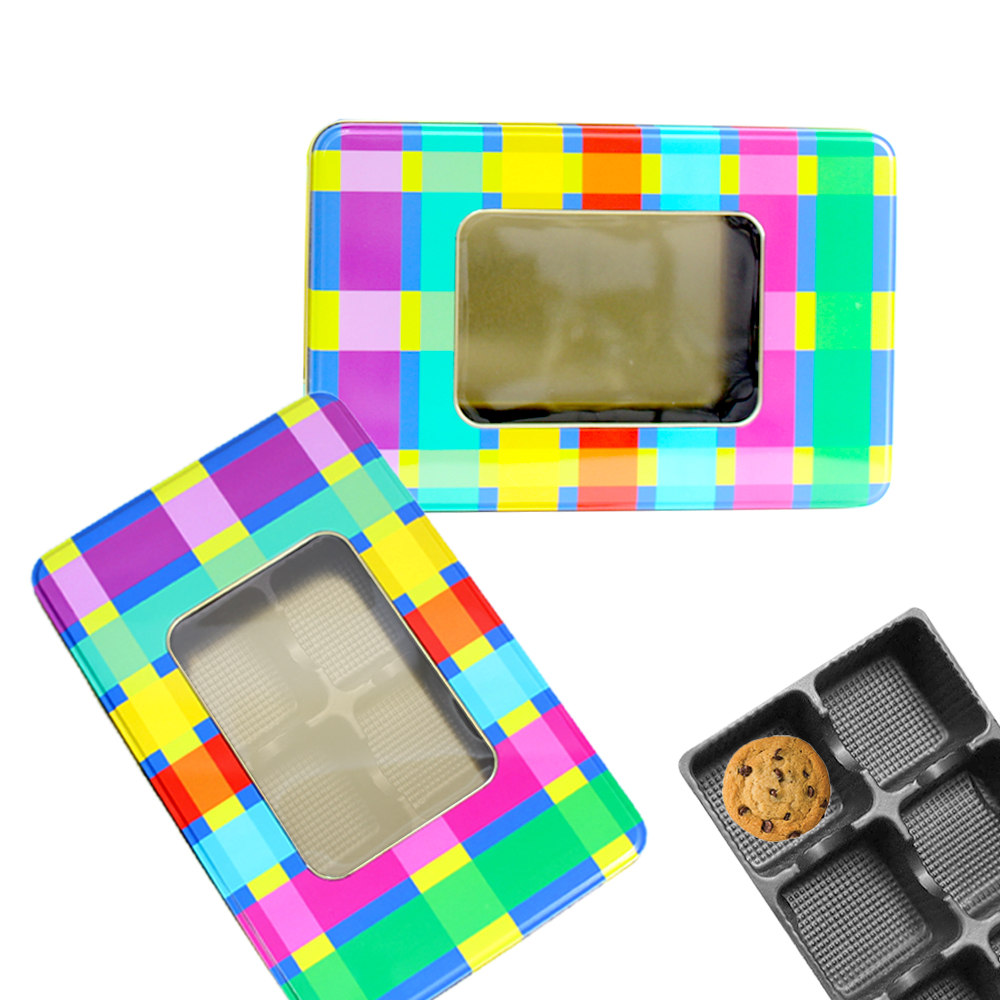
If you’ve ever baked a batch of cookies and wondered how to make them last beyond a day or two, you’ve probably considered storing them in a cookie tin. Those shiny, decorative containers are a staple in many kitchens, but do they actually live up to their reputation for keeping cookies fresh? Let’s dive into the science and practicality of using tin cans for cookie storage.
do cookie tins keep cookies fresh