





is tin can recyclable
author: Chen
2025-08-04
Is Tin Can Recyclable? Unveiling the Truth and Benefits

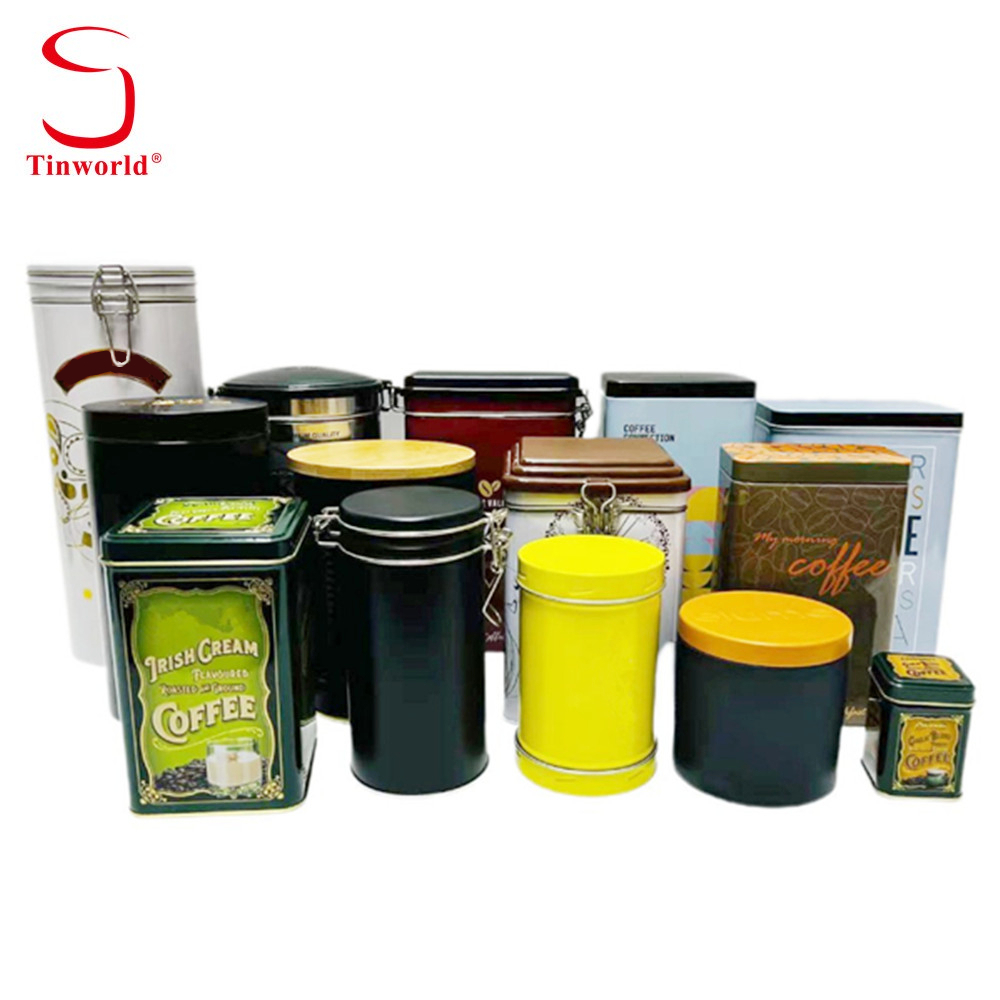
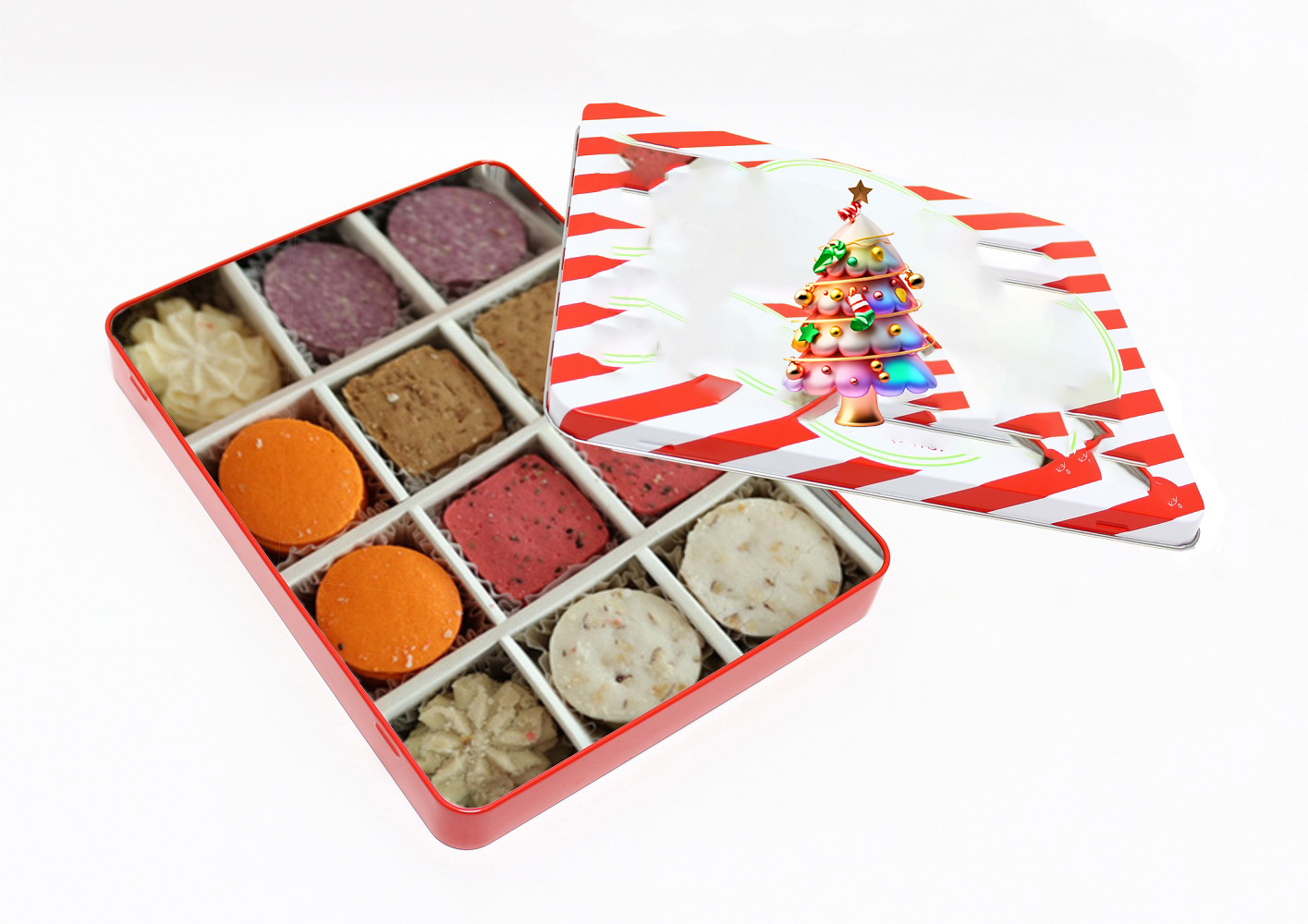
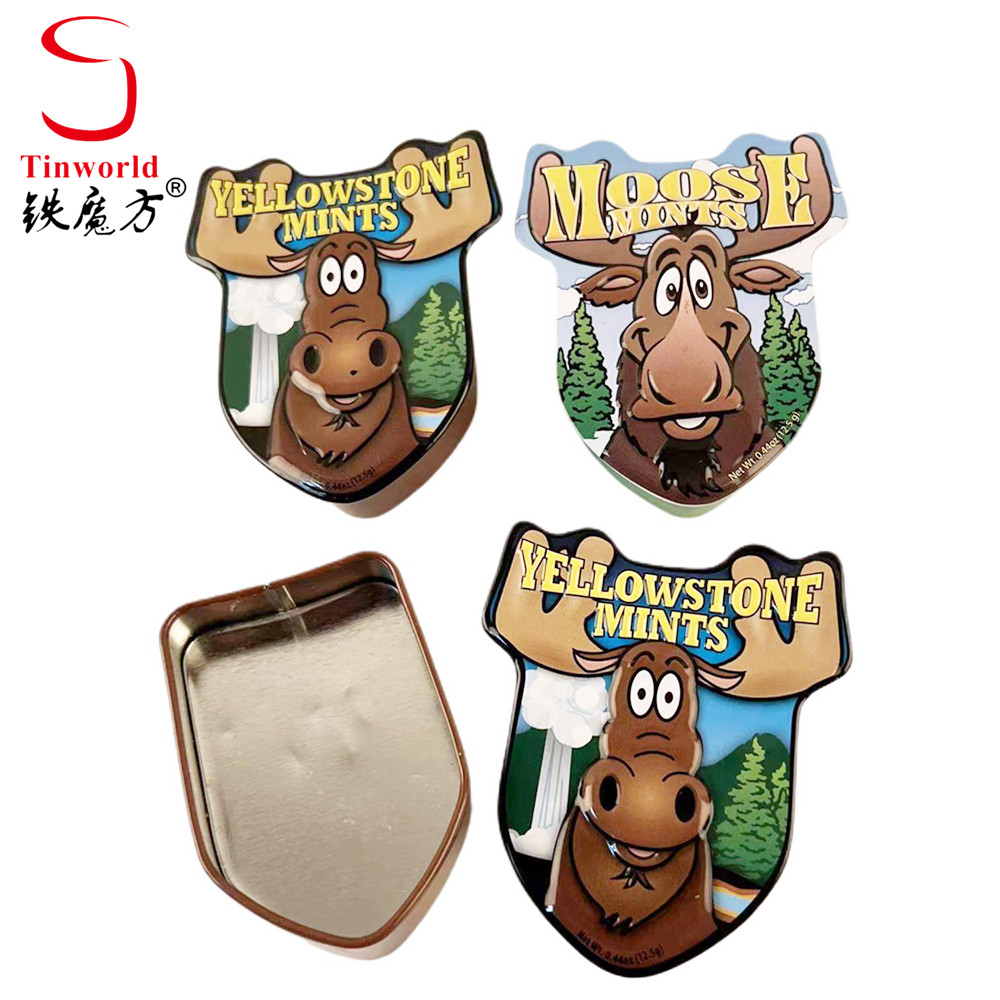
In our daily lives, tin cans are ubiquitous—holding everything from canned coffee bean and tea, and even some food. As environmental awareness grows, many of us wonder: is this common packaging material recyclable? The short answer is yes, tin cans are highly recyclable, and their recycling process offers significant environmental and practical benefits. Let’s dive deeper into the world of tin can recycling, exploring why it matters, how it works, and the advantages of this versatile packaging.
What Exactly Is a "Tin Can"?
Before delving into recycling, it’s important to clarify what a “tin can” really is. Contrary to what the name might suggest, most modern “tin cans” are not made entirely of tin. Instead, they are typically steel cans coated with a thin layer of tin on the inside and outside. This tin coating serves a crucial purpose: it prevents the steel from rusting when it comes into contact with food or liquids, ensuring the contents stay fresh and safe for consumption.
The term “tin can” has stuck around due to historical reasons—early cans were indeed made with tin plating, and the name remains in common usage today. So, when we talk about recycling tin cans, we’re primarily referring to recycling the steel base with its tin coating, both of which are valuable and recyclable materials.
Are Tin Cans Recyclable? The Process Explained
Tin cans are among the most recyclable packaging materials available, with a well-established recycling process that is both efficient and environmentally friendly. Here’s a step-by-step look at how tin cans are recycled:
1. Collection and Sorting
After you toss your empty tin can into the recycling bin, it joins a stream of other recyclables. At recycling facilities, workers and machines sort through the materials, separating tin cans from other items like plastic bottles, glass jars, and paper. This sorting is essential to ensure that only clean, suitable materials proceed to the next stage.
2. Cleaning and Preparation
Once sorted, the tin cans are cleaned to remove any remaining food residue, labels, or adhesives. This step is crucial because contaminants can interfere with the recycling process. The cans are then crushed or flattened to save space during transportation to processing plants.
3. Melting and Separation
At the processing plant, the crushed tin cans are melted down in a furnace. During this process, the tin coating and the steel base separate due to their different melting points. The molten steel is then poured into molds to form new steel products, while the tin is collected and purified to be reused in new tin coatings or other tin-based products.
4. Reusing the Materials
The recycled steel from tin cans can be used to make a wide range of products, including new tin cans, construction materials, car parts, and even appliances. The recycled tin is often reused to coat new steel cans, creating a circular loop that minimizes waste.
The Advantages of Tin Cans: Why They’re a Smart Choice
Beyond their recyclability, tin cans offer several key advantages that make them a popular choice for packaging:
1. Durability and Long Shelf Life
Tin cans are highly durable, protecting their contents from physical damage, light, and air. This durability extends the shelf life of food products, reducing food waste and ensuring that items remain fresh for longer periods—sometimes for years.
2. Safety and Hygiene
The tin coating on steel cans is non-toxic and inert, meaning it doesn’t react with food or transfer harmful substances. This makes tin cans a safe choice for storing food and beverages, providing peace of mind for consumers.
3. Cost-Effectiveness
Steel, the primary material in tin cans, is abundant and relatively inexpensive to produce. Additionally, the recycling process for tin cans is efficient, which helps keep production costs low for manufacturers and, in turn, for consumers.
4. Environmental Benefits
As mentioned, tin cans are highly recyclable, and recycling them requires far less energy than producing new steel from raw materials. In fact, recycling steel saves up to 70% of the energy needed to make steel from iron ore. This reduction in energy use also lowers greenhouse gas emissions, making tin cans a more environmentally friendly packaging option compared to some alternatives.
Tips for Recycling Tin Cans Properly
To ensure that your tin cans are recycled effectively, follow these simple tips:
- Rinse thoroughly: Remove any remaining food or liquid from the can to prevent contamination.
- Remove labels if possible: While many recycling facilities can handle labels, removing them (if easy to do) can make the process smoother.
- Crush the can: Flattening or crushing the can saves space in your recycling bin and during transportation.
- Check local guidelines: Recycling rules can vary by location, so confirm that tin cans are accepted in your curbside recycling program.
Conclusion
Tin cans are not only recyclable but also one of the most recycled packaging materials globally, thanks to their durable construction, efficient recycling process, and numerous benefits. By recycling your empty tin cans, you’re contributing to a more sustainable future—reducing waste, conserving energy, and supporting the circular economy. So the next time you finish a can of soup or vegetables, remember: that tin can has a second life ahead of it, and your small action makes a big difference.
how to wrap a cookie tin
do cookie tins keep cookies fresh
Related Article
Tin metal is a popular choice for storage containers, decorative pieces, and vintage collectibles—think tin boxes for cookies, metal tins for candles. While tin is durable and resistant to rust, it can still accumulate dirt, tarnish. The good news is cleaning and your beloved tin boxes/metal tins is simple with gentle supplies you likely already have at home. Below is a clear, step-by-step guide to restore your tin items to their shiny best.
how to clean tin metal

In a world where we grab canned cookie, beans, and candy from supermarket shelves without a second thought, it’s easy to take the convenience of tin cans for granted. But have you ever wondered when this revolutionary food preservation method first began? Let’s dive into the history of tin cans and explore how they transformed the way we store and consume food.
when was food put into tin cans
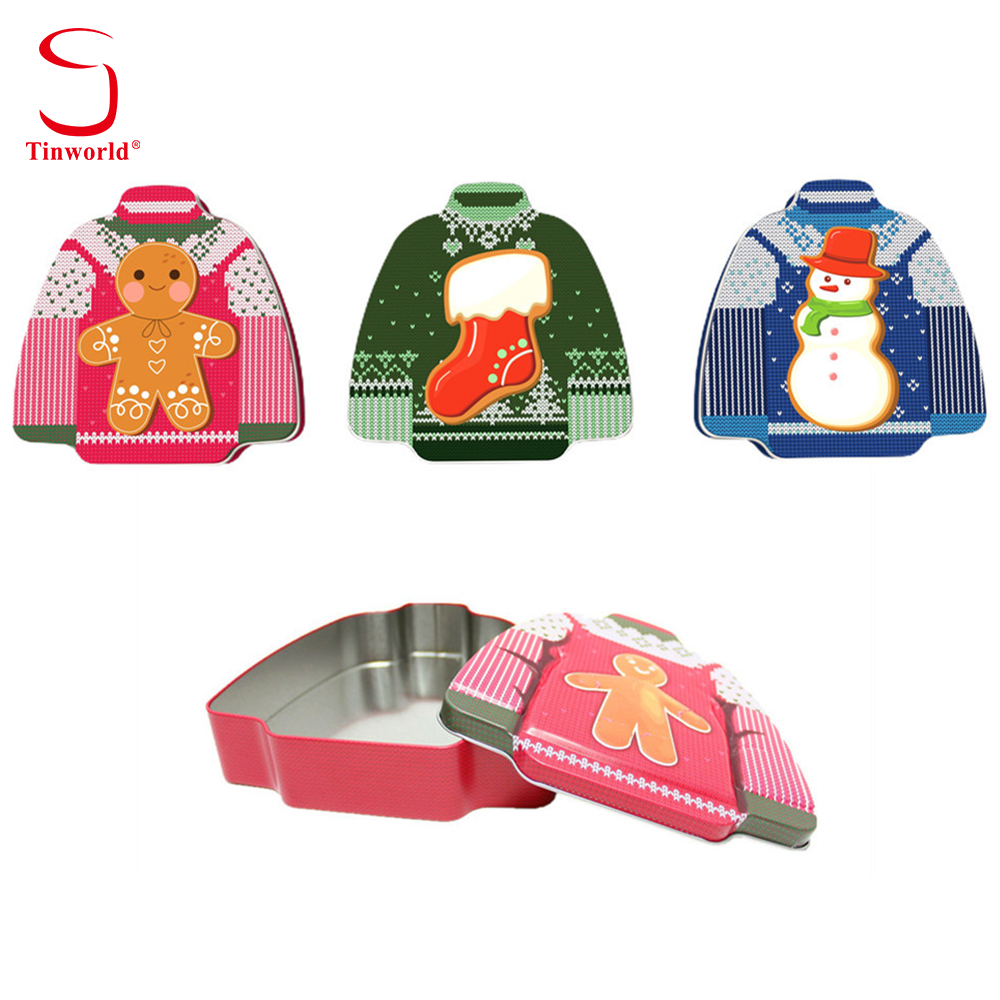
Whether you’re gifting homemade cookies for a holiday, birthday, or just to spread some joy, a beautifully wrapped cookie tin adds a special touch to your thoughtful gesture. In this guide, we’ll walk you through everything you need to know to achieve a polished, professional look.
how to wrap a cookie tin
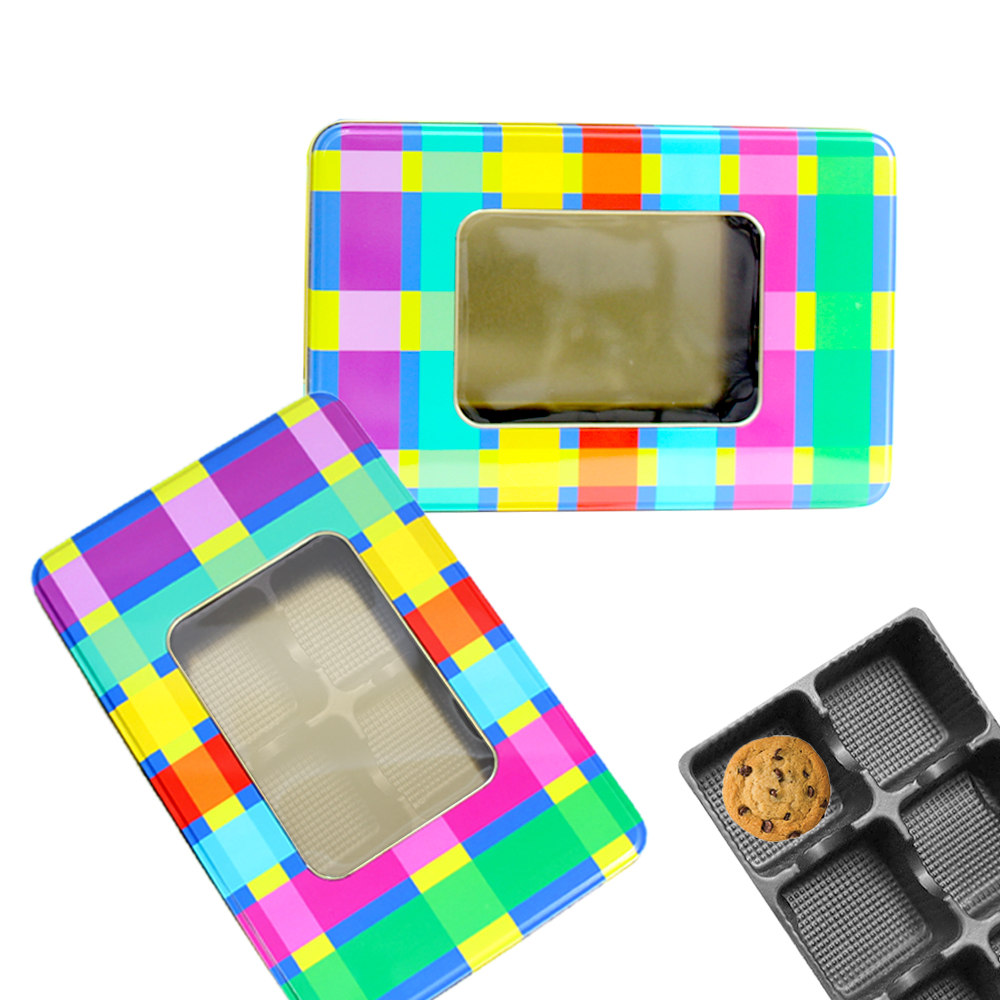
If you’ve ever baked a batch of cookies and wondered how to make them last beyond a day or two, you’ve probably considered storing them in a cookie tin. Those shiny, decorative containers are a staple in many kitchens, but do they actually live up to their reputation for keeping cookies fresh? Let’s dive into the science and practicality of using tin cans for cookie storage.
do cookie tins keep cookies fresh