







When Were Tin Cans Invented
author: Chen
2025-06-04

When Were Tin Cans Invented? Unveiling the History of a Revolutionary Packaging
The humble tin can, a staple in kitchens worldwide, has a fascinating origin story. Initially designed as a solution to a pressing problem, the invention of the tin can revolutionized food storage and preservation, paving the way for modern food packaging.


The Need for Preservation: The Birth of the Tin Can
In the late 18th century, the French military faced a significant challenge: how to feed its troops during long campaigns. Spoiled food was a common issue, leading to malnutrition and disease among soldiers. In response to this problem, French Emperor Napoleon Bonaparte offered a 12,000 - franc reward to anyone who could develop a reliable method of food preservation.
The Invention of the Tin Can: Nicolas Appert and Peter Durand
In 1809, French confectioner Nicolas Appert answered the call. He discovered that heating food in sealed glass jars could prevent spoilage, winning him the prize. However, glass jars were fragile and impractical for military use. In 1810, British merchant Peter Durand took Appert's concept further and patented the idea of using tin - coated iron cans to preserve food. This marked the official birth of the tin can.
The Early Days of Tin Can Production
Early tin cans were far from the convenient containers we know today. They were heavy, thick - walled, and laboriously hand - soldered. Opening them was a challenge, as can openers hadn't been invented yet; people often used hammers and chisels. Production was also slow; a skilled worker could make only about six cans per hour.
The Evolution of Tin Cans
Over time, advancements in technology transformed tin can production. In 1846, American John L. Mason invented the screw - neck glass jar, which improved upon the glass preservation method. But for tin cans, the real breakthrough came in the 1860s with the development of the three - piece can, consisting of a body, a bottom, and a lid. This design made production faster and more efficient. By the 1900s, automated machinery could produce hundreds of cans per minute.
The Impact of Tin Cans
The invention of tin cans had a profound impact on society. It enabled the transportation of food over long distances, making a wider variety of food available in different regions. It also played a crucial role in feeding soldiers during wars and contributed to the growth of the canned food industry. Today, tin cans (although often made from aluminum or tin - plated steel) remain an essential part of the food packaging industry, ensuring food safety and convenience for consumers around the world.
In conclusion, the tin can, invented in the early 19th century as a solution to food preservation, has come a long way. Its history is a testament to human ingenuity and the continuous pursuit of better ways to store and transport food.
can tin cans be recycled
What are tin cans made of
Related Article
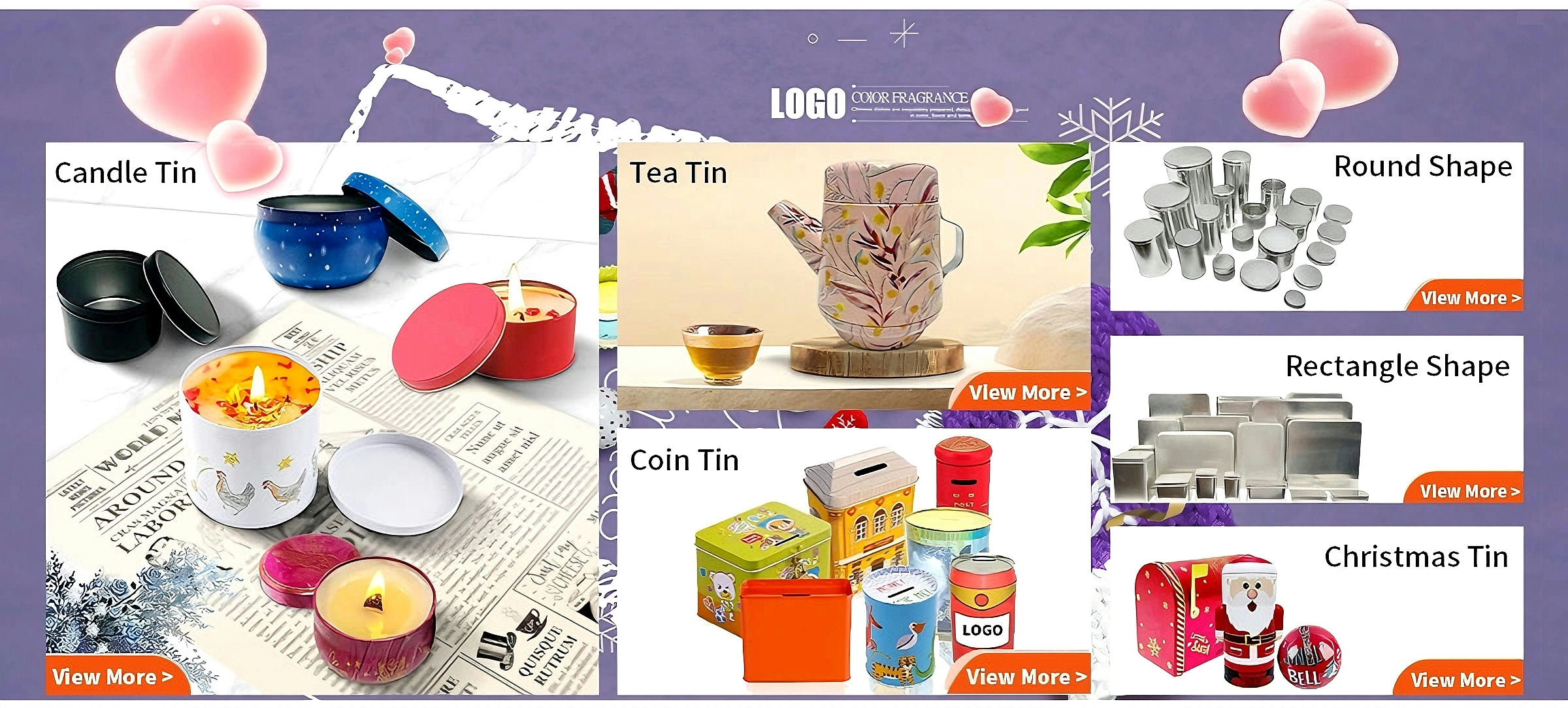
Tin metal is a popular choice for storage containers, decorative pieces, and vintage collectibles—think tin boxes for cookies, metal tins for candles. While tin is durable and resistant to rust, it can still accumulate dirt, tarnish. The good news is cleaning and your beloved tin boxes/metal tins is simple with gentle supplies you likely already have at home. Below is a clear, step-by-step guide to restore your tin items to their shiny best.
how to clean tin metal

In a world where we grab canned cookie, beans, and candy from supermarket shelves without a second thought, it’s easy to take the convenience of tin cans for granted. But have you ever wondered when this revolutionary food preservation method first began? Let’s dive into the history of tin cans and explore how they transformed the way we store and consume food.
when was food put into tin cans
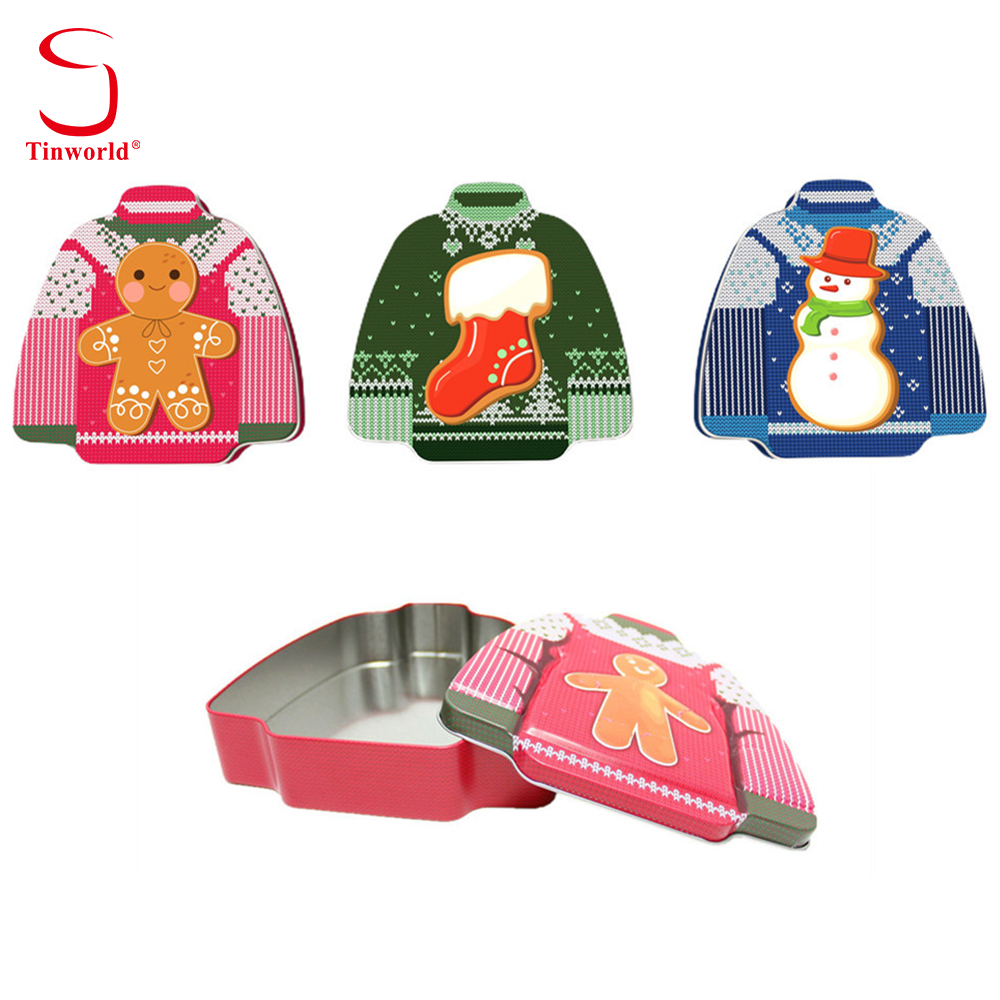
Whether you’re gifting homemade cookies for a holiday, birthday, or just to spread some joy, a beautifully wrapped cookie tin adds a special touch to your thoughtful gesture. In this guide, we’ll walk you through everything you need to know to achieve a polished, professional look.
how to wrap a cookie tin
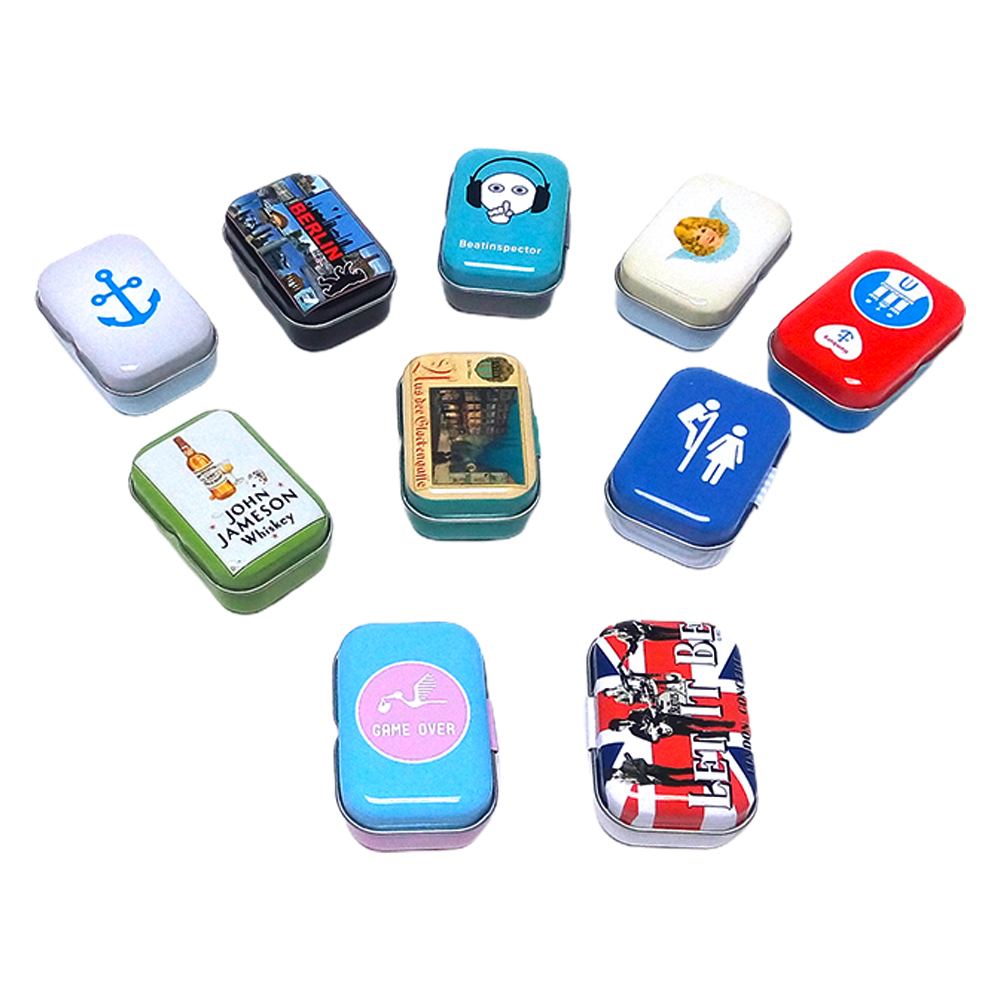
In our daily lives, tin cans are ubiquitous—holding everything from canned coffee bean and tea, and even some food. As environmental awareness grows, many of us wonder: is this common packaging material recyclable? The short answer is yes, tin cans are highly recyclable, and their recycling process offers significant environmental and practical benefits. Let’s dive deeper into the world of tin can recycling, exploring why it matters, how it works, and the advantages of this versatile packaging.
is tin can recyclable