





what metal is tin
author: Chen
2025-07-15
What Metal Is Tin? Exploring Its Properties and Iconic Uses
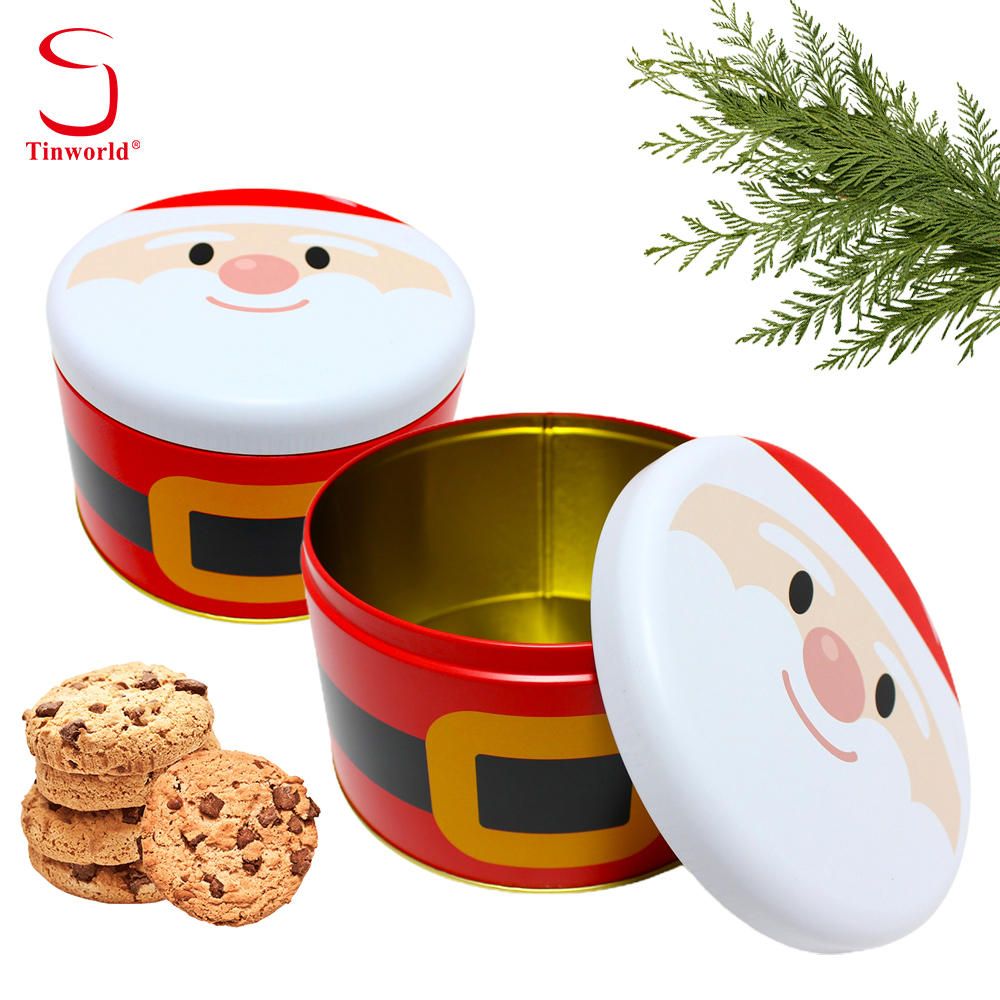
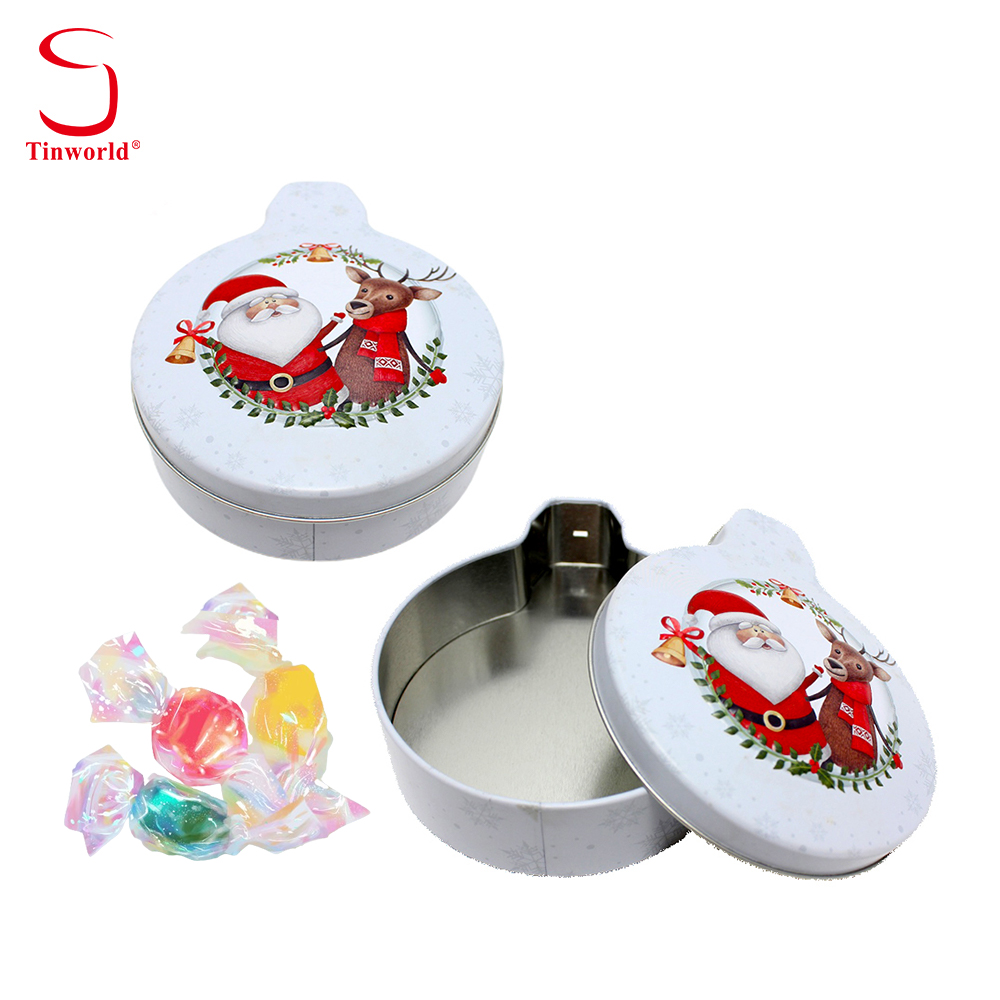
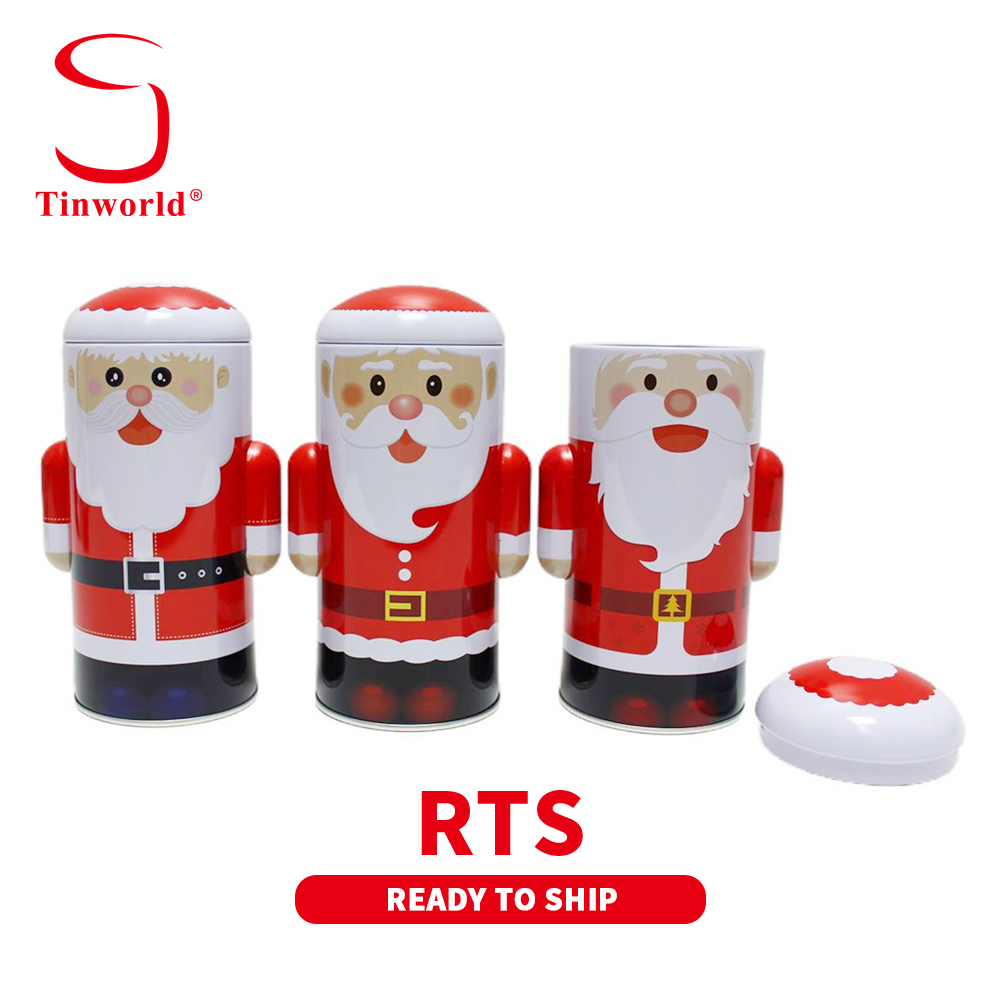

Tin is a versatile, silvery-white metal that has played a crucial role in human civilization for thousands of years. From ancient bronze tools to modern food packaging, this malleable element continues to be indispensable in various industries. Let’s dive into what makes tin unique, its key characteristics, and its most famous application: the tin can.
The Basics: What Defines Tin as a Metal?
Tin, with the chemical symbol Sn (derived from the Latin stannum), is a post-transition metal found in the periodic table with atomic number 50. It is relatively rare in its pure form in nature but is commonly extracted from ore minerals like cassiterite.
Key Physical and Chemical Properties of Tin
- Appearance: Pure tin has a bright, silvery luster, though it can develop a dull, grayish oxide layer when exposed to air over time—a process known as “tinning.”
- Malleability: One of tin’s most notable traits is its softness and malleability. It can be easily shaped, bent, or rolled into thin sheets without breaking, making it ideal for various manufacturing processes.
- Melting Point: Tin has a relatively low melting point (231.93°C or 449.47°F), which allows it to be melted and cast into different forms with moderate heat.
- Resistance to Corrosion: Unlike many metals, tin is highly resistant to rust and corrosion. This property, combined with its non-toxic nature, makes it safe for applications involving food and beverages.
Metal Tin in Everyday Life: Beyond the Basics
While tin is often used in alloys—such as bronze (tin + copper) and solder (tin + lead or other metals)—its pure form and coated versions have unique applications.
Tin Plating: Enhancing Other Metals
A common use of metal tin is in tin plating, where a thin layer of tin is applied to other metals like steel or iron. This process, called “tinning,” serves two main purposes: it prevents the base metal from corroding and improves its appearance. Tin-plated steel, for example, is shiny, durable, and resistant to rust, making it a popular material for cookware, containers, and even roofing.
Tin Cans: A Revolutionary Application
When most people hear the word “tin,” they immediately think of tin cans—and for good reason. These ubiquitous containers have revolutionized food preservation and storage since their invention in the early 19th century.
What Are Tin Cans Made Of?
Despite their name, modern tin cans are not made entirely of tin. Instead, they are typically constructed from tin-plated steel: a thin sheet of steel coated with a layer of tin. This combination leverages the strength of steel and the corrosion resistance of tin, creating a container that can safely hold food for long periods without rusting or contaminating the contents.
The History and Impact of Tin Cans
The tin can was invented in 1810 by Nicolas Appert and Peter Durand as a solution to preserve food for military forces. Initially, these cans were heavy and required a hammer and chisel to open, but they quickly transformed the food industry. By the late 19th century, tin cans became widely available to the public, reducing food waste and making a variety of foods accessible year-round, regardless of season or location.
Today, tin cans are used to store everything from vegetables and soups to pet food and paint. Their durability, affordability, and recyclability (tin-plated steel is one of the most recycled materials globally) ensure they remain a staple in packaging.
Why Tin Matters: Sustainability and Future Uses
Tin’s non-toxicity, recyclability, and resistance to corrosion make it an environmentally friendly choice. Unlike some metals that leach harmful substances, tin is safe for contact with food, which is why it remains the coating of choice for food cans. Additionally, tin is fully recyclable, and recycled tin retains its properties, reducing the need for mining new ore.
Looking ahead, tin is also gaining importance in electronics. It is a key component in solder used to connect electronic components, and its low toxicity (compared to lead-based solders) aligns with global efforts to reduce hazardous materials in tech products.
Conclusion: Tin’s Enduring Legacy
Tin may not be the most glamorous metal, but its unique properties—malleability, corrosion resistance, and non-toxicity—have made it essential throughout history. From ancient alloys to modern tin cans, this versatile metal continues to play a vital role in our daily lives. Whether preserving our food or powering our electronics, tin’s impact is undeniable—and it shows no signs of fading.
are cookie tins recyclable
a metal tin
Related Article
Tin metal is a popular choice for storage containers, decorative pieces, and vintage collectibles—think tin boxes for cookies, metal tins for candles. While tin is durable and resistant to rust, it can still accumulate dirt, tarnish. The good news is cleaning and your beloved tin boxes/metal tins is simple with gentle supplies you likely already have at home. Below is a clear, step-by-step guide to restore your tin items to their shiny best.
how to clean tin metal

In a world where we grab canned cookie, beans, and candy from supermarket shelves without a second thought, it’s easy to take the convenience of tin cans for granted. But have you ever wondered when this revolutionary food preservation method first began? Let’s dive into the history of tin cans and explore how they transformed the way we store and consume food.
when was food put into tin cans
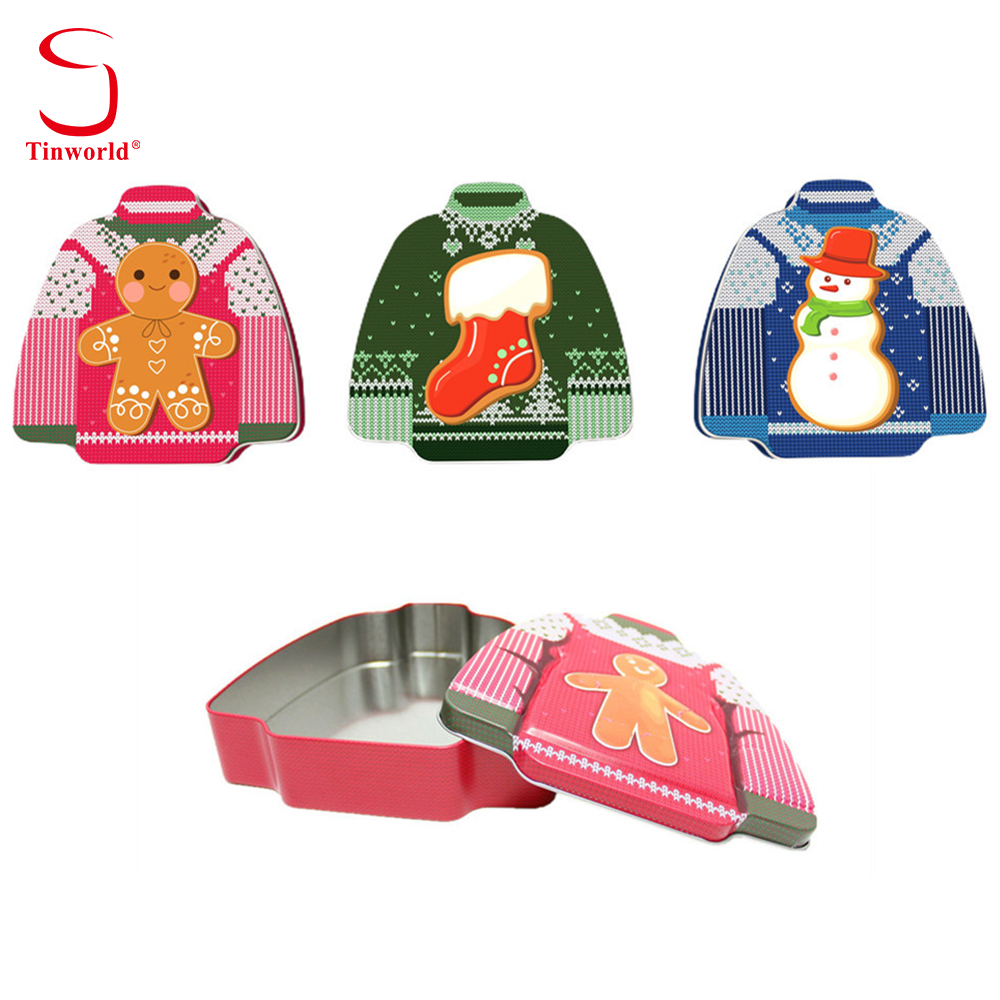
Whether you’re gifting homemade cookies for a holiday, birthday, or just to spread some joy, a beautifully wrapped cookie tin adds a special touch to your thoughtful gesture. In this guide, we’ll walk you through everything you need to know to achieve a polished, professional look.
how to wrap a cookie tin
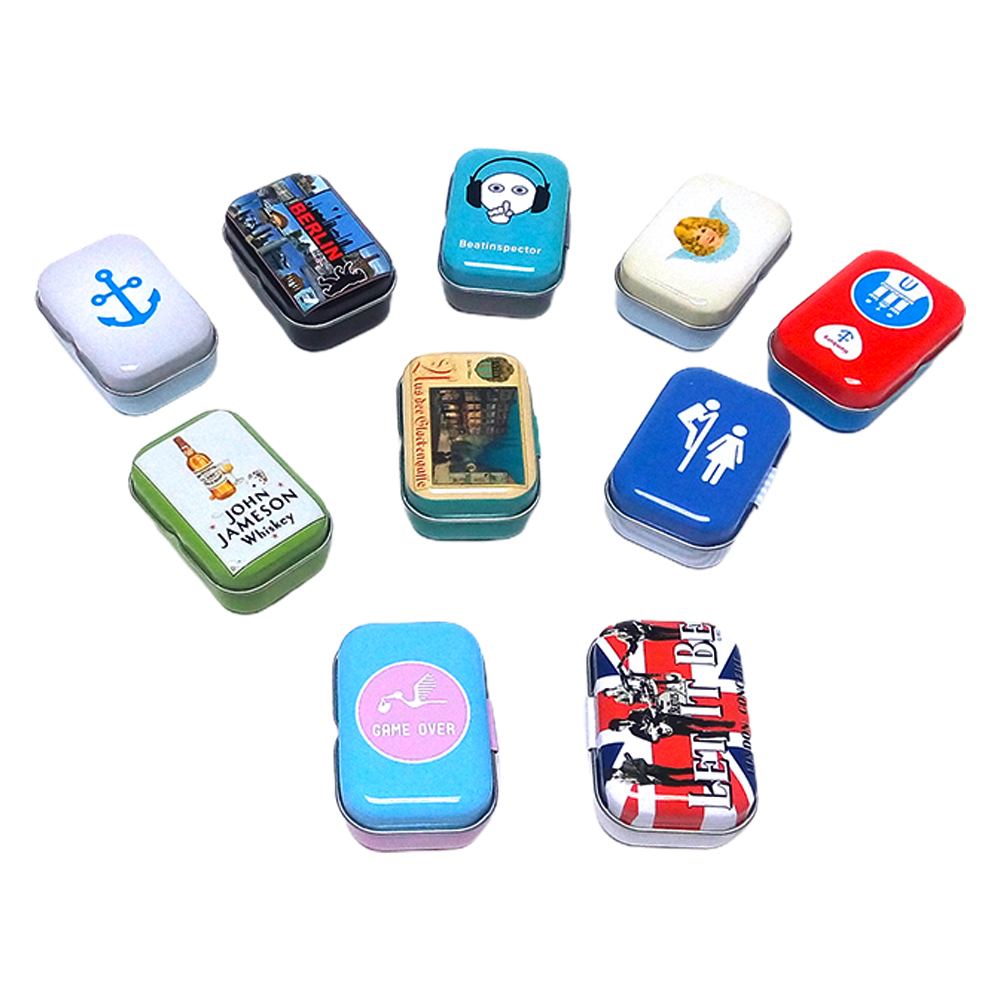
In our daily lives, tin cans are ubiquitous—holding everything from canned coffee bean and tea, and even some food. As environmental awareness grows, many of us wonder: is this common packaging material recyclable? The short answer is yes, tin cans are highly recyclable, and their recycling process offers significant environmental and practical benefits. Let’s dive deeper into the world of tin can recycling, exploring why it matters, how it works, and the advantages of this versatile packaging.
is tin can recyclable