



what is metal tin
author: Chen
2025-06-23
What is Metal Tin and Its Application in Tin Boxes
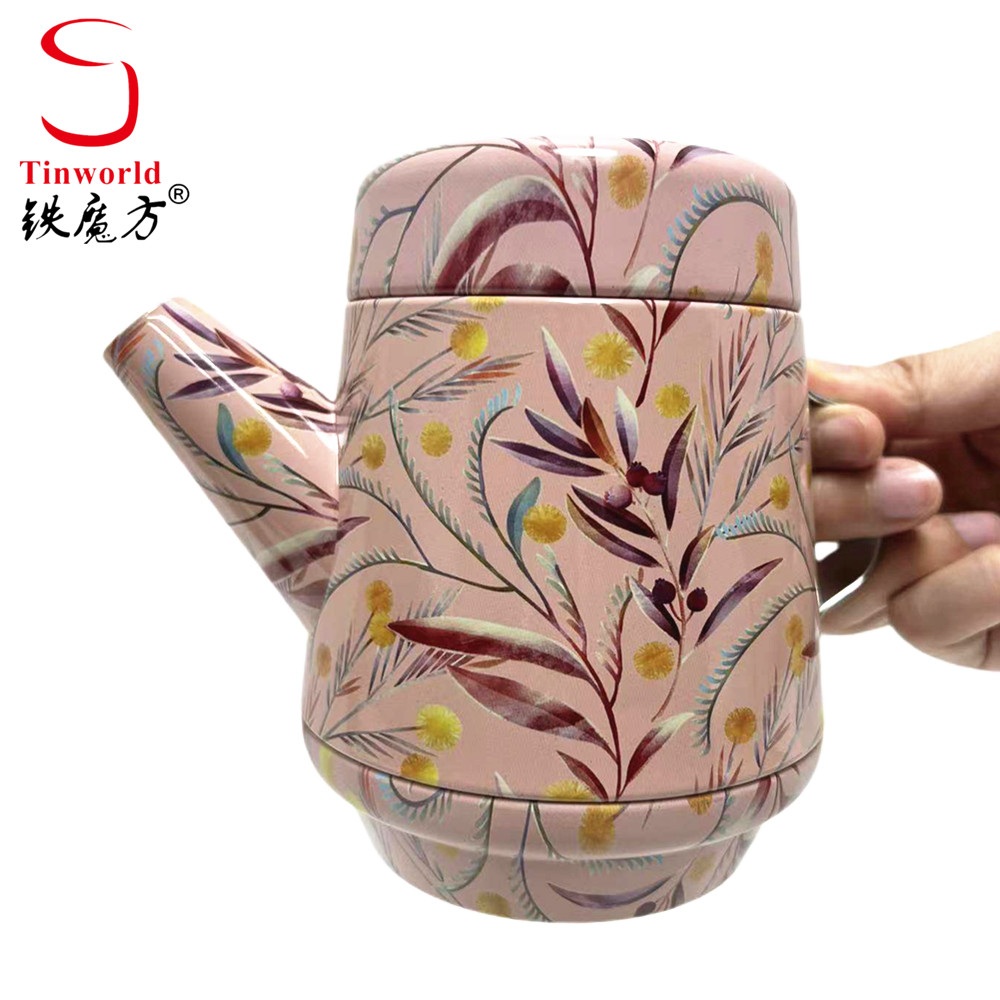
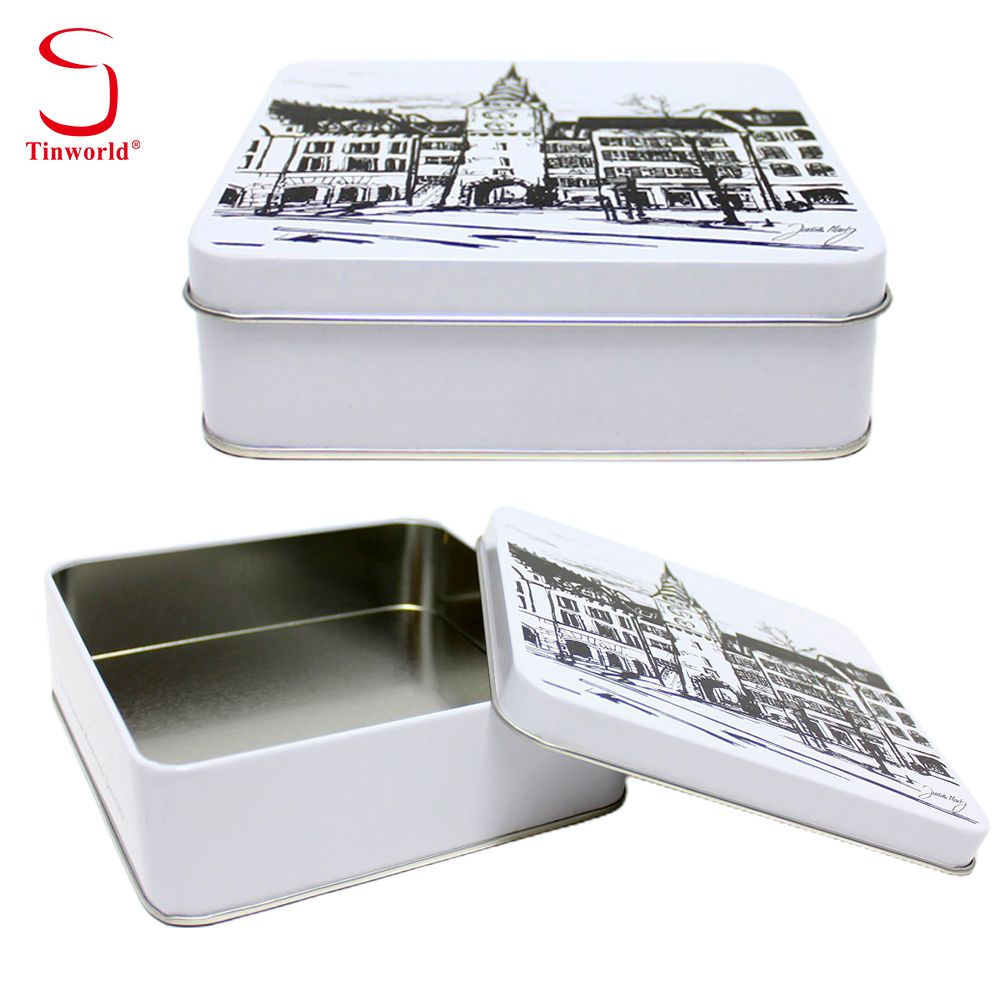
Metal tin, with its rich history and diverse applications, has played a significant role in human civilization for centuries. In this blog post, we will delve deep into the world of metal tin, exploring its properties, production, and most notably, its crucial application in tin boxes.
The Basics of Metal Tin
Chemical and Physical Properties
Tin is a chemical element with the symbol Sn (from the Latin word stannum) and atomic number 50. It is a soft, silvery-white metal that exhibits a low melting point, which is approximately 231.93°C (449.47°F). This relatively low melting point makes tin easy to melt and cast, a characteristic that has been exploited by humans for various purposes throughout history.
One of the remarkable properties of tin is its excellent malleability and ductility. It can be hammered into extremely thin sheets or drawn into fine wires without breaking. Additionally, tin has good corrosion resistance. When exposed to air, it forms a thin oxide layer on its surface, which protects the underlying metal from further oxidation and corrosion. This makes tin highly suitable for applications where durability and protection from the elements are required.
History of Tin
The use of tin dates back thousands of years. The discovery of tin was pivotal in the development of the Bronze Age, which began around 3300 BC. Bronze, an alloy primarily composed of copper and tin, was much harder and more durable than pure copper, revolutionizing tools, weapons, and art. Ancient civilizations such as the Egyptians, Sumerians, and later the Romans, heavily relied on tin for trade and manufacturing. Tin mines were established in various parts of the world, including Cornwall in the United Kingdom, which became one of the most important sources of tin in Europe for centuries.
Production of Metal Tin
Mining
Tin is typically mined from ore deposits. The most common ore containing tin is cassiterite (SnO₂). Tin mining operations can be either open-pit or underground, depending on the depth and location of the ore body. In open-pit mining, large-scale excavation equipment is used to remove the overlying rock and access the tin ore. Underground mining, on the other hand, involves creating tunnels and shafts to reach the ore deposits. Once the ore is extracted from the ground, it is transported to processing plants for further treatment.
Processing
At the processing plant, the tin ore undergoes several stages of treatment. First, it is crushed and ground into a fine powder to increase the surface area for subsequent chemical processes. Then, through a process called beneficiation, which may include methods such as gravity separation, magnetic separation, and flotation, the tin ore is concentrated to remove impurities and increase the tin content. The concentrated ore is then smelted, usually in a furnace, with reducing agents such as carbon. During smelting, the tin oxide in the ore is reduced to metallic tin, which can be further refined to meet the required purity standards.
Metal Tin Boxes: A Versatile Packaging Solution
Manufacturing Process
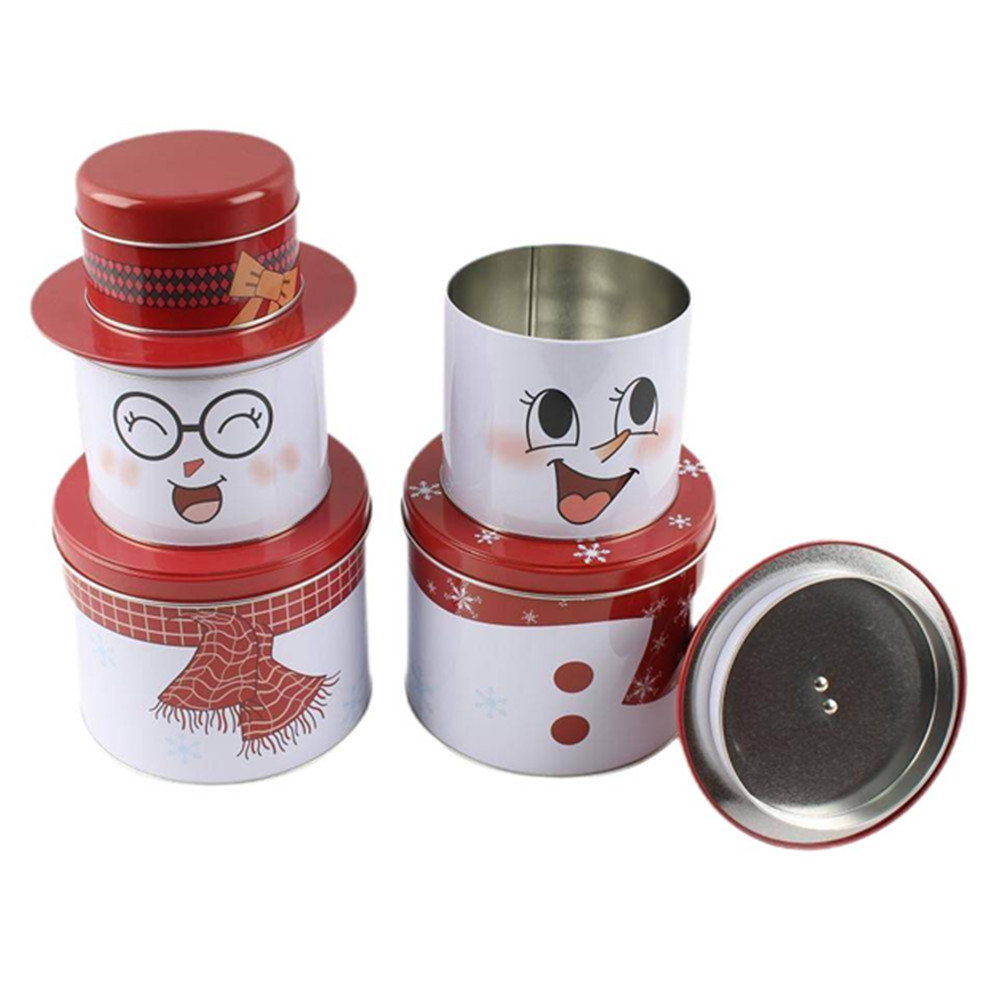
Metal tin boxes, also known as tinplate boxes, are not actually made entirely of pure tin. Instead, they are primarily composed of steel with a thin layer of tin coating. The manufacturing process starts with the preparation of the steel sheet. The steel is cleaned and degreased to ensure a proper bond with the tin layer. Then, through a process called electroplating or hot-dipping, a thin layer of tin is applied to both sides of the steel sheet. The electroplating method uses an electric current to deposit tin ions onto the steel surface, while hot-dipping involves immersing the steel sheet in a bath of molten tin.
After the tin coating is applied, the tinplate sheet is cut, shaped, and formed into the desired box design. This can be done using various techniques such as stamping, bending, and welding. The edges of the box are often folded and sealed to create a strong, airtight container. Depending on the application, additional features such as lids, hinges, and decorative printing can be added to the tin box.
Advantages of Metal Tin Boxes
- Exceptional Durability: The combination of the strong steel base and the protective tin coating makes tin boxes highly durable. They can withstand rough handling, impacts, and variations in temperature and humidity. This durability ensures that the contents inside the box remain protected during storage and transportation. For example, tin boxes used for packaging food products can prevent damage from external forces, ensuring the integrity of the food.
- Superior Barrier Properties: Tin boxes offer excellent barrier properties against moisture, oxygen, light, and odors. This is crucial for preserving the quality and freshness of products. In the case of food and beverage packaging, the barrier properties of tin boxes prevent spoilage, oxidation, and the absorption of unwanted flavors and odors. Cosmetics and pharmaceutical products also benefit from these barrier properties, as they can maintain their chemical stability and effectiveness when stored in tin boxes.
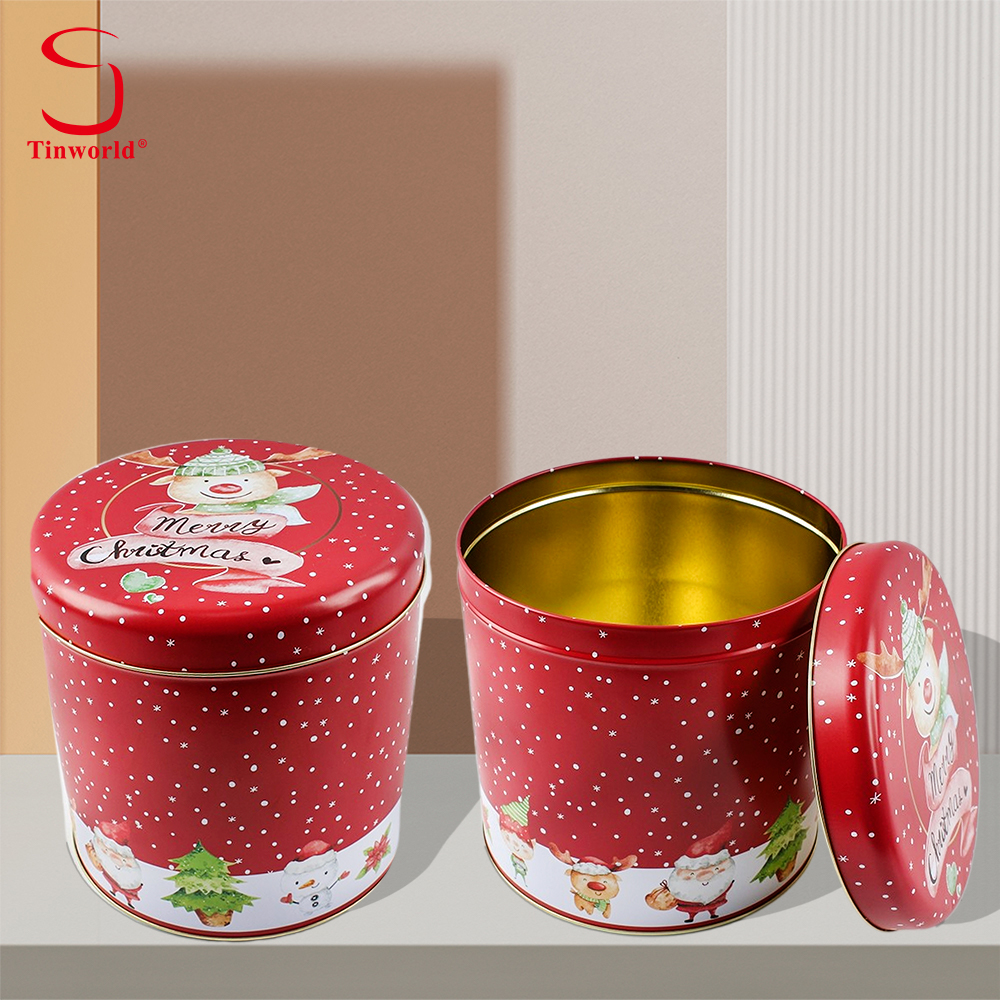
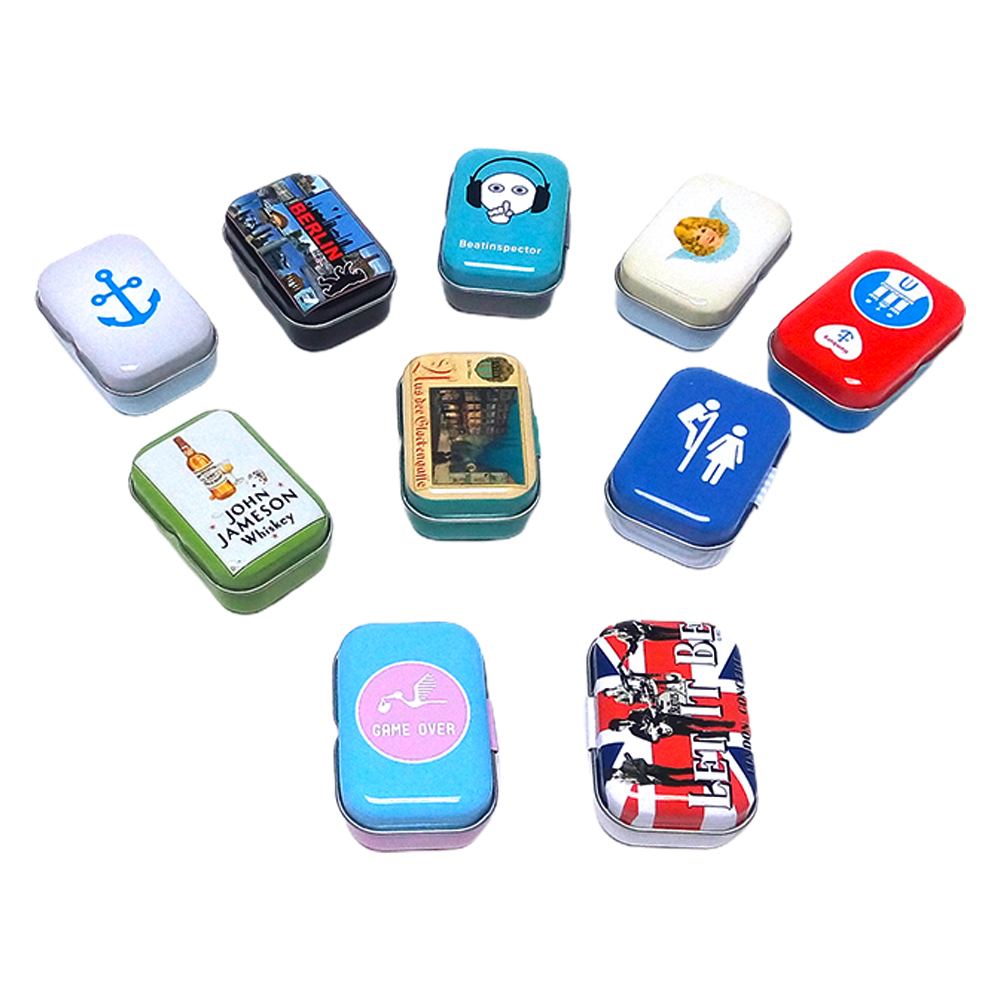
- Aesthetic Appeal: Tin boxes can be easily customized with various designs, colors, and printing techniques. They can feature intricate artwork, brand logos, and product information, making them not only functional but also visually appealing. This aesthetic appeal is highly valued in the marketing of products, as attractive packaging can catch the consumer's eye and enhance the overall brand image. Many companies use tin boxes as promotional items or for limited - edition product releases due to their eye - catching nature.
- Recyclability: Tin boxes are highly recyclable. Recycling tin boxes helps conserve natural resources, reduce energy consumption, and minimize environmental impact. When tin boxes are recycled, the steel and tin components can be separated and reused in the production of new metal products. This closed - loop recycling process makes tin boxes an environmentally friendly packaging option, aligning with the growing global focus on sustainability.
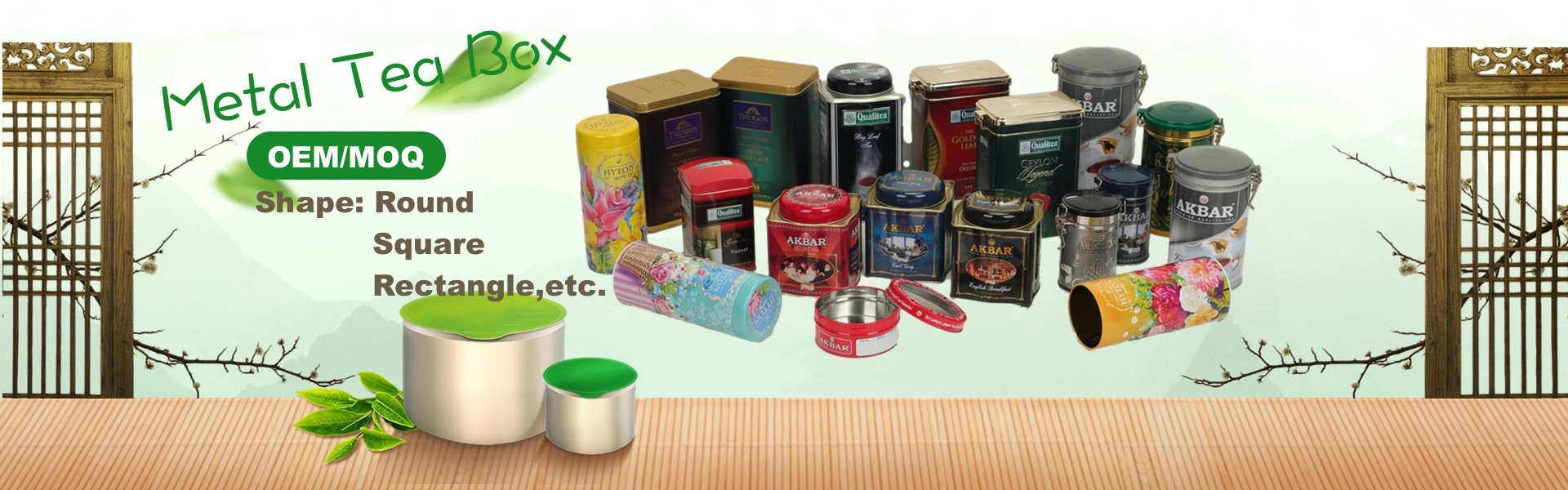
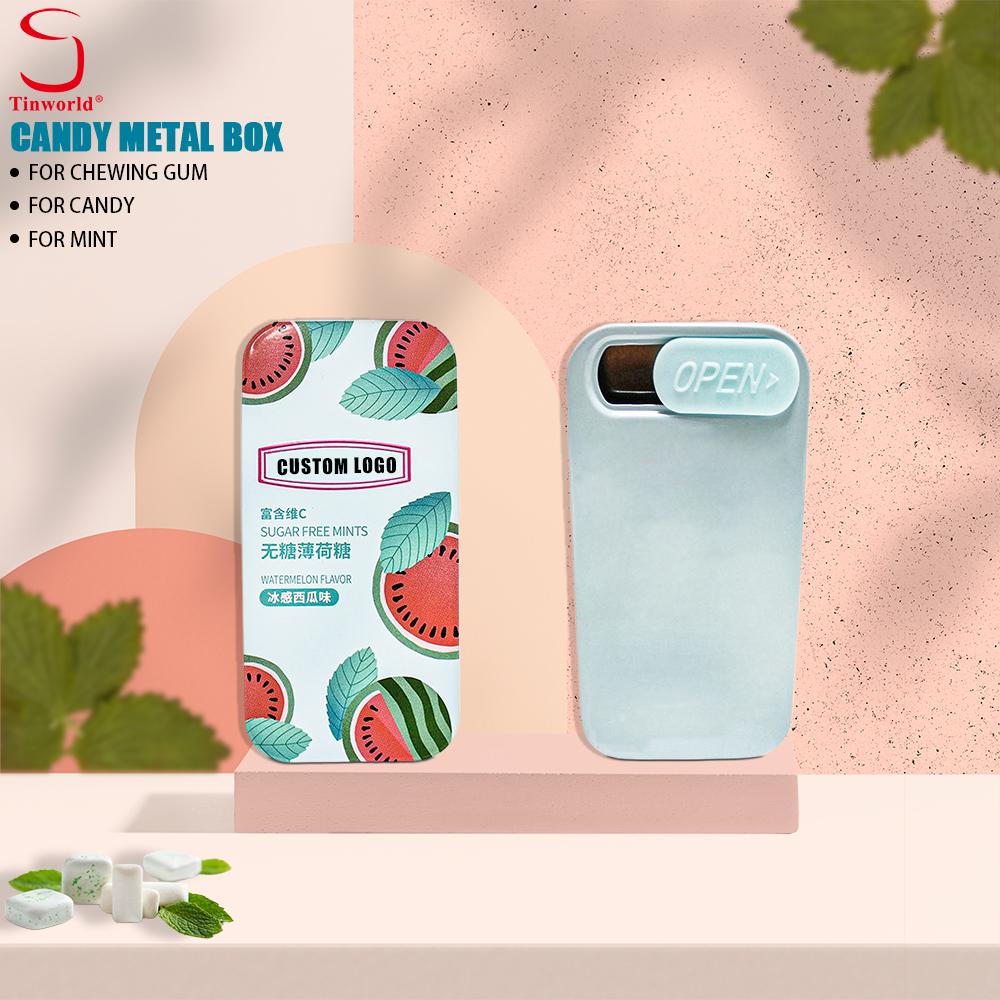
- Versatility: Metal tin boxes come in a wide range of shapes and sizes, making them suitable for packaging a diverse array of products. From small candies and jewelry to large electronic components and industrial parts, tin boxes can be customized to meet the specific packaging requirements of different industries. Their versatility also extends to different end - uses, such as storage, gifting, and promotional purposes.
Conclusion
Metal tin, with its unique properties and long - standing history, continues to be an essential material in modern society. Its application in tin boxes has revolutionized the packaging industry, providing a durable, protective, and aesthetically pleasing solution for a wide variety of products. As we move towards a more sustainable future, the recyclability of tin boxes further enhances their value. Whether you're a consumer looking for a well - packaged product or a business owner seeking an effective packaging solution, metal tin boxes offer numerous benefits that make them a top choice.
where to buy tin cans
who invented tin cans
Related Article
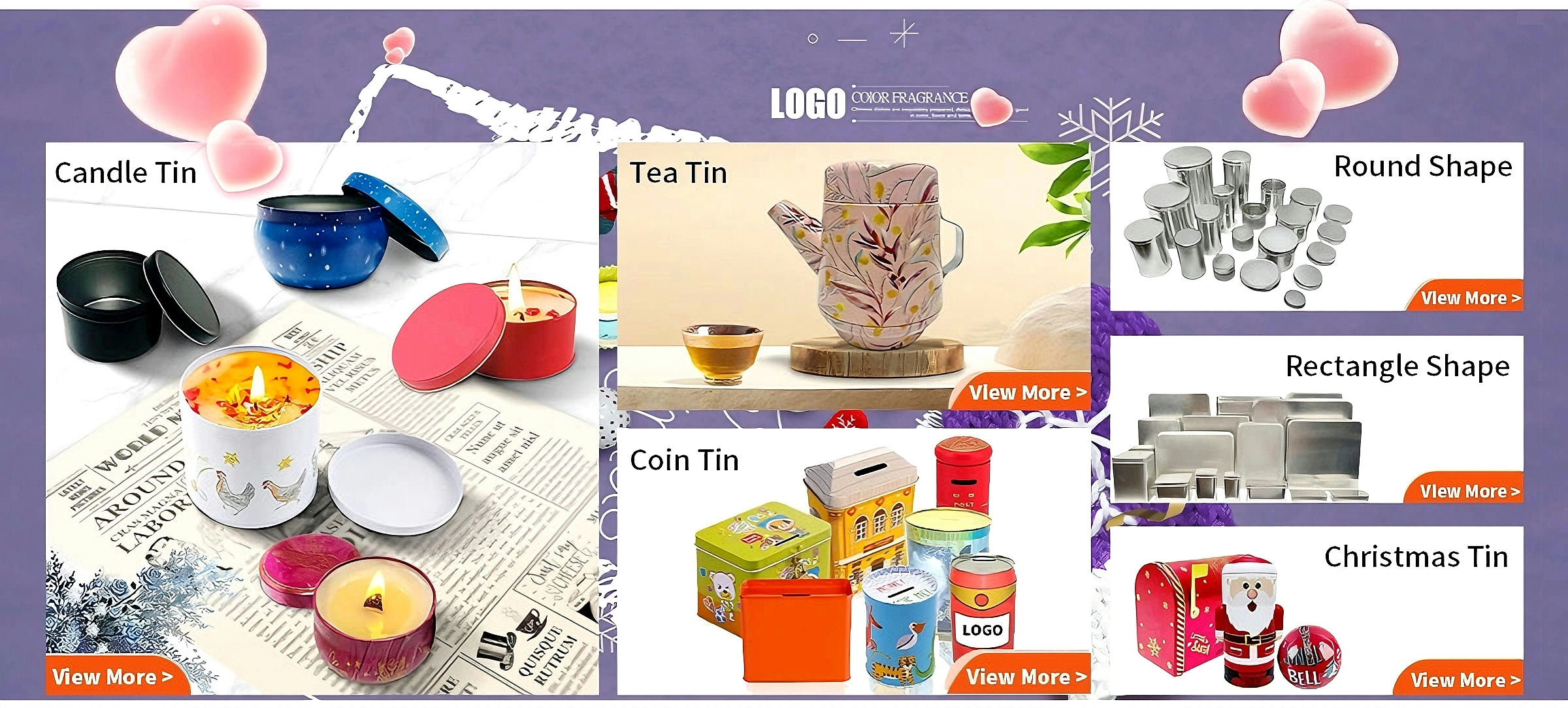
Tin metal is a popular choice for storage containers, decorative pieces, and vintage collectibles—think tin boxes for cookies, metal tins for candles. While tin is durable and resistant to rust, it can still accumulate dirt, tarnish. The good news is cleaning and your beloved tin boxes/metal tins is simple with gentle supplies you likely already have at home. Below is a clear, step-by-step guide to restore your tin items to their shiny best.
how to clean tin metal

In a world where we grab canned cookie, beans, and candy from supermarket shelves without a second thought, it’s easy to take the convenience of tin cans for granted. But have you ever wondered when this revolutionary food preservation method first began? Let’s dive into the history of tin cans and explore how they transformed the way we store and consume food.
when was food put into tin cans
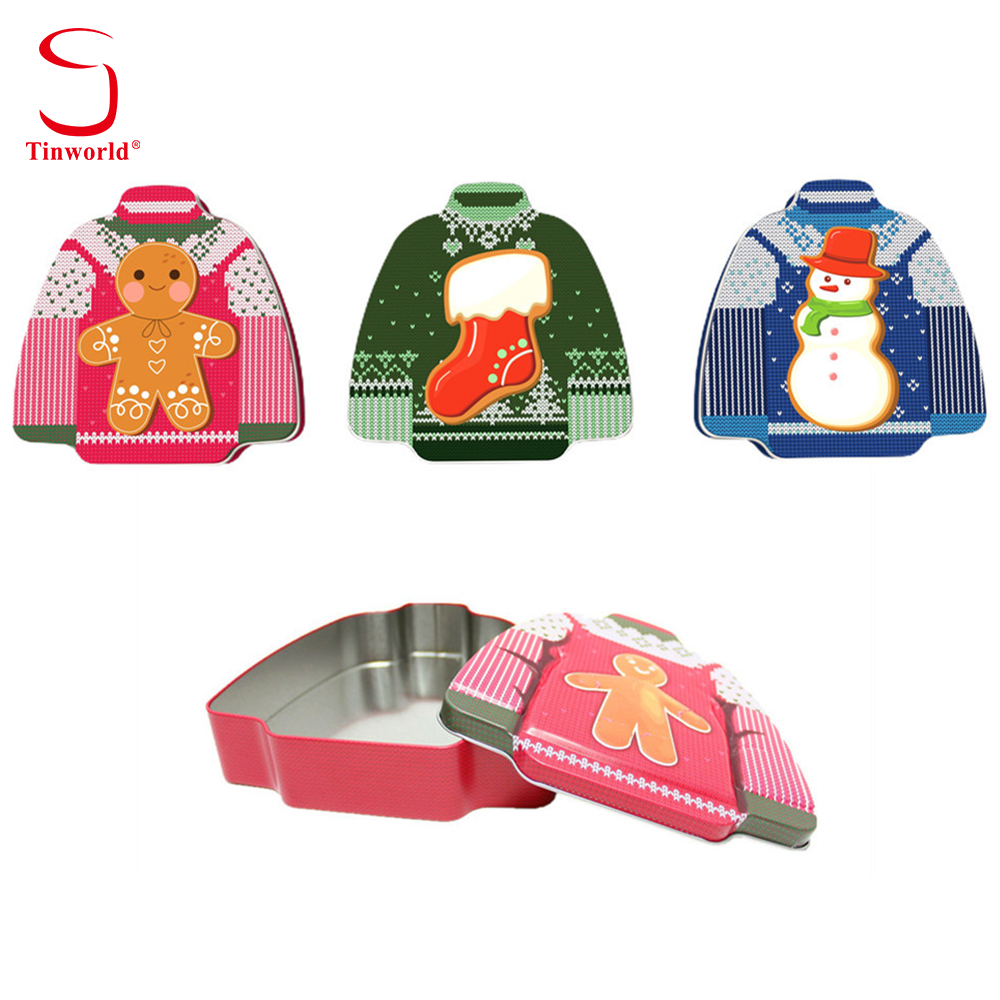
Whether you’re gifting homemade cookies for a holiday, birthday, or just to spread some joy, a beautifully wrapped cookie tin adds a special touch to your thoughtful gesture. In this guide, we’ll walk you through everything you need to know to achieve a polished, professional look.
how to wrap a cookie tin
In our daily lives, tin cans are ubiquitous—holding everything from canned coffee bean and tea, and even some food. As environmental awareness grows, many of us wonder: is this common packaging material recyclable? The short answer is yes, tin cans are highly recyclable, and their recycling process offers significant environmental and practical benefits. Let’s dive deeper into the world of tin can recycling, exploring why it matters, how it works, and the advantages of this versatile packaging.
is tin can recyclable