






What are tin cans made of
author: Chen
2025-05-28
What Are Tin Cans Made Of? Unveiling the Materials Behind Your Everyday Containers
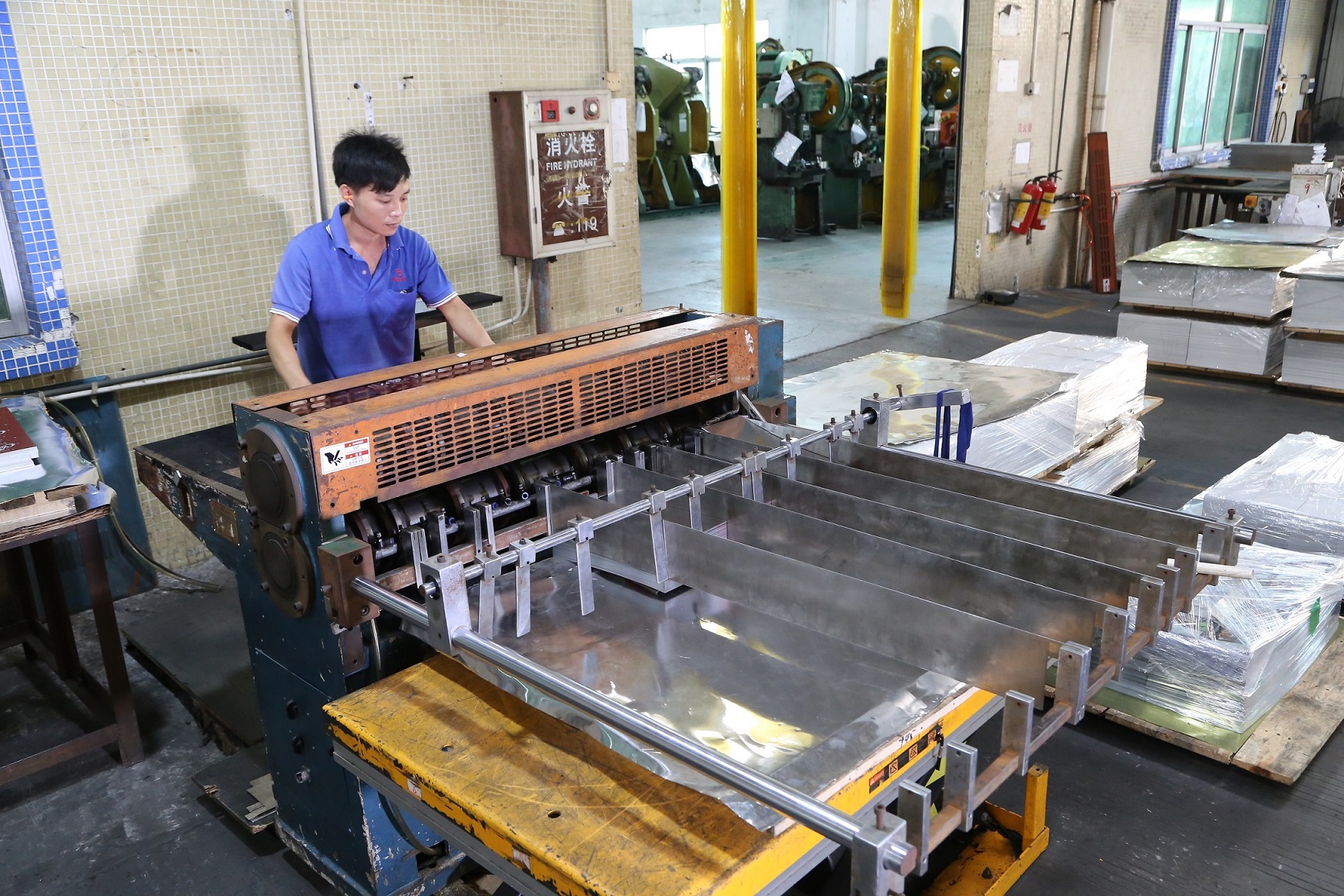
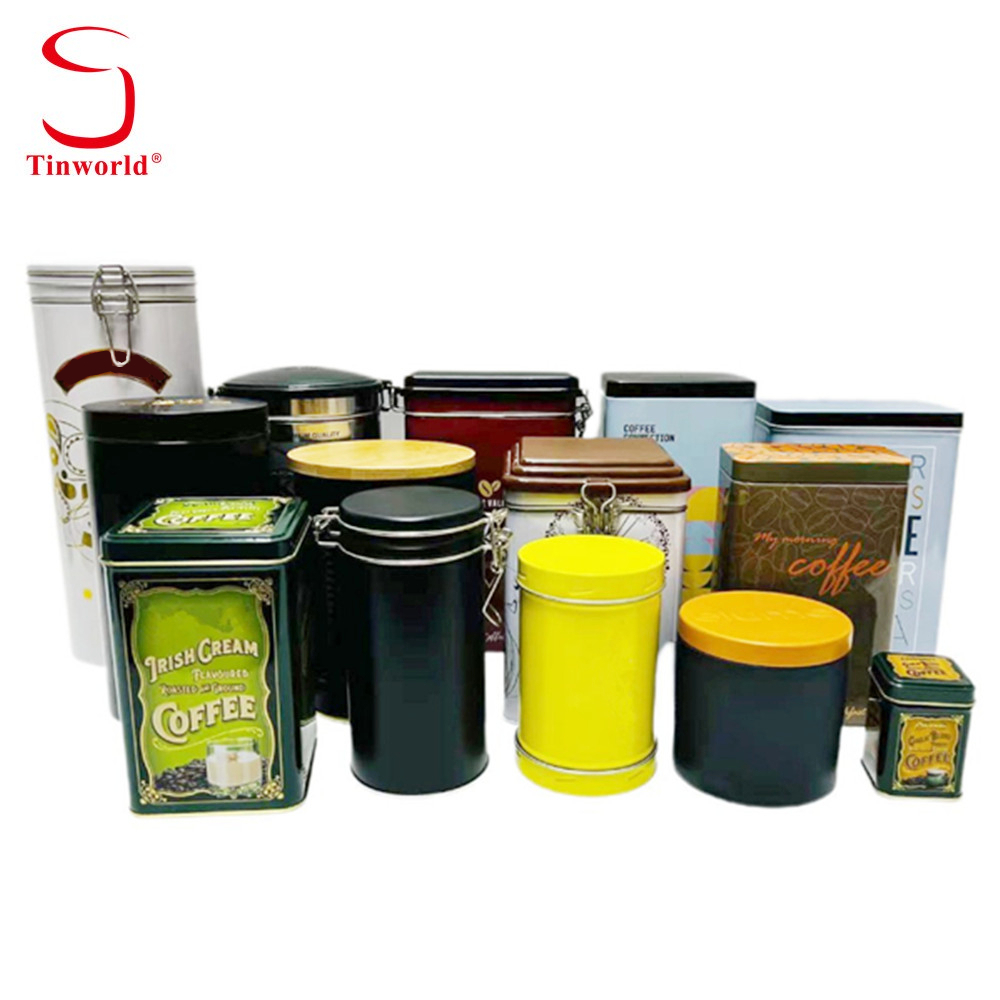
Tin cans are a common sight in our daily lives, used for storing everything from food and beverages to paint and other household items. But have you ever wondered what exactly these versatile containers are made of? In this blog post, we'll explore the primary materials that go into making tin cans: tinplate and tin.


The Foundation: Tinplate
The base material for most tin cans is tinplate, which is not actually pure tin but a composite material. Tinplate consists of a thin sheet of steel coated with a layer of tin. This combination offers the best of both worlds: the strength and durability of steel and the corrosion - resistant properties of tin.
The Composition of Tinplate
The steel core of tinplate is typically made from low - carbon steel. This type of steel is chosen for its malleability, allowing it to be easily formed into various shapes like cans. The thickness of the steel sheet can vary depending on the intended use of the can. For example, cans used for storing food and beverages usually have a relatively thin steel base, while those for more heavy - duty purposes, such as paint cans, may have a thicker steel layer.
The tin coating on the steel is applied through a process called electroplating. In electroplating, an electric current is used to deposit a thin, even layer of tin onto the surface of the steel. This tin layer is usually very thin, often less than 0.1 millimeters, but it plays a crucial role in protecting the steel from rust and other forms of corrosion.
Advantages of Tinplate
One of the main advantages of tinplate is its excellent barrier properties. The combination of steel and tin creates a barrier that effectively prevents oxygen, moisture, and other contaminants from reaching the contents of the can. This makes tin cans an ideal choice for preserving food and beverages, as it helps to maintain their freshness, flavor, and nutritional value for an extended period.
Another advantage is its recyclability. Both the steel and tin components of tinplate are highly recyclable materials. Recycling tin cans not only helps to conserve natural resources but also reduces energy consumption and environmental impact compared to producing new cans from raw materials.
The Role of Tin
While tinplate is the main material for tin cans, the tin coating itself deserves special attention. Tin (Sn) is a soft, silvery - white metal with several properties that make it ideal for can manufacturing.
Corrosion Resistance
The most significant property of tin in can production is its corrosion resistance. Tin forms a thin, protective oxide layer on its surface when exposed to air. This oxide layer acts as a barrier, preventing further oxidation and corrosion of the underlying metal. When applied to steel as a coating, it protects the steel from rusting, even in environments where moisture and oxygen are present. This is especially important for food - grade cans, as it ensures that the contents remain safe and free from contamination caused by rust.
Non - Toxicity
Tin is also non - toxic, which is a critical factor when it comes to food storage. Unlike some other metals, tin does not leach harmful substances into the food or beverages stored in the can. This makes tin - coated cans a safe choice for packaging a wide range of edible products, from fruits and vegetables to soups and sauces.
Aesthetic Appeal
In addition to its functional properties, tin gives tin cans an attractive appearance. The smooth, shiny surface of the tin coating provides a pleasing visual look, making the cans more appealing on store shelves. This aesthetic aspect can play a role in the marketing and consumer appeal of products packaged in tin cans.
Conclusion
In conclusion, tin cans are primarily made of tinplate, a composite material consisting of a steel core with a tin coating. The steel provides strength and formability, while the tin offers corrosion resistance, non - toxicity, and an aesthetically pleasing appearance. Understanding the materials behind tin cans not only gives us insight into the engineering and science of everyday objects but also highlights the importance of recyclable materials in our modern, environmentally - conscious world. Whether you're using a tin can to store your favorite food or beverage or recycling one to reduce waste, now you know exactly what it's made of.
When Were Tin Cans Invented
Are Tin Cans Recyclable
Related Article
Tin metal is a popular choice for storage containers, decorative pieces, and vintage collectibles—think tin boxes for cookies, metal tins for candles. While tin is durable and resistant to rust, it can still accumulate dirt, tarnish. The good news is cleaning and your beloved tin boxes/metal tins is simple with gentle supplies you likely already have at home. Below is a clear, step-by-step guide to restore your tin items to their shiny best.
how to clean tin metal

In a world where we grab canned cookie, beans, and candy from supermarket shelves without a second thought, it’s easy to take the convenience of tin cans for granted. But have you ever wondered when this revolutionary food preservation method first began? Let’s dive into the history of tin cans and explore how they transformed the way we store and consume food.
when was food put into tin cans
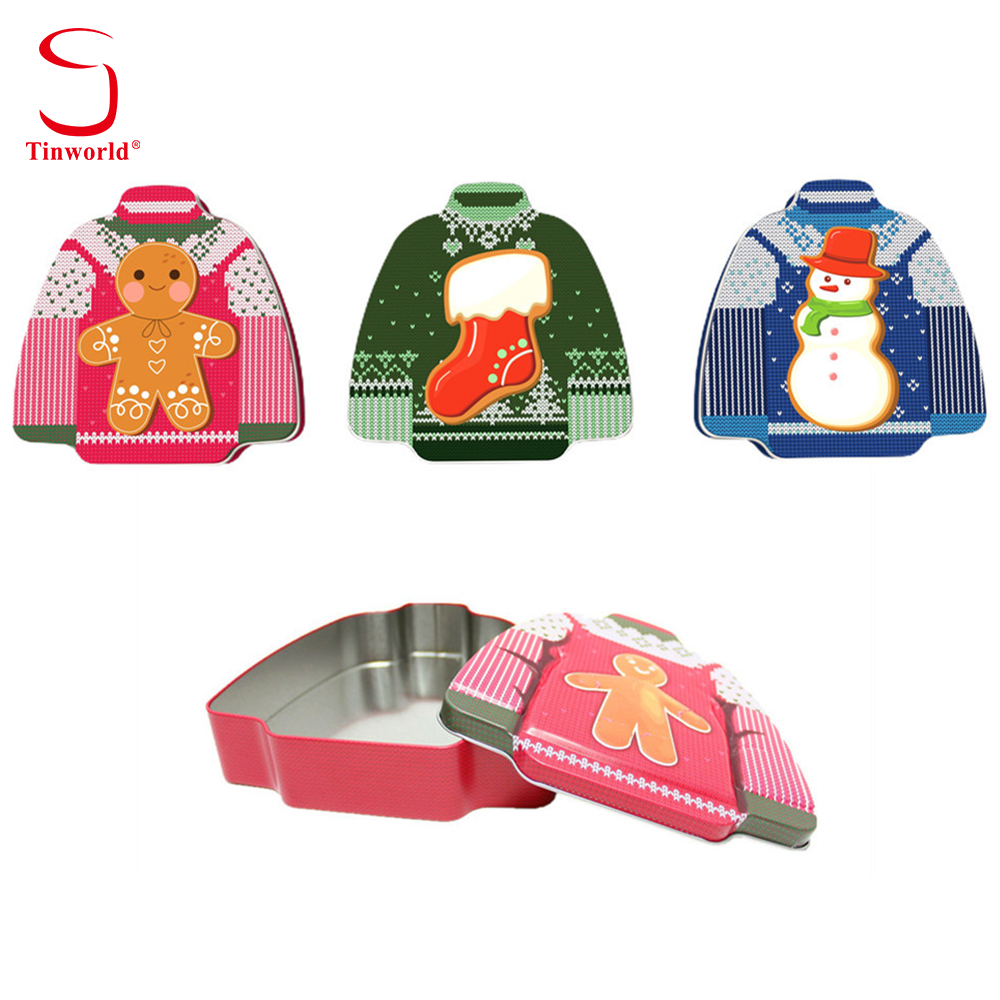
Whether you’re gifting homemade cookies for a holiday, birthday, or just to spread some joy, a beautifully wrapped cookie tin adds a special touch to your thoughtful gesture. In this guide, we’ll walk you through everything you need to know to achieve a polished, professional look.
how to wrap a cookie tin
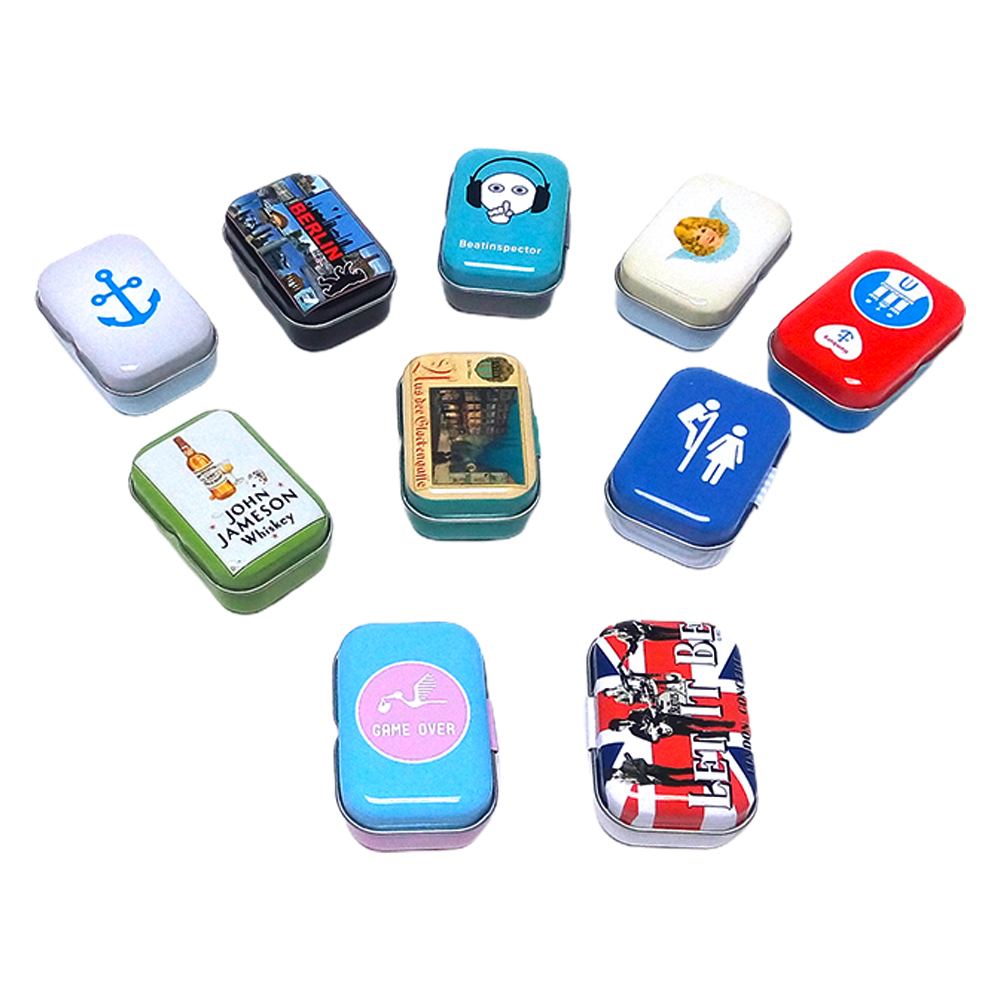
In our daily lives, tin cans are ubiquitous—holding everything from canned coffee bean and tea, and even some food. As environmental awareness grows, many of us wonder: is this common packaging material recyclable? The short answer is yes, tin cans are highly recyclable, and their recycling process offers significant environmental and practical benefits. Let’s dive deeper into the world of tin can recycling, exploring why it matters, how it works, and the advantages of this versatile packaging.
is tin can recyclable