







can tin cans be recycled
author: Chen
2025-06-05
Can Tin Cans Be Recycled? Unveiling the Truth
When it comes to waste management and environmental sustainability, one common question that often arises is, "Can tin cans be recycled?" The answer is a resounding yes! Tin cans, primarily made from metal tin, are highly recyclable, and understanding the process can help us all contribute to a greener planet.


What Are Tin Cans Made Of?
Contrary to what the name might suggest, most "tin cans" are actually made of steel with a thin layer of tin coating. This combination, known as tinplate, offers excellent durability, corrosion resistance, and a long shelf life for the contents inside. The metal tin coating not only protects the steel from rusting but also provides a safe and hygienic barrier for food and beverages. This makes tin cans a popular choice for packaging everything from beans and soups to soda and pet food.
The Recycling Process of Tin Cans
Recycling tin cans is a well-established and efficient process. First, used tin cans are collected through various recycling programs, curbside pickups, or drop-off centers. Once collected, the cans are transported to recycling facilities where they undergo a series of steps.
Sorting
At the recycling plant, the tin cans are sorted from other materials using automated sorting machines. These machines can detect the metal content of the cans and separate them from plastics, glass, and paper.
Shredding
The sorted tin cans are then shredded into small pieces. This makes it easier to melt them down in the subsequent steps.
Melting
The shredded tin can pieces are placed in a furnace, where they are melted at high temperatures. During this process, any impurities or non-metal components are removed, leaving behind pure metal.
Purification and Reforming
The melted metal is further purified and then reformed into new sheets of tinplate. These sheets can then be used to manufacture new tin cans or other metal products, completing the recycling cycle.
The Benefits of Recycling Tin Cans
Recycling tin cans offers numerous environmental and economic benefits. From an environmental perspective, recycling tin cans conserves natural resources. Mining and extracting the raw materials needed to produce new tin cans requires a significant amount of energy and can have a negative impact on the environment. By recycling, we reduce the demand for virgin materials, which in turn helps to preserve forests, water sources, and wildlife habitats.
Economically, the recycling of tin cans creates jobs in the recycling and manufacturing industries. Additionally, recycling is more cost-effective than producing new cans from scratch. It requires less energy and resources, which can lead to savings for manufacturers and ultimately lower costs for consumers.
How You Can Contribute
As consumers, we play a crucial role in the recycling of tin cans. The first step is to make sure we separate our tin cans from other waste and place them in the appropriate recycling bins. Before recycling, it's also a good idea to rinse the cans to remove any food or beverage residues, which can contaminate the recycling process.
Furthermore, we can support products that come in recyclable tin cans and encourage local communities and businesses to improve their recycling infrastructure. By making these small changes in our daily lives, we can make a big difference in reducing waste and conserving resources.
In conclusion, tin cans made of metal tin are indeed recyclable, and the recycling process is both beneficial and essential for a sustainable future. By understanding how tin cans are recycled and taking part in the recycling effort, we can all contribute to a cleaner, greener planet.
Where can i buy tin cans
When Were Tin Cans Invented
Related Article
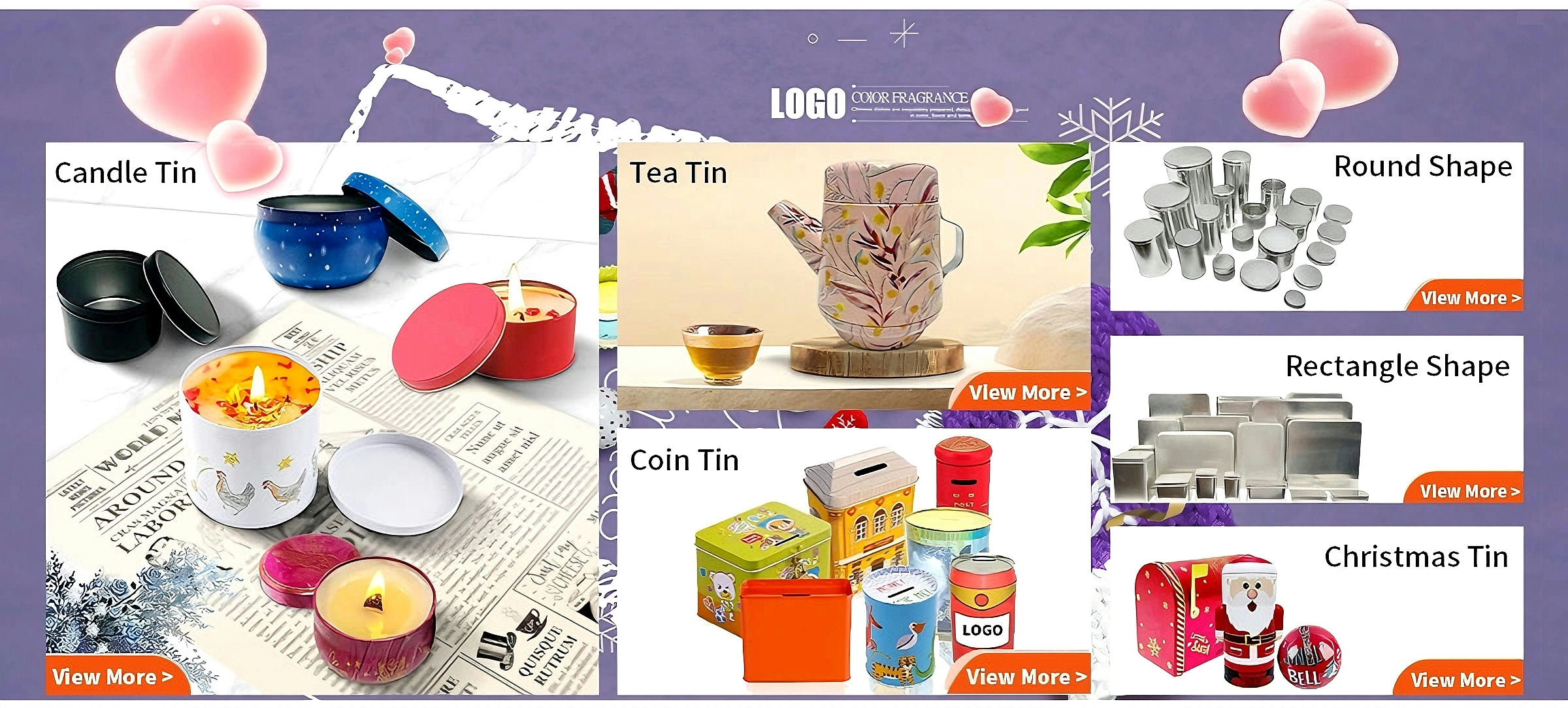
Tin metal is a popular choice for storage containers, decorative pieces, and vintage collectibles—think tin boxes for cookies, metal tins for candles. While tin is durable and resistant to rust, it can still accumulate dirt, tarnish. The good news is cleaning and your beloved tin boxes/metal tins is simple with gentle supplies you likely already have at home. Below is a clear, step-by-step guide to restore your tin items to their shiny best.
how to clean tin metal

In a world where we grab canned cookie, beans, and candy from supermarket shelves without a second thought, it’s easy to take the convenience of tin cans for granted. But have you ever wondered when this revolutionary food preservation method first began? Let’s dive into the history of tin cans and explore how they transformed the way we store and consume food.
when was food put into tin cans
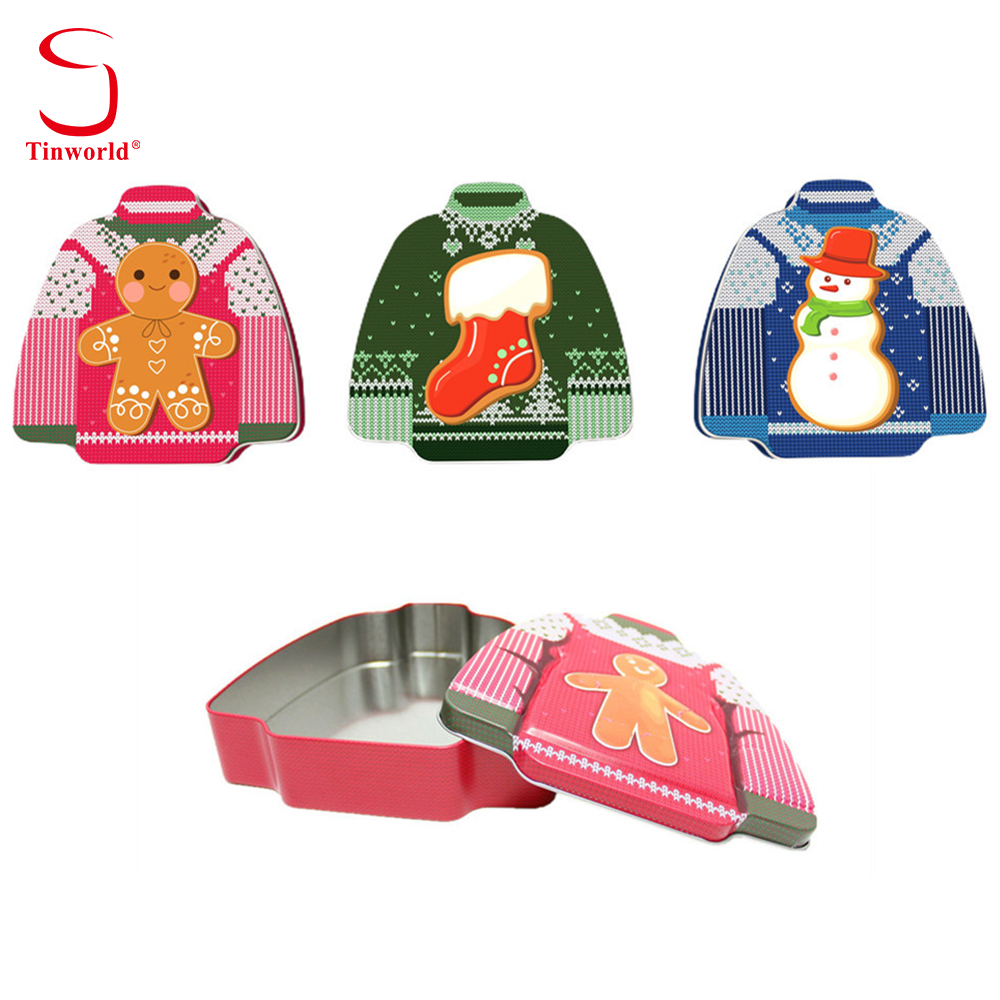
Whether you’re gifting homemade cookies for a holiday, birthday, or just to spread some joy, a beautifully wrapped cookie tin adds a special touch to your thoughtful gesture. In this guide, we’ll walk you through everything you need to know to achieve a polished, professional look.
how to wrap a cookie tin

In our daily lives, tin cans are ubiquitous—holding everything from canned coffee bean and tea, and even some food. As environmental awareness grows, many of us wonder: is this common packaging material recyclable? The short answer is yes, tin cans are highly recyclable, and their recycling process offers significant environmental and practical benefits. Let’s dive deeper into the world of tin can recycling, exploring why it matters, how it works, and the advantages of this versatile packaging.
is tin can recyclable