





are tin cans safe
author: Chen
2025-06-30

Are Tin Cans Safe? Unveiling the Truth Behind Your Everyday Packaging


In a world filled with countless packaging options, tin cans have long been a staple in households, supermarkets, and industries alike. From canned vegetables and beverages to various consumer goods, tin cans are everywhere. But a common question lingers in the minds of many consumers: are tin cans safe? In this comprehensive blog post, we'll delve deep into the world of tin cans, exploring their composition, potential risks, benefits, and everything in between, with a special focus on the versatile tin box.
The History and Composition of Tin Cans
A Glimpse into the Past
The history of tin cans dates back to the early 19th century. In 1810, Peter Durand patented the concept of preserving food in tin-coated iron cans, revolutionizing the food storage and preservation industry. At that time, the primary motivation behind the invention was to provide a reliable method for preserving food for the military and long sea voyages. Over the years, the production process of tin cans has evolved significantly, becoming more efficient and cost-effective.
What Are Tin Cans Made Of?
Contrary to what the name might suggest, modern "tin cans" are not actually made entirely of tin. Instead, they are primarily composed of steel, which is coated with a thin layer of tin. This tin coating serves multiple purposes. Firstly, it provides a protective barrier against corrosion, preventing the steel from rusting and ensuring the integrity of the can. Secondly, tin is a relatively inert metal, which means it has a low reactivity with most food and beverage products, reducing the risk of chemical reactions that could affect the taste or safety of the contents.
Tin boxes, on the other hand, can vary in composition. Some tin boxes are made from the same tin-coated steel as traditional tin cans, while others might use a combination of materials. For decorative or specialized tin boxes, additional materials like lacquers, inks, and sometimes even plastics or paper inserts could be incorporated to enhance their aesthetic appeal or functionality.
Potential Safety Concerns Associated with Tin Cans
Bisphenol A (BPA) and Other Chemical Coatings
One of the most significant concerns regarding the safety of tin cans is the presence of Bisphenol A (BPA). Many tin cans, especially those used for food and beverage storage, have an interior lining made of a polymer that often contains BPA. BPA is a chemical compound that has been used in the production of plastics and resins for decades. It is added to the can lining to create a barrier that prevents the contents from reacting with the metal and also helps to maintain the freshness and quality of the product.
However, studies have raised concerns about the potential health effects of BPA. BPA is an endocrine disruptor, which means it can interfere with the body's hormonal system. Exposure to BPA has been linked to various health issues, including reproductive problems, developmental disorders in children, and an increased risk of certain cancers. While regulatory bodies around the world have set limits on the amount of BPA that can be used in food packaging, some consumers are still wary of its presence in tin cans.
In response to these concerns, many manufacturers have started to develop BPA-free alternatives for can linings. These alternatives use different polymers or coatings that are designed to provide the same level of protection without the potential risks associated with BPA.
Metal Leaching
Another potential safety issue is metal leaching. Although tin is relatively inert, under certain conditions, small amounts of metal from the can, including tin and sometimes other elements present in the steel, could leach into the contents. This is more likely to occur when the can contains acidic foods or beverages, as the acid can react with the metal and cause it to dissolve at a slow rate.
The health implications of metal leaching from tin cans are still a subject of research. While the levels of metal that leach into food and beverages are generally considered to be low and within safe limits set by regulatory agencies, long-term exposure to these trace amounts of metals could potentially have cumulative effects on human health.
Microbial Contamination
Tin cans are designed to be airtight to preserve the contents and prevent microbial growth. However, if the seal of the can is compromised during manufacturing, storage, or transportation, it can allow bacteria, fungi, or other microorganisms to enter the can. This can lead to spoilage of the food or beverage and pose a risk to consumer health.
In the case of tin boxes, especially those used for non-food items, microbial contamination might not be as much of a concern. But if the tin box is used to store items that are sensitive to moisture or environmental factors, a damaged seal could still cause issues like rusting of the box itself or degradation of the stored items.
The Benefits of Tin Cans and Tin Boxes
Excellent Preservation Properties
One of the primary advantages of tin cans is their exceptional ability to preserve food and beverages. The airtight seal and the protective metal coating prevent oxygen, light, and moisture from reaching the contents, which helps to maintain the nutritional value, flavor, and texture of the product for an extended period. This makes tin cans an ideal choice for storing a wide range of products, from fruits and vegetables to soups and canned meats.
Tin boxes also offer good preservation capabilities for non-food items. They can protect items like candies, cookies, collectibles, and small electronics from dust, moisture, and physical damage, ensuring that the contents remain in good condition.
Durability and Reusability
Tin cans and tin boxes are incredibly durable. They can withstand rough handling during transportation and storage without easily denting or breaking. This durability not only protects the contents but also makes them suitable for reuse. Many people repurpose tin cans as planters, storage containers for small items, or even as parts of DIY crafts. Tin boxes, with their often attractive designs, are commonly reused to store jewelry, office supplies, or as decorative pieces around the house.
Environmental Friendliness
Tin cans and tin boxes are highly recyclable. Steel and tin are among the most recycled materials in the world. Recycling tin cans requires significantly less energy compared to producing new cans from raw materials. By recycling tin cans and boxes, we can reduce the demand for virgin metals, conserve natural resources, and minimize the environmental impact associated with metal mining and production.
Comparing Tin Cans with Other Packaging Options
Tin Cans vs. Plastic Packaging
When compared to plastic packaging, tin cans have several advantages. Tin cans are more durable and less likely to break or tear, providing better protection for the contents. They also do not contribute to the growing problem of plastic pollution in the environment. While plastic packaging can take hundreds of years to decompose in landfills or the ocean, tin cans can be recycled relatively quickly and efficiently.
However, plastic packaging is often lighter in weight, which can result in lower transportation costs and a reduced carbon footprint during shipping. Additionally, some types of plastic packaging can be made from recycled materials, although the recycling process for plastics is more complex and less efficient compared to tin cans.
Tin Cans vs. Glass Packaging
Glass packaging is another popular alternative to tin cans. Glass is a completely inert material, meaning it does not react with the contents and has no risk of metal leaching or chemical migration. It also provides excellent clarity, allowing consumers to see the product inside.
On the downside, glass is much heavier than tin cans, which increases transportation costs and the energy required for shipping. Glass is also more fragile and prone to breakage, which can lead to product loss and potential safety hazards during handling. Tin cans, with their durability, offer a more practical and cost-effective solution for many applications.
Ensuring the Safety of Tin Cans and Tin Boxes
Choosing the Right Products
When purchasing products in tin cans or tin boxes, it's important to choose items from reputable manufacturers. Look for products that clearly state their safety certifications and any information regarding the materials used, especially when it comes to food products. Opt for products with BPA-free linings if you're concerned about the potential health risks associated with BPA.
Proper Storage and Handling
Proper storage and handling of tin cans and tin boxes can also help ensure their safety. Store tin cans in a cool, dry place away from direct sunlight and extreme temperatures. Avoid stacking heavy objects on top of the cans to prevent denting or damage to the seal. For tin boxes, keep them in a clean environment and check the seals regularly if they are being used to store items that are sensitive to moisture or contaminants.
Recycling Responsibly
As mentioned earlier, recycling tin cans and tin boxes is crucial for both the environment and resource conservation. Make sure to clean the cans and boxes thoroughly before recycling to remove any food or product residue. Many communities have recycling programs specifically for metal packaging, so be sure to follow the local guidelines for proper disposal.
In conclusion, while there are some potential safety concerns associated with tin cans, such as the presence of BPA and metal leaching, the overall safety of tin cans and tin boxes can be ensured through proper manufacturing practices, product selection, and consumer awareness. When used and recycled responsibly, tin cans and tin boxes offer a reliable, durable, and environmentally friendly packaging solution that has stood the test of time. Whether you're enjoying a can of your favorite soda or using a beautiful tin box to store your treasures, you can have confidence in the safety and functionality of these versatile packaging options.
are tin cans made of tin
where to buy tin cans
Related Article
Tin metal is a popular choice for storage containers, decorative pieces, and vintage collectibles—think tin boxes for cookies, metal tins for candles. While tin is durable and resistant to rust, it can still accumulate dirt, tarnish. The good news is cleaning and your beloved tin boxes/metal tins is simple with gentle supplies you likely already have at home. Below is a clear, step-by-step guide to restore your tin items to their shiny best.
how to clean tin metal

In a world where we grab canned cookie, beans, and candy from supermarket shelves without a second thought, it’s easy to take the convenience of tin cans for granted. But have you ever wondered when this revolutionary food preservation method first began? Let’s dive into the history of tin cans and explore how they transformed the way we store and consume food.
when was food put into tin cans
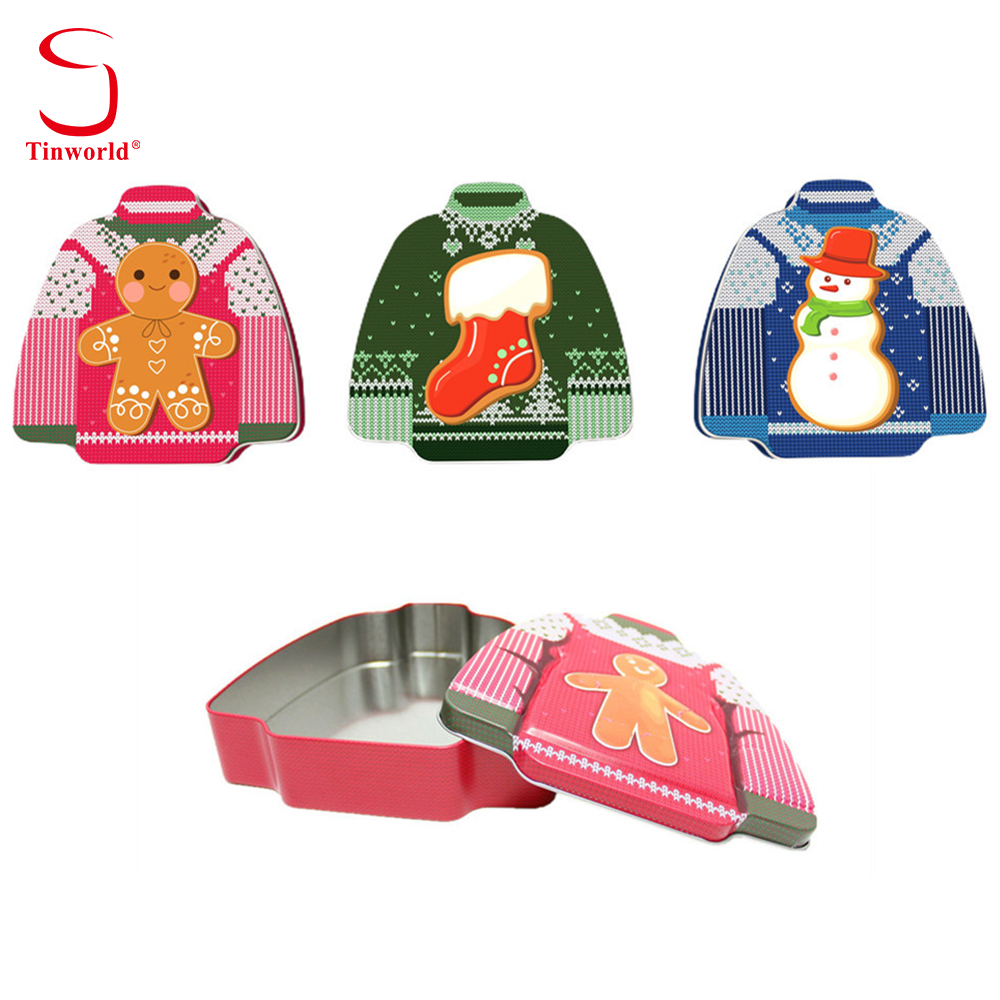
Whether you’re gifting homemade cookies for a holiday, birthday, or just to spread some joy, a beautifully wrapped cookie tin adds a special touch to your thoughtful gesture. In this guide, we’ll walk you through everything you need to know to achieve a polished, professional look.
how to wrap a cookie tin
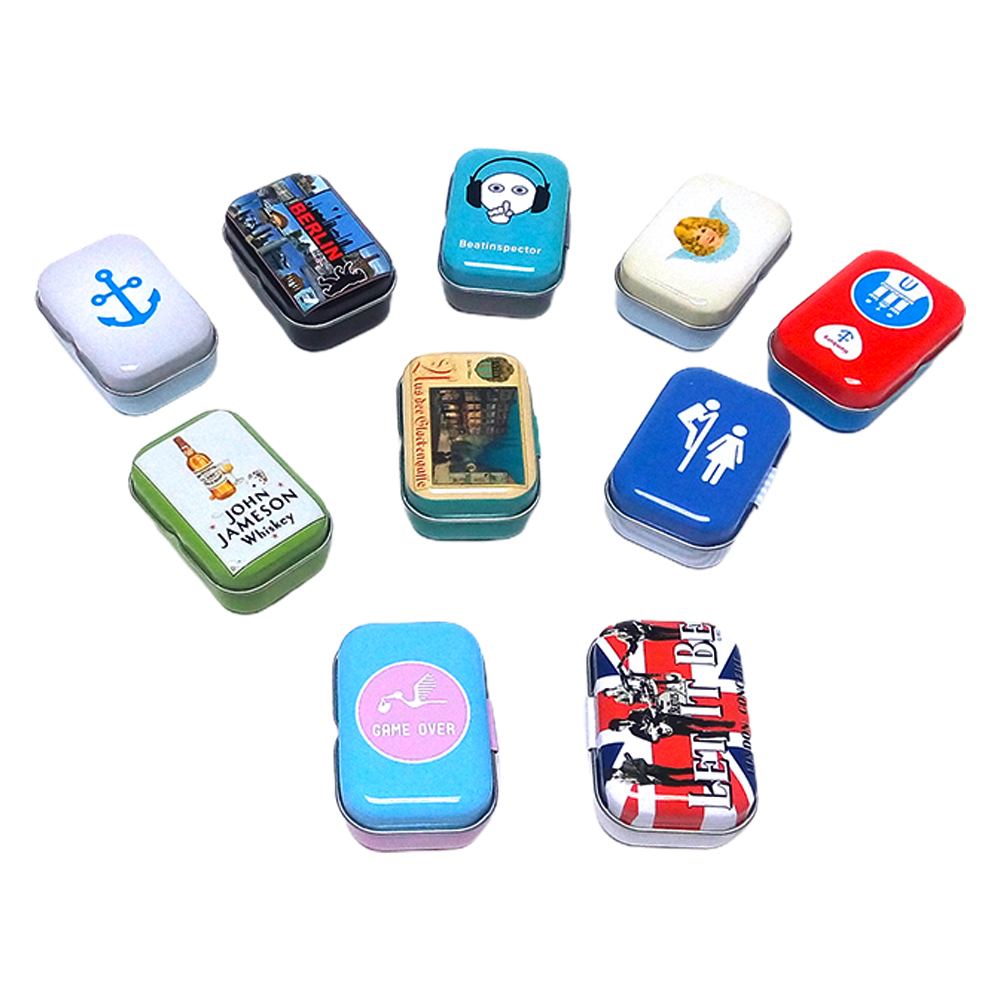
In our daily lives, tin cans are ubiquitous—holding everything from canned coffee bean and tea, and even some food. As environmental awareness grows, many of us wonder: is this common packaging material recyclable? The short answer is yes, tin cans are highly recyclable, and their recycling process offers significant environmental and practical benefits. Let’s dive deeper into the world of tin can recycling, exploring why it matters, how it works, and the advantages of this versatile packaging.
is tin can recyclable