






are tin cans made of tin
author: Chen
2025-07-02
Are Tin Cans Made of Tin? Unveiling the Truth Behind This Common Misconception


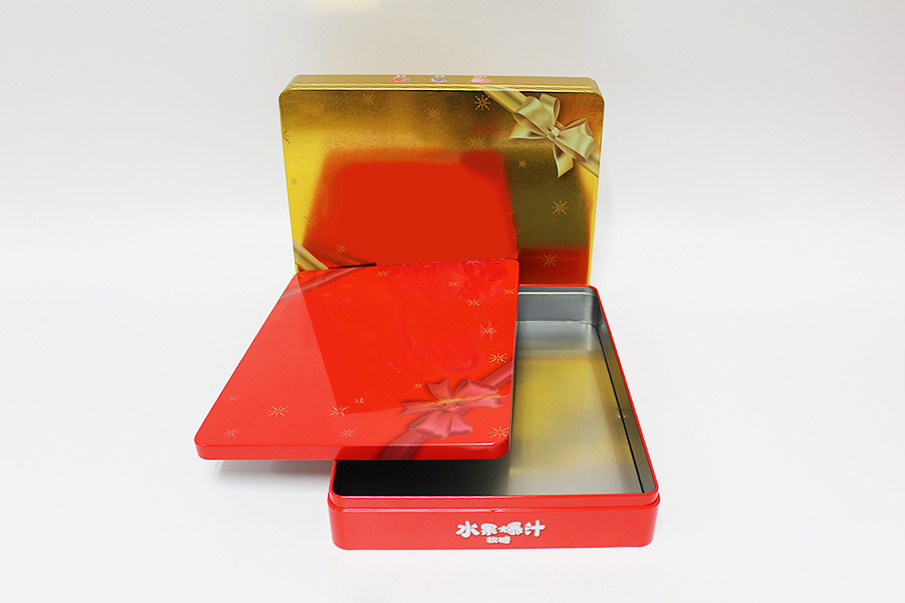
Walk into any pantry, grocery store aisle, or kitchen cupboard, and you’ll likely spot rows of cylindrical containers labeled “tin cans.” From canned beans and soups to confectionery biscuits, these containers are a staple of modern food storage.But here’s a question that might have crossed your mind: Are tin cans actually made of tin?
The name itself suggests a straightforward answer, but as with many everyday items, the reality is more nuanced. In this blog, we’ll dive into the composition of tin cans, explore the role of tin in their construction, trace their historical evolution, and uncover why the name persists despite modern manufacturing changes. Let’s settle the debate once and for all.
The Short Answer: No, Most “Tin Cans” Aren’t Made Entirely of Tin
If you were to guess the primary material of a tin can based on its name, you’d probably say tin. However, the majority of tin cans today are made primarily of steel. Tin plays a role, but it’s not the main component.
Steel is strong, durable, and relatively inexpensive, making it an ideal base for containers that need to protect food from external elements (like air, moisture, and bacteria) while withstanding the rigors of transportation and storage. But steel has a major flaw: it rusts. Exposed to oxygen and water, steel corrodes quickly, which would ruin the food inside. That’s where tin comes in.
The Role of Tin in “Tin Cans”: A Protective Coating
While steel forms the structural core of most tin cans, tin is used as a thin coating on the steel’s surface. This coating serves two critical purposes:
1. Preventing Rust and Corrosion
Tin is highly resistant to oxidation, meaning it doesn’t rust when exposed to air or water. By coating steel with a thin layer of tin, manufacturers create a barrier that protects the steel from moisture and oxygen. This prevents rust from forming on the can’s interior, which would contaminate the food and compromise its shelf life.
2. Ensuring Food Safety
Tin is non-reactive with most foods, even acidic ones like tomatoes or citrus fruits. This is crucial because some metals (like uncoated steel) can react with food, altering its taste, texture, or safety. The tin coating acts as a neutral barrier, ensuring the food inside remains fresh and untainted.
So, in essence, a “tin can” is better described as a tin-plated steel can. The tin is a protective layer, not the main material.
A Brief History: When Tin Cans Were Made of Tin
The term “tin can” isn’t a complete misnomer—it has historical roots. The first practical canning process was developed in the early 19th century, and early cans were often made of solid tin.
The Birth of Canning: A Race to Preserve Food
In 1809, French inventor Nicolas Appert developed a method to preserve food by sealing it in glass jars and heating them—this was the birth of canning. However, glass jars were fragile and unsuitable for military use, which was a priority at the time (Napoleon Bonaparte even offered a prize for a better food preservation method).
A few years later, in 1810, British merchant Peter Durand patented a process using tin-plated iron cans (iron being a precursor to modern steel). These early cans were thick, heavy, and made by hand. The tin plating was essential because iron rusts easily, but tin’s corrosion resistance made it a viable option.
Over time, as steel production became more efficient and affordable, manufacturers shifted from iron to steel as the base material, but the tin coating remained a standard feature. The name “tin can” stuck, even as the composition evolved.
Modern Variations: Not All Cans Use Tin Coating
While tin-plated steel is still common, modern manufacturing has introduced alternatives to tin coating, depending on the can’s intended use.
1. Electroplated Tin vs. Other Coatings
Traditional tin cans use electroplating to apply a thin layer of tin to the steel. This process involves passing an electric current through a solution containing tin ions, which bond to the steel surface. The thickness of the tin layer can vary, but it’s typically just a few micrometers thick—enough to protect the steel without adding significant cost or weight.
2. Epoxy and Polymer Coatings: A Tin-Free Alternative
For certain types of food, especially highly acidic ones (like tomatoes) or those with high salt content, manufacturers sometimes use epoxy or polymer coatings instead of tin. These synthetic coatings are even more resistant to chemical reactions with food, ensuring longer shelf life and better preservation.
Cans with these coatings are still made of steel but lack the tin layer entirely. However, they’re still often referred to as “tin cans” out of habit.
3. Aluminum Cans: A Different Material Altogether
While not technically “tin cans,” aluminum cans are worth mentioning here. Aluminum is lightweight, corrosion-resistant, and doesn’t require a tin coating. It’s commonly used for beverages (like soda and beer) but less so for canned foods. Despite this, people may still colloquially call aluminum cans “tin cans,” further blurring the lines.
Why Do We Still Call Them “Tin Cans”?
Given that most cans are steel with (or without) a tin coating, why hasn’t the name changed? There are a few reasons:
1. Historical Inertia
Language is slow to evolve, especially when it comes to everyday items. The term “tin can” became popular during the 19th century when tin was a prominent part of the can’s construction. Even as materials shifted, the name remained familiar and easy to remember.
2. Simplicity and Recognition
“Tin can” is a short, catchy phrase. “Steel can with a tin coating” is far less memorable. Brands, marketers, and consumers alike have stuck with the simpler term for convenience.
3. Cultural References
Tin cans have woven themselves into popular culture—think of tin can telephones, tin can alley at carnivals, or the phrase “kicking the tin can.” These references reinforce the name, making it feel timeless.
The Environmental Impact: Tin vs. Other Materials
When considering the sustainability of tin cans, it’s important to look at both the steel base and the tin coating:
- Steel: Steel is one of the most recycled materials in the world, with a high recycling rate. Recycled steel uses less energy than producing new steel, making it an eco-friendly choice.
- Tin: Tin is a relatively rare metal, but it’s also recyclable. The thin tin coating on cans can be recovered during the steel recycling process, reducing waste.
Alternatives like epoxy coatings have their own environmental considerations, as some polymers are derived from fossil fuels and may not be biodegradable. However, advancements in eco-friendly coatings are ongoing.
Conclusion: The Name Sticks, But the Material Tells a Different Story
So, to circle back to our original question: Are tin cans made of tin? No, but they often contain tin in the form of a protective coating on a steel base. The name “tin can” is a holdover from the early days of canning, when tin-plated iron was the standard. Today, steel is the star, with tin (or other coatings) playing a supporting role in keeping food safe and fresh.
how to cut tin cans
are tin cans safe
Related Article
Tin metal is a popular choice for storage containers, decorative pieces, and vintage collectibles—think tin boxes for cookies, metal tins for candles. While tin is durable and resistant to rust, it can still accumulate dirt, tarnish. The good news is cleaning and your beloved tin boxes/metal tins is simple with gentle supplies you likely already have at home. Below is a clear, step-by-step guide to restore your tin items to their shiny best.
how to clean tin metal

In a world where we grab canned cookie, beans, and candy from supermarket shelves without a second thought, it’s easy to take the convenience of tin cans for granted. But have you ever wondered when this revolutionary food preservation method first began? Let’s dive into the history of tin cans and explore how they transformed the way we store and consume food.
when was food put into tin cans
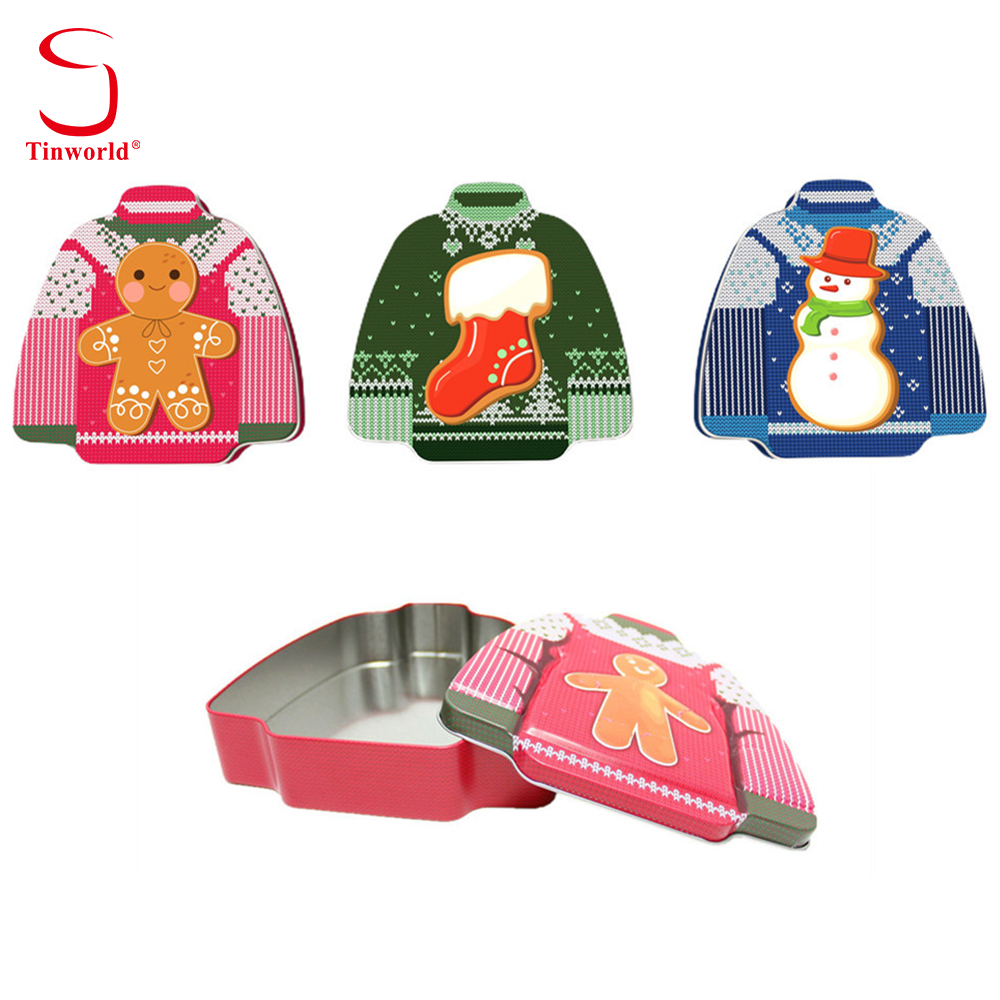
Whether you’re gifting homemade cookies for a holiday, birthday, or just to spread some joy, a beautifully wrapped cookie tin adds a special touch to your thoughtful gesture. In this guide, we’ll walk you through everything you need to know to achieve a polished, professional look.
how to wrap a cookie tin
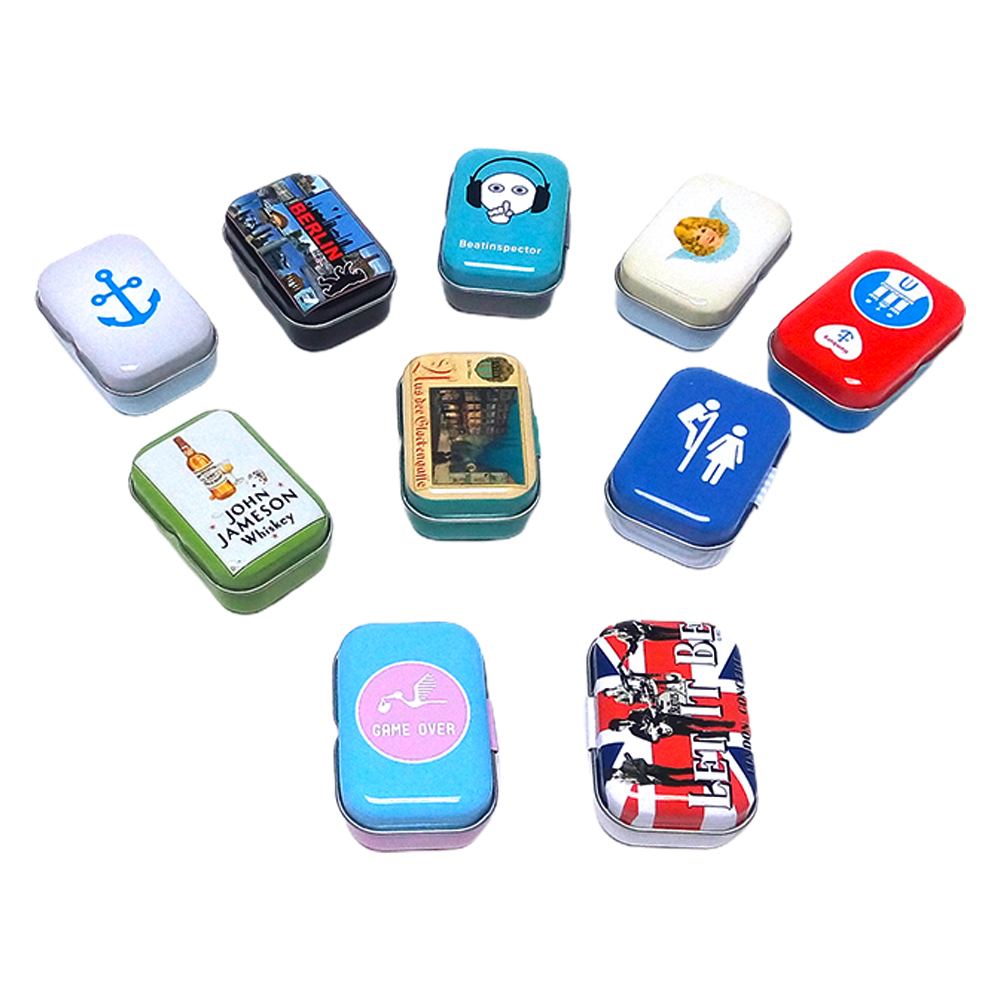
In our daily lives, tin cans are ubiquitous—holding everything from canned coffee bean and tea, and even some food. As environmental awareness grows, many of us wonder: is this common packaging material recyclable? The short answer is yes, tin cans are highly recyclable, and their recycling process offers significant environmental and practical benefits. Let’s dive deeper into the world of tin can recycling, exploring why it matters, how it works, and the advantages of this versatile packaging.
is tin can recyclable