







are cookie tins recyclable
author: Chen
2025-07-23
Are Cookie Tins Recyclable? A Comprehensive Guide
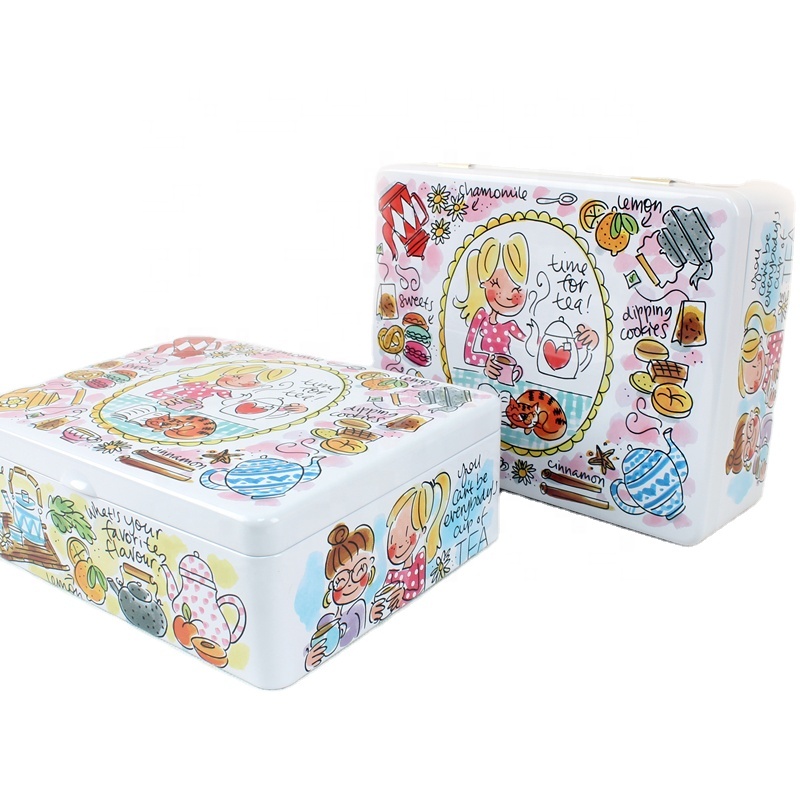

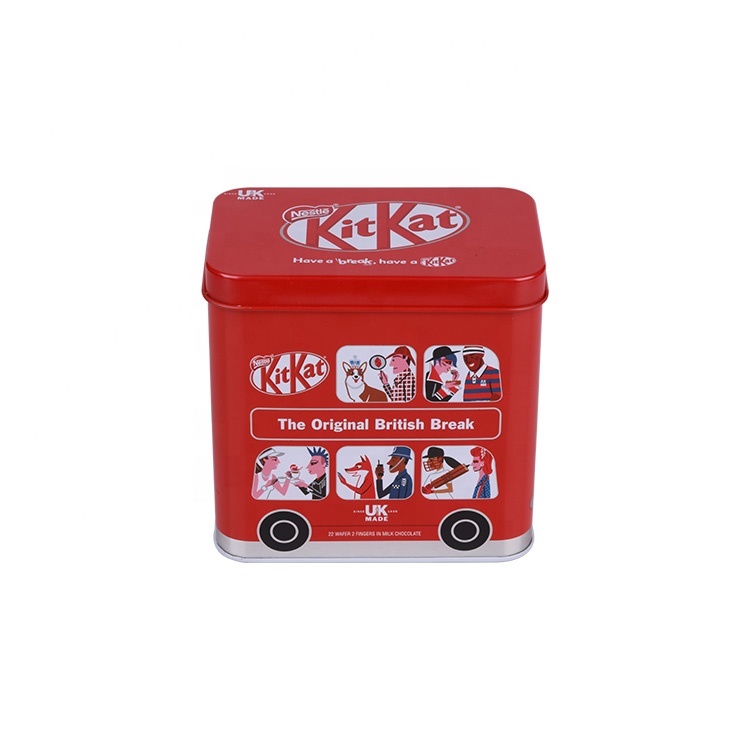
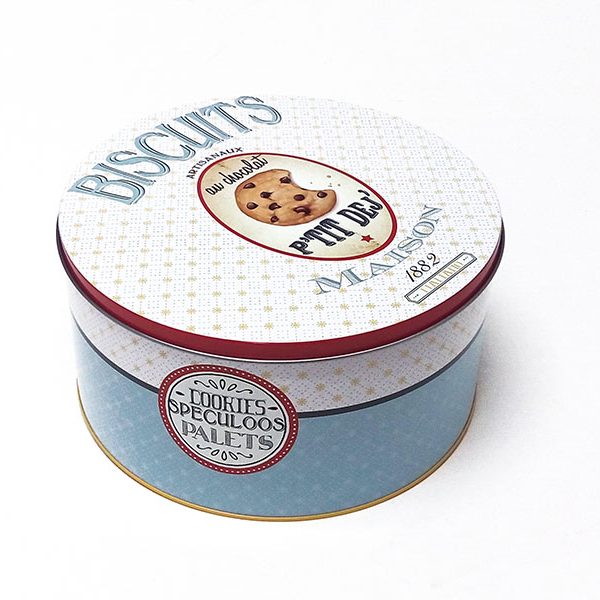
If you’ve ever found yourself staring at an empty cookie tin after devouring its sweet contents, you might have wondered: Can this be recycled? Cookie tins are a common household item, often used for storing treats during holidays or as decorative containers long after the cookies are gone. But when it comes to sustainability, understanding their recyclability is key. In this blog, we’ll explore whether cookie tins are recyclable, how they compare to regular tin cans, and what steps you can take to dispose of them responsibly.
Understanding Cookie Tins: What Are They Made Of?
Before diving into recyclability, it’s important to know what cookie tins are made of. Most cookie tins are constructed from tin-plated steel (also known as “tin cans” in a broader sense). This means the base material is steel, coated with a thin layer of tin to prevent rusting and give the tin a shiny, attractive finish.
This composition is similar to many other food cans—like those used for coffee beans, loose tea, or other food. However, cookie tins often differ in one key way: they may have additional decorative elements, such as paint, labels, or even plastic handles. These extras can affect whether the tin is fully recyclable.
So, Are Cookie Tins Recyclable?
The short answer is: Yes, most cookie tins are recyclable—but with some caveats.
Since the primary material is steel (with a thin tin coating), both metals are recyclable. Steel is one of the most widely recycled materials globally, with high recycling rates and well-established processes. The tin coating is also recyclable and doesn’t interfere with the recycling of steel; in fact, it’s often recovered and reused during the recycling process.
However, the decorative elements on cookie tins can complicate things. For example:
- Paint or ink: Many cookie tins have colorful designs painted or printed on their surfaces. While small amounts of paint are generally acceptable in steel recycling (as they burn off during the melting process), excessive or specialized coatings might be problematic.
- Plastic parts: Some tins have plastic handles, hinges, or latches. These non-metal components must be removed before recycling, as they can contaminate the steel recycling stream.
- Labels: Paper or plastic labels should be peeled off if possible, though small amounts of adhesive are usually not a deal-breaker for recyclers.
How Do Cookie Tins Compare to Regular Tin Cans?
You might be wondering: If cookie tins are made of tin-plated steel, are they the same as regular tin cans? In terms of recyclability, they’re quite similar, but there are a few differences:
Similarities:
- Both are primarily steel with a tin coating, making them recyclable in most curbside recycling programs.
- Both require cleaning (to remove food residue) before recycling.
Differences:
- Design complexity: Cookie tins are often more ornate, with hinges, lids that fit tightly, or decorative shapes. These features don’t make them non-recyclable, but they may require extra preparation (like removing non-metal parts).
- Size and shape: Regular tin cans are typically cylindrical and uniform, which makes them easier to process in recycling facilities. Cookie tins, on the other hand, can be square, rectangular, or irregularly shaped, but this doesn’t prevent them from being recycled.
Steps to Recycle Cookie Tins Properly
To ensure your cookie tins are recycled correctly, follow these simple steps:
1. Empty and Clean the Tin
First, make sure the tin is completely empty. Remove any remaining crumbs or food residue—this is important because food contamination can ruin a batch of recyclables. Rinse the tin with warm water if needed, but avoid using harsh detergents (they’re unnecessary and can be harmful to the recycling process).
2. Remove Non-Metal Components
Check the tin for any plastic parts, such as handles, latches, or stickers. These should be removed and disposed of properly. Plastic handles, for example, are not recyclable with steel and can contaminate the recycling stream. If the tin has a paper label, you can leave it on (most recycling facilities can process it), but peeling it off is fine too.
3. Check Your Local Recycling Guidelines
While most curbside recycling programs accept steel/tin cans (including cookie tins), it’s always a good idea to check your local guidelines. Some programs may have specific rules about odd-shaped containers or decorative tins. If you’re unsure, contact your local waste management authority for clarification.
4. Place in the Correct Recycling Bin
Once cleaned and prepped, place the cookie tin in your regular curbside recycling bin—usually the same one used for aluminum cans, steel cans, and other metal recyclables. If your area has separate bins for metals, make sure to put it in the steel/tin can bin.
What If Your Cookie Tin Isn’t Recyclable? Alternatives to Recycling
In some cases, a cookie tin might not be suitable for recycling—for example, if it has excessive plastic components that can’t be removed, or if it’s heavily damaged (crushed beyond recognition, though even crushed steel is often recyclable). In these situations, consider these alternatives:
- Reuse the tin: Cookie tins make excellent storage containers for small items like craft supplies, office supplies, or even leftover snacks. Their durable design and attractive appearance make them perfect for repurposing around the house.
- Donate it: If the tin is in good condition, consider donating it to a charity, school, or community group. They might use it for storage or as part of a craft project.
- Upcycle it: Get creative! Turn the tin into a planter, a gift box, or a decorative piece for your home. Upcycling gives the tin a new life and keeps it out of landfills.
Conclusion: Cookie Tins Are Recyclable—With a Little Effort
Cookie tins, made primarily of tin-plated steel, are recyclable in most curbside programs. By taking the time to clean them, remove non-metal parts, and check local guidelines, you can ensure they’re processed correctly. If recycling isn’t an option, reusing or upcycling these tins is a great way to extend their lifespan and reduce waste.
Next time you finish a batch of cookies, remember: that tin doesn’t have to go to waste. With a little effort, it can be part of the recycling loop or find a new purpose in your home.
do cookie tins keep cookies fresh
what metal is tin
Related Article
Tin metal is a popular choice for storage containers, decorative pieces, and vintage collectibles—think tin boxes for cookies, metal tins for candles. While tin is durable and resistant to rust, it can still accumulate dirt, tarnish. The good news is cleaning and your beloved tin boxes/metal tins is simple with gentle supplies you likely already have at home. Below is a clear, step-by-step guide to restore your tin items to their shiny best.
how to clean tin metal

In a world where we grab canned cookie, beans, and candy from supermarket shelves without a second thought, it’s easy to take the convenience of tin cans for granted. But have you ever wondered when this revolutionary food preservation method first began? Let’s dive into the history of tin cans and explore how they transformed the way we store and consume food.
when was food put into tin cans
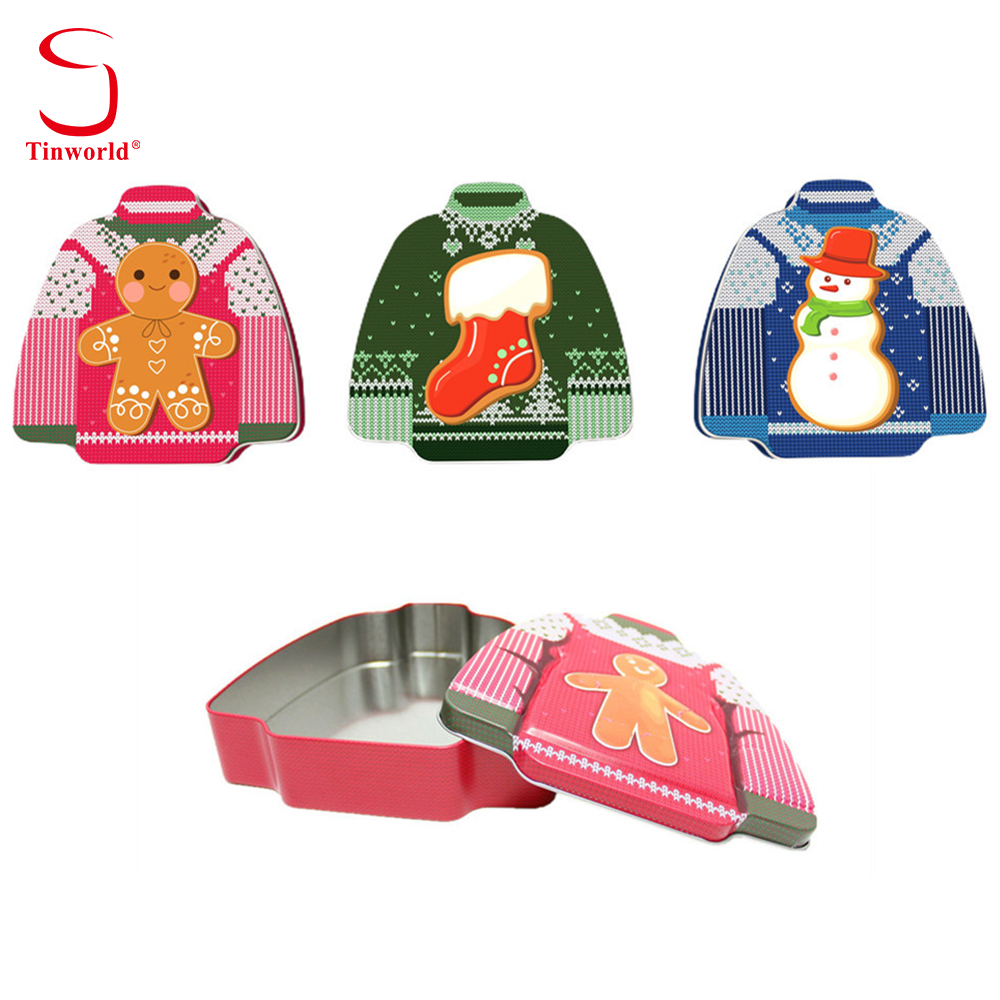
Whether you’re gifting homemade cookies for a holiday, birthday, or just to spread some joy, a beautifully wrapped cookie tin adds a special touch to your thoughtful gesture. In this guide, we’ll walk you through everything you need to know to achieve a polished, professional look.
how to wrap a cookie tin

In our daily lives, tin cans are ubiquitous—holding everything from canned coffee bean and tea, and even some food. As environmental awareness grows, many of us wonder: is this common packaging material recyclable? The short answer is yes, tin cans are highly recyclable, and their recycling process offers significant environmental and practical benefits. Let’s dive deeper into the world of tin can recycling, exploring why it matters, how it works, and the advantages of this versatile packaging.
is tin can recyclable