



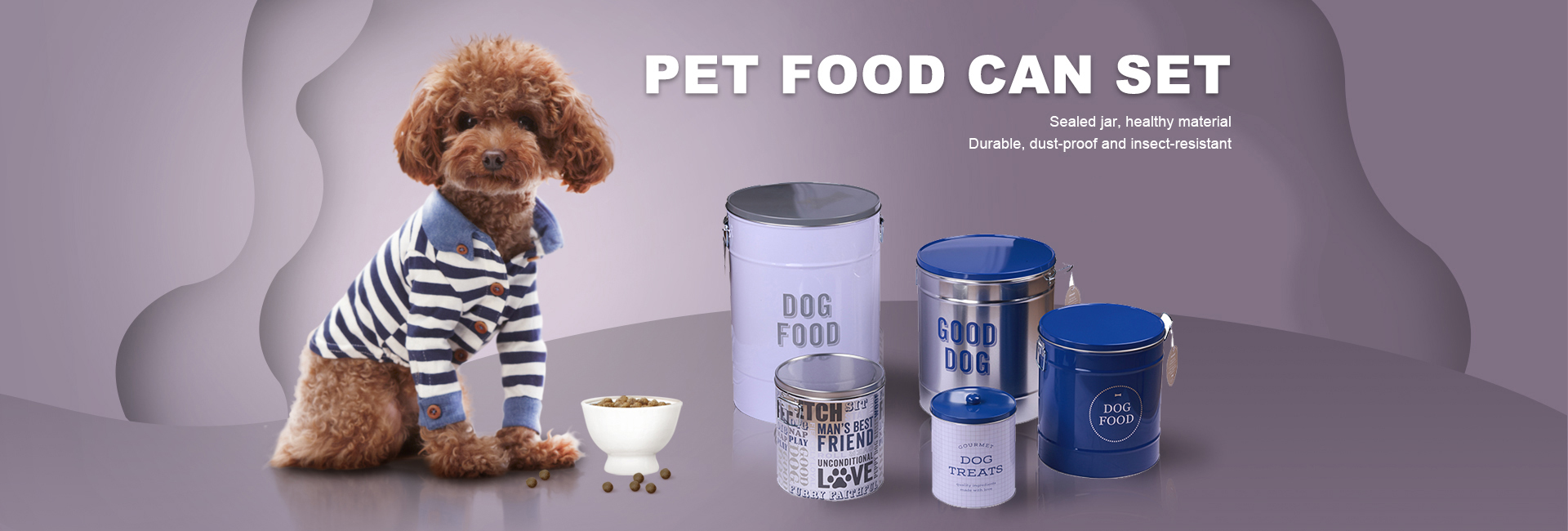
a metal tin
author: Chen
2025-07-10
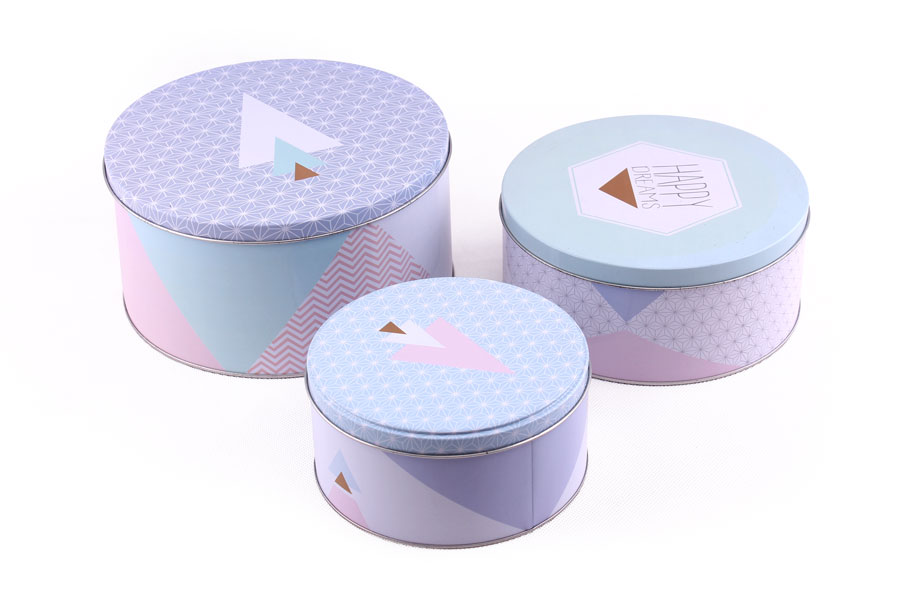
A Metal Tin: More Than Just Containers


Walk into any pantry, kitchen cabinet, or even a craft room, and you’re likely to spot a metal tin or two. These humble containers, often referred to as tin boxes or metal cans, have been a staple in households and industries for decades. But what makes them so enduring? Let’s dive into the world of metal tins, exploring their design, advantages, and the countless ways they’re used in our daily lives.
Understanding Metal Tins: Tin Boxes vs. Metal Cans
At first glance, tin boxes and metal cans might seem interchangeable, but there are subtle differences that set them apart.
Tin Boxes: Sturdy and Stylish
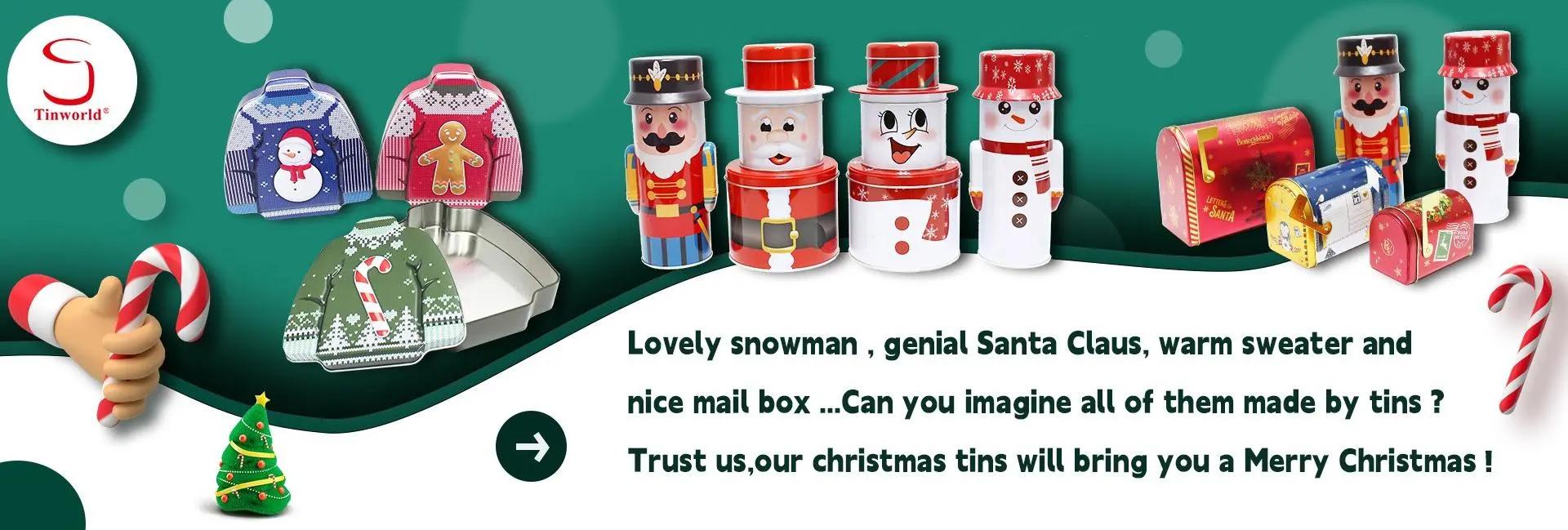
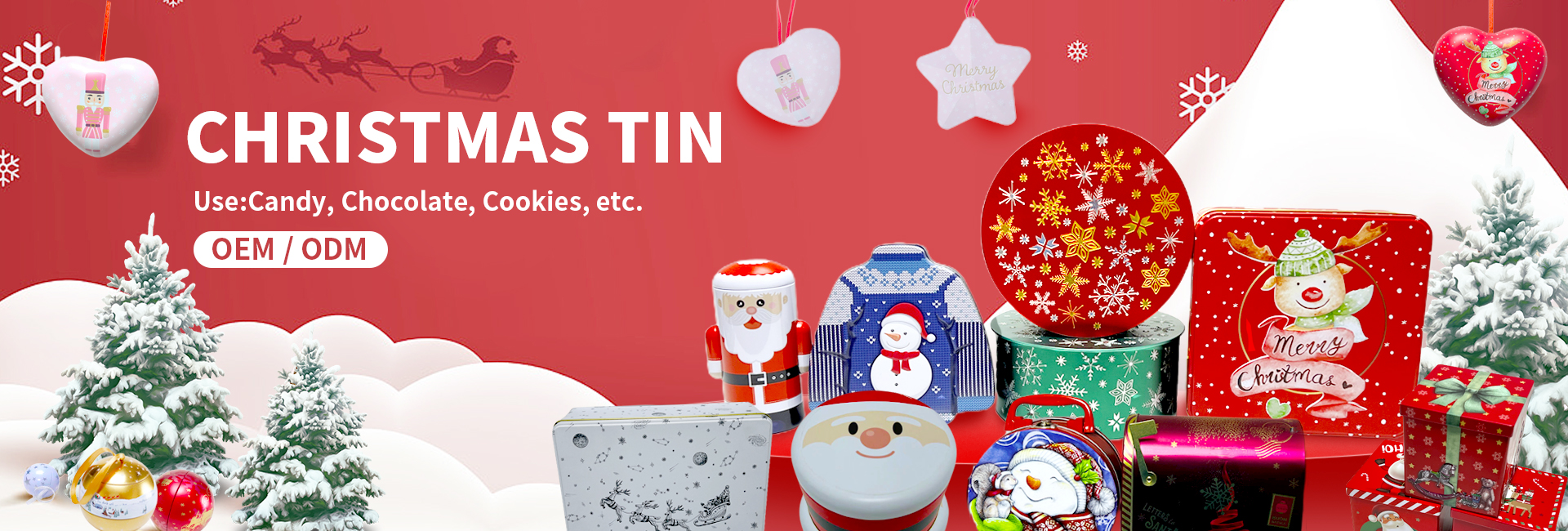
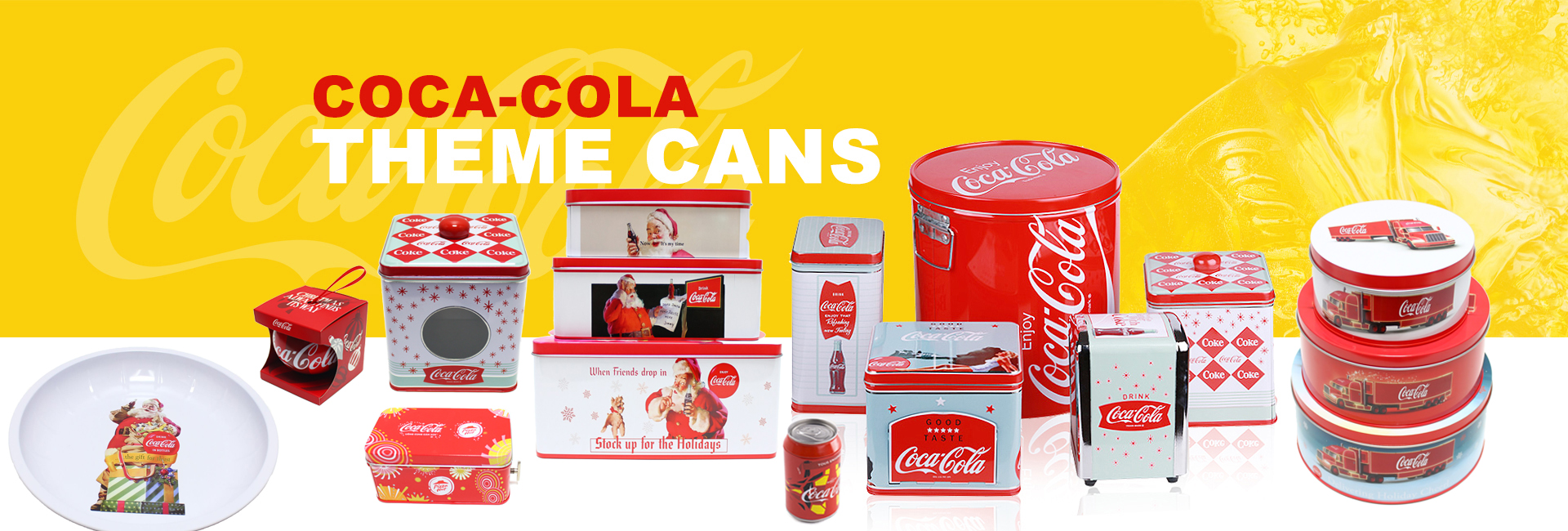
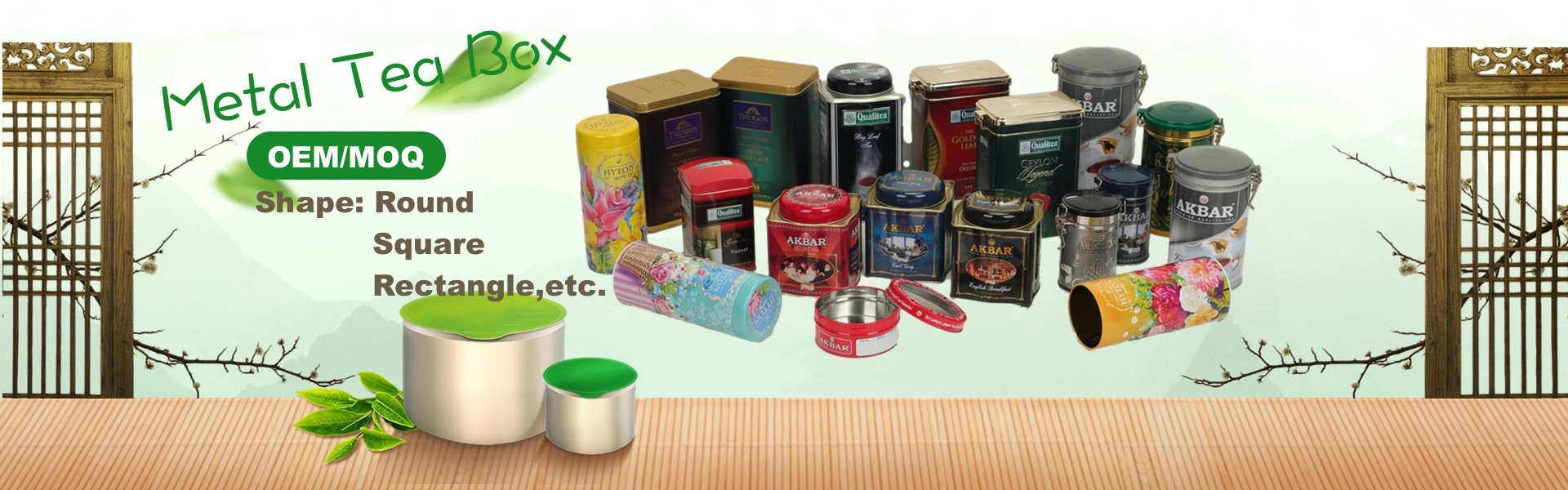
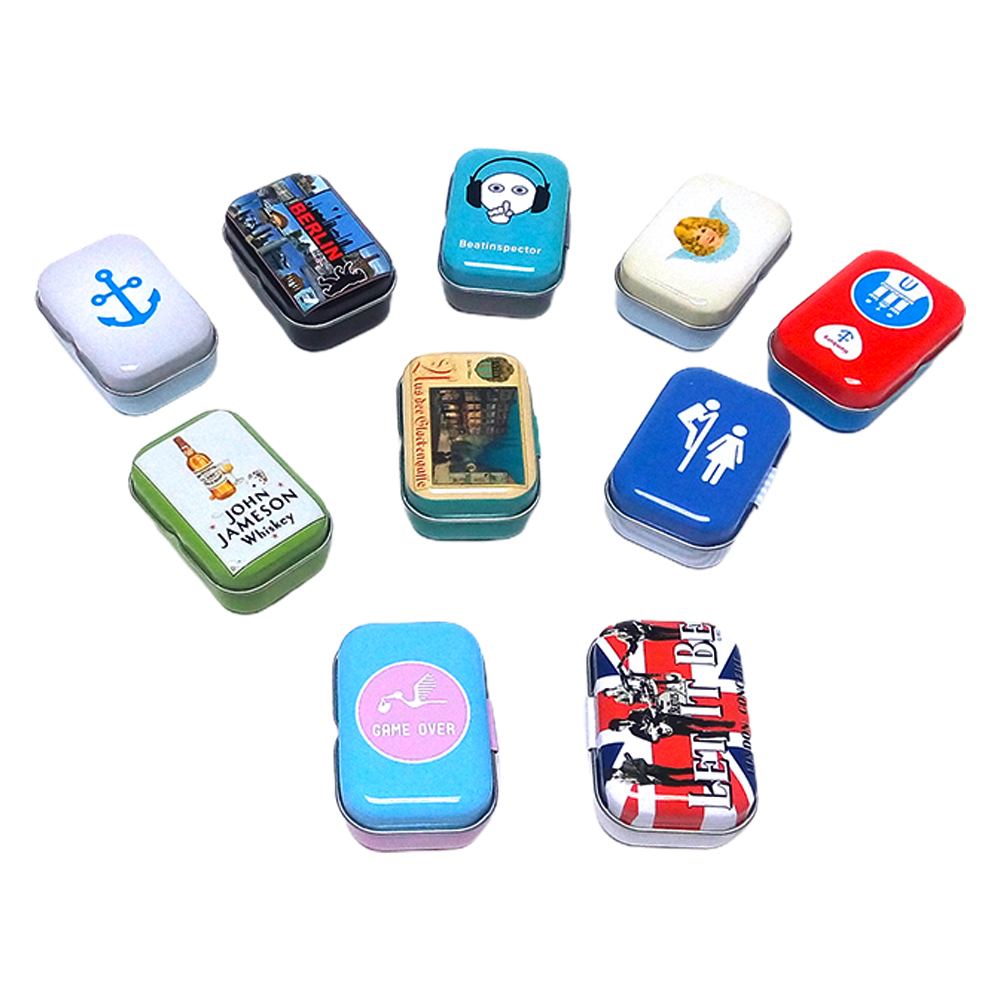
Tin boxes are typically made from thin sheets of steel coated with tin, a process known as tinplating. This coating gives them a smooth, shiny finish and adds a layer of protection against rust. They come in various shapes—squares, rectangles, rounds—and are often designed with decorative prints, making them ideal for storing items that need a touch of flair.
Metal Cans: Durable and Functional
Metal cans, on the other hand, are usually made from aluminum or steel (with or without a tin coating) and are often cylindrical in shape. They’re designed for durability and are commonly used for preserving food and beverages. Unlike tin boxes, which are often reusable, some metal cans are single-use, though many are now being designed for recycling or repurposing.
The Unbeatable Advantages of Metal Tins
Why have metal tins remained popular for so long? Their advantages are hard to ignore:
- Durability: Metal is far more robust than plastic or paperboard. It can withstand drops, pressure, and extreme temperatures, making it perfect for protecting contents during transportation or storage.
- Protection: Metal tins create an airtight and lightproof seal, which is crucial for preserving food, spices, or even cosmetics. This seal keeps oxygen and moisture out, extending the shelf life of the items inside.
- Recyclability: Both tin boxes and metal cans are highly recyclable. Steel and aluminum can be melted down and reused repeatedly without losing their quality, making them an eco-friendly choice compared to single-use plastics.
- Reusability: Unlike many plastic containers that crack or warp over time, metal tins are built to last. They can be repurposed for storing crafts, jewelry, office supplies, or even as decorative pieces, reducing waste.
Where Metal Tins Shine: Common Applications
The versatility of metal tins means they’re used in a wide range of industries and settings:
Food and Beverage Industry
Metal cans are a cornerstone of food preservation. Their airtight seal ensures that food stays fresh for months, if not years, without the need for refrigeration. Tin boxes, meanwhile, are popular for storing cookies, candies, teas, and spices, adding a touch of elegance to kitchen shelves.
Beauty and Personal Care
Many cosmetic brands use tin boxes to package lip balms, candles, bath salts, and skincare products. The metal protects delicate formulas from light and heat, and the stylish designs make them great for gifting or display.
Crafts and Storage
Crafters love tin boxes for organizing small supplies like beads, buttons, and needles. Their durable construction also makes them ideal for storing tools, hardware, or even small toys, keeping spaces tidy and clutter-free.
Gifting and Branding
Tin boxes are a favorite for gift packaging. Whether filled with chocolates, gourmet snacks, or homemade treats, their attractive designs make them feel special. Businesses also use custom-printed tin boxes to promote their brands, as they’re reusable and leave a lasting impression.
Conclusion: The Timeless Appeal of Metal Tins
From preserving food to organizing our lives and adding a touch of style, metal tins—whether in the form of tin boxes or metal cans—prove that functionality and versatility can go hand in hand. Their durability, recyclability, and endless uses ensure that they’ll remain a part of our daily lives for years to come. So the next time you reach for a metal tin, take a moment to appreciate the simple yet effective design that has stood the test of time.
what metal is tin
how to cut tin cans
Related Article
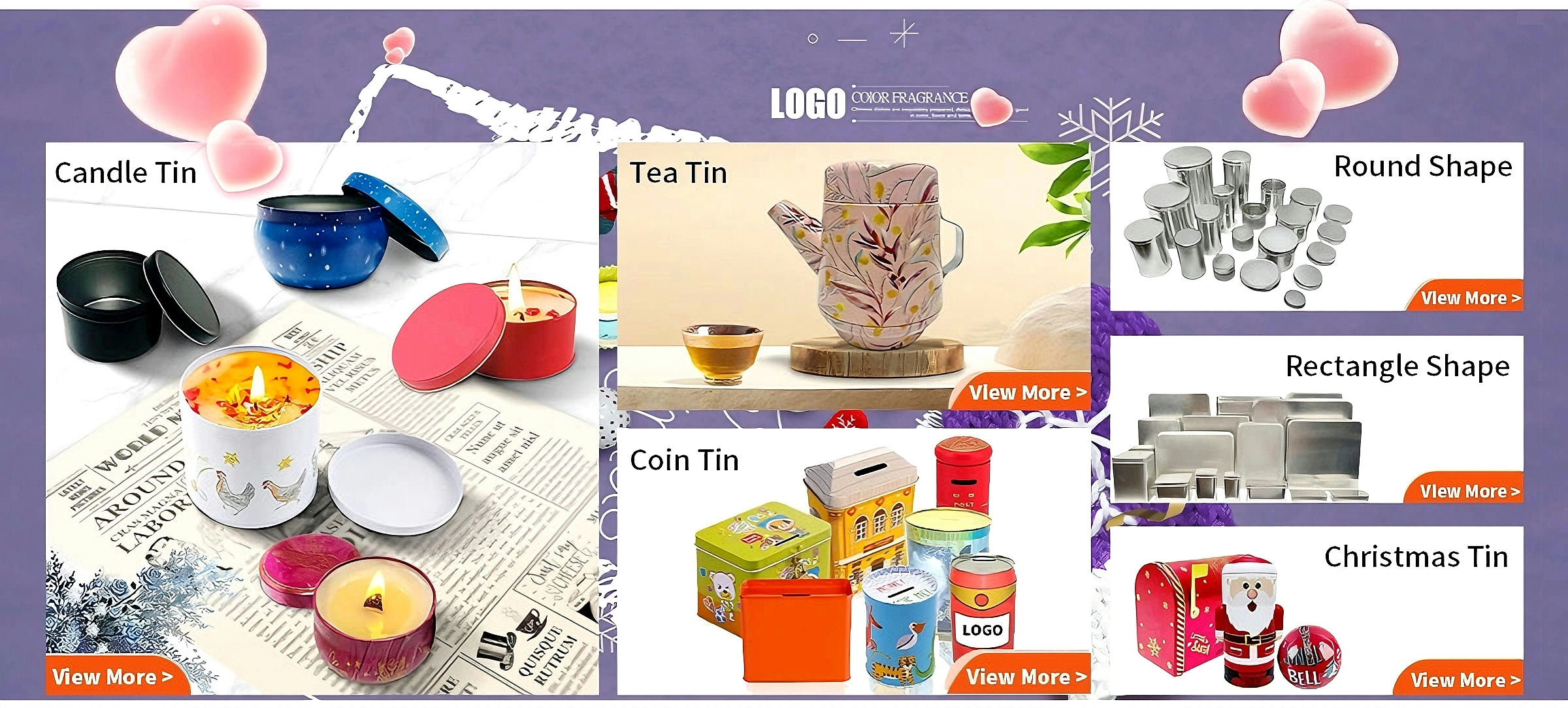
Tin metal is a popular choice for storage containers, decorative pieces, and vintage collectibles—think tin boxes for cookies, metal tins for candles. While tin is durable and resistant to rust, it can still accumulate dirt, tarnish. The good news is cleaning and your beloved tin boxes/metal tins is simple with gentle supplies you likely already have at home. Below is a clear, step-by-step guide to restore your tin items to their shiny best.
how to clean tin metal

In a world where we grab canned cookie, beans, and candy from supermarket shelves without a second thought, it’s easy to take the convenience of tin cans for granted. But have you ever wondered when this revolutionary food preservation method first began? Let’s dive into the history of tin cans and explore how they transformed the way we store and consume food.
when was food put into tin cans
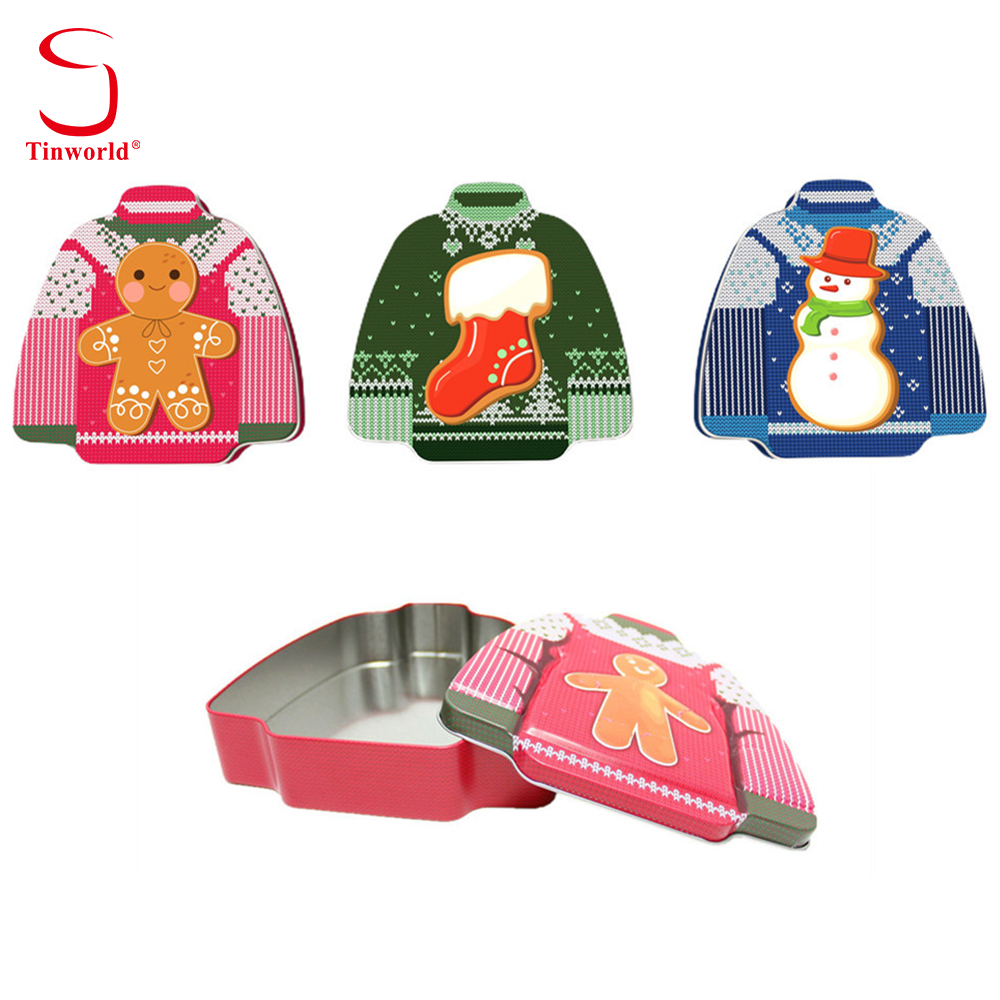
Whether you’re gifting homemade cookies for a holiday, birthday, or just to spread some joy, a beautifully wrapped cookie tin adds a special touch to your thoughtful gesture. In this guide, we’ll walk you through everything you need to know to achieve a polished, professional look.
how to wrap a cookie tin
In our daily lives, tin cans are ubiquitous—holding everything from canned coffee bean and tea, and even some food. As environmental awareness grows, many of us wonder: is this common packaging material recyclable? The short answer is yes, tin cans are highly recyclable, and their recycling process offers significant environmental and practical benefits. Let’s dive deeper into the world of tin can recycling, exploring why it matters, how it works, and the advantages of this versatile packaging.
is tin can recyclable