





Common Printing Methods For Metal Can Packaging
author: Chen
2024-08-30

The several main methods for printing metal can packaging include offset printing, letterpress printing, screen printing, and hot stamping. Each of these methods has its own characteristics and is suitable for different printing needs and types of metal can packaging.
1. Offset Printing
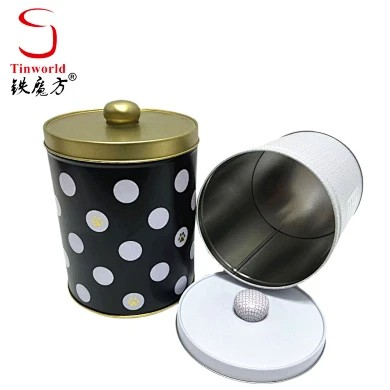
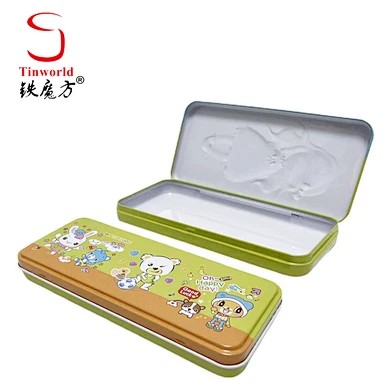
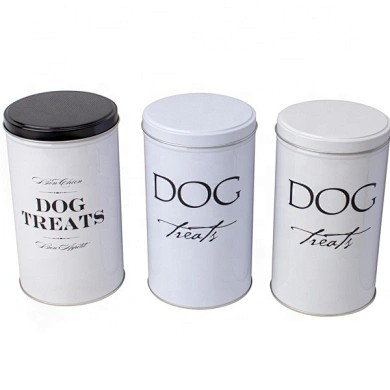
Offset printing is a mature printing technology that is commonly used for large-scale printing of metal cans. Its characteristic is that the printing and non-printing areas are on the same plane. During printing, ink is transferred indirectly to the surface of the metal can through a rubber blanket cylinder, achieving the printing of patterns and texts. This method is suitable for high-quality printing requirements, ensuring the clarity of patterns and the brightness of colors.
2. Letterpress Printing
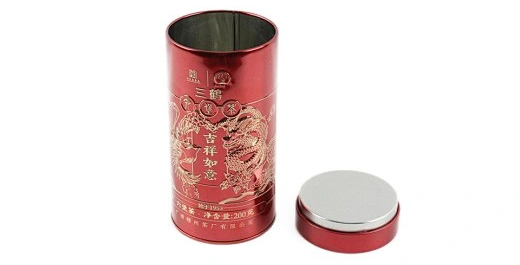
Letterpress printing is a traditional printing technique where the graphic areas on the printing plate are raised above the non-graphic areas. During printing, ink is transferred only to the raised graphic areas, forming raised patterns and texts. In the printing of tinplate cans, letterpress printing can create a profound sense of three-dimensionality by adjusting the pressure, suitable for showcasing the original texture of tinplate or minimalist styles.
3. Screen Printing
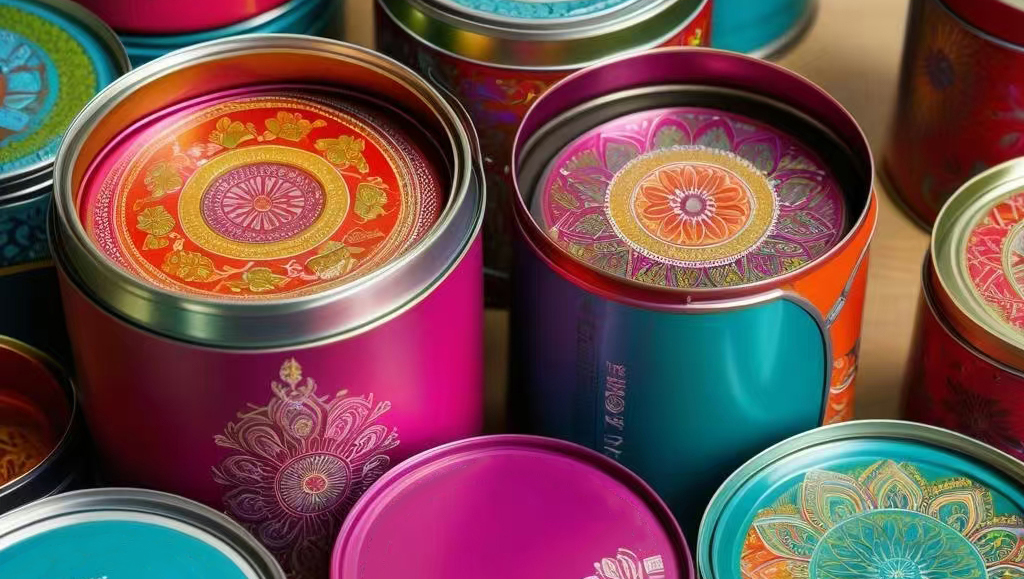
Screen printing is a highly flexible printing method suitable for special printing requirements such as curved and floating surfaces on metal can packaging. Its principle involves hollowing out the printing areas to allow ink to pass through the mesh holes and transfer onto the surface of the metal can. Screen printing is characterized by thick ink layers, strong three-dimensional effects, and rich textures, significantly enhancing the visual and tactile experience of metal can packaging. For example, applying screen printing to tea cans and wine boxes can give them an artistic touch and texture.
4. Hot Stamping
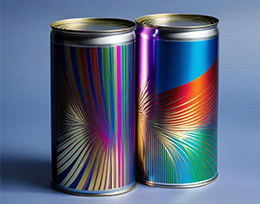
Hot stamping is a post-printing processing technique that involves applying high temperature and pressure to transfer metal foil or pigment onto the surface of the metal can, creating shiny and three-dimensional patterns and texts. Hot stamping not only enhances the decorative effect of metal can packaging but also increases the product's added value and anti-counterfeiting properties. For instance, using hot stamping on high-value products such as milk powder cans and personal care products can highlight the design theme and add a finishing touch.
Dong Guan Shenglian Tins Products Co, Ltd was established in 2000, is a specialized tin products manufacturer, with 24 years of professional can making experience. Our company is proficient in these four printing methods on the market.
History and advantages of tin cans
The development of China's metal can manufacturing industry in the past 20 years
Related Article
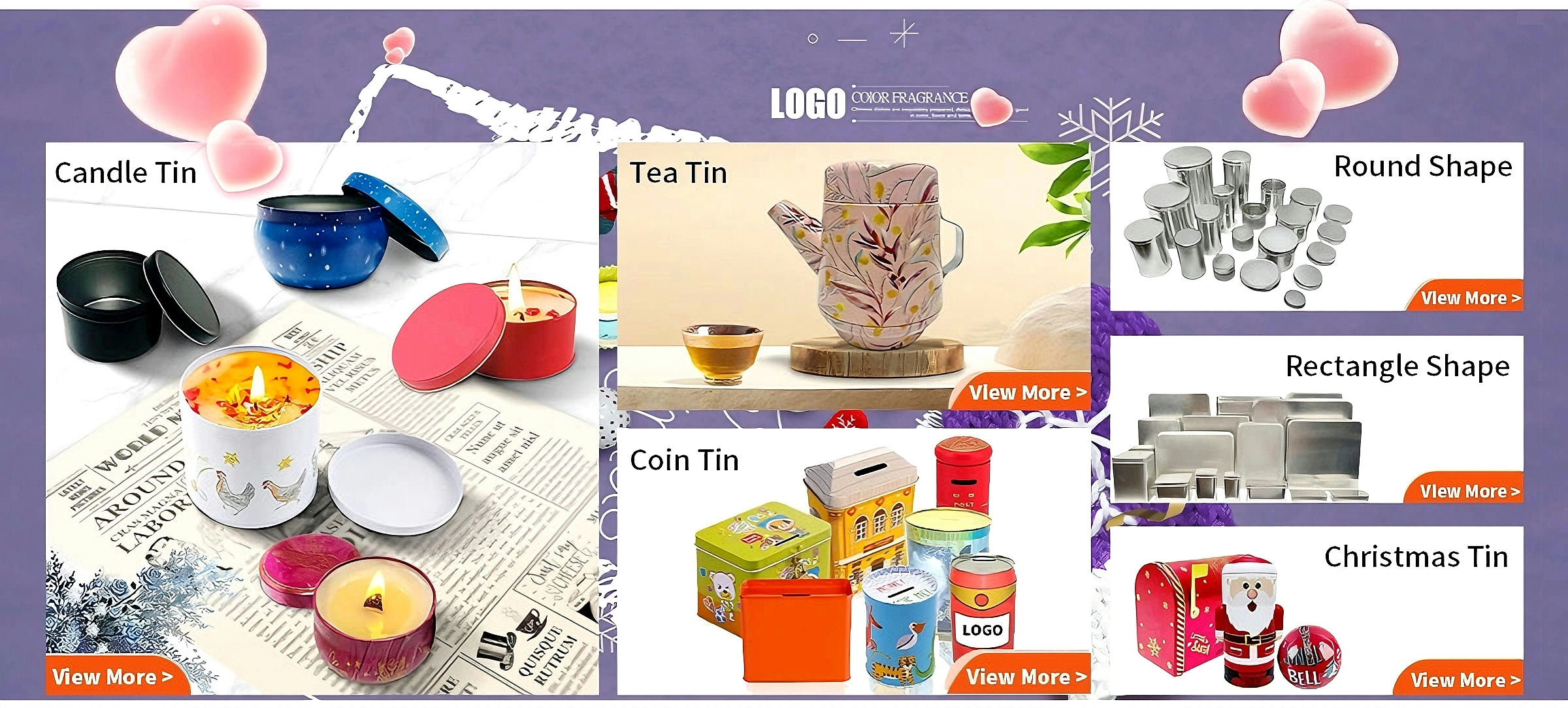
Tin metal is a popular choice for storage containers, decorative pieces, and vintage collectibles—think tin boxes for cookies, metal tins for candles. While tin is durable and resistant to rust, it can still accumulate dirt, tarnish. The good news is cleaning and your beloved tin boxes/metal tins is simple with gentle supplies you likely already have at home. Below is a clear, step-by-step guide to restore your tin items to their shiny best.
how to clean tin metal

In a world where we grab canned cookie, beans, and candy from supermarket shelves without a second thought, it’s easy to take the convenience of tin cans for granted. But have you ever wondered when this revolutionary food preservation method first began? Let’s dive into the history of tin cans and explore how they transformed the way we store and consume food.
when was food put into tin cans
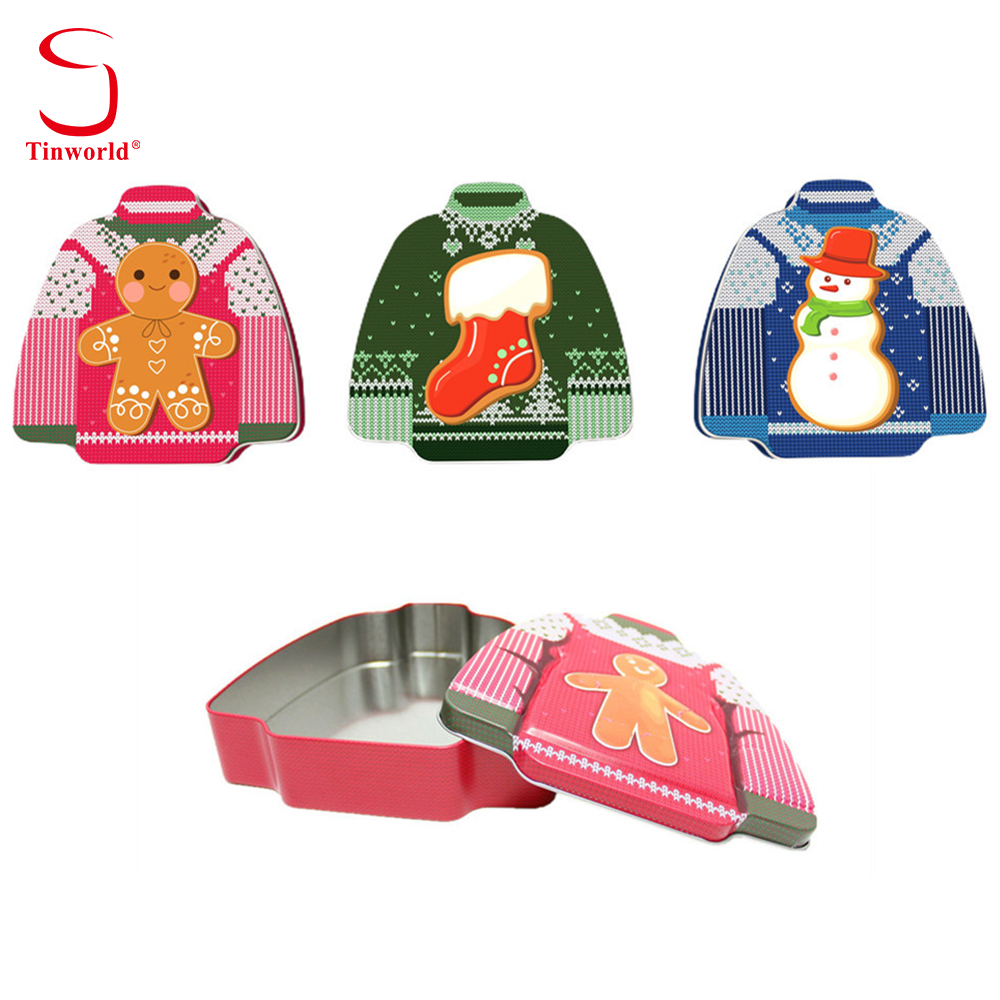
Whether you’re gifting homemade cookies for a holiday, birthday, or just to spread some joy, a beautifully wrapped cookie tin adds a special touch to your thoughtful gesture. In this guide, we’ll walk you through everything you need to know to achieve a polished, professional look.
how to wrap a cookie tin
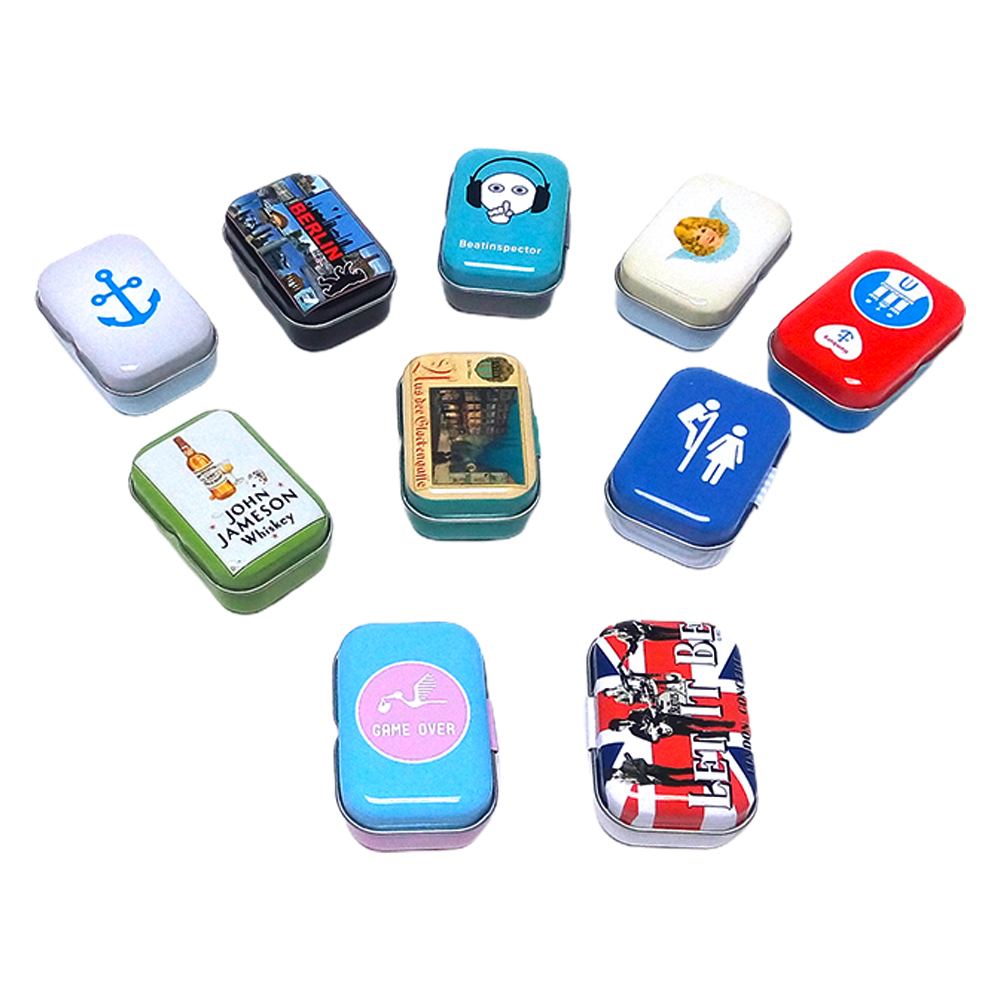
In our daily lives, tin cans are ubiquitous—holding everything from canned coffee bean and tea, and even some food. As environmental awareness grows, many of us wonder: is this common packaging material recyclable? The short answer is yes, tin cans are highly recyclable, and their recycling process offers significant environmental and practical benefits. Let’s dive deeper into the world of tin can recycling, exploring why it matters, how it works, and the advantages of this versatile packaging.
is tin can recyclable